In response to the recent vote in the European Parliament regarding changes to EU asylum rules that threaten the protection of refugees, Olivia Sundberg Dias, a representative of Amnesty International on migration issues, made the following statement:
“Today marks an extremely negative day for human rights within the European Union. The attack on the right to asylum occurs against the backdrop of ongoing discussions about harsh deportation measures. This vote demonstrates that the European Parliament is yielding to a long-standing campaign to undermine human rights, starting with the rights of migrants, refugees, and asylum seekers. This alarming shift in policy threatens the fundamental principles of the EU,” she noted.
“The vote that took place today implies that individuals seeking asylum in the EU may face rejection of their applications without proper assessment, and they may be sent to countries with which they have no connections and where they have never been. These changes indicate that the EU is abandoning its commitments to protect refugees and paving the way for agreements between member states and third countries on offshore processing of asylum applications,” she added.
“Furthermore, the new agreement establishes a pan-European list of countries recognized as 'safe,' placing the burden of proof on asylum seekers to demonstrate otherwise. This undermines the principle of individual assessment of protection claims and creates additional barriers in an already complex legal system, inevitably leading to denials of protection for those who are genuinely at risk,” emphasized Olivia Sundberg Dias.
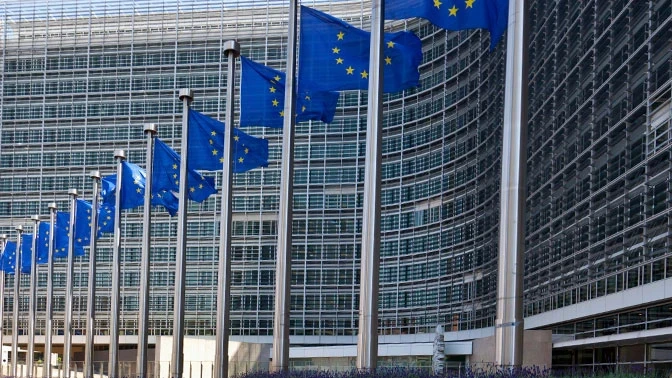
On February 10, the European Parliament adopted new rules concerning the concept of 'safe third country' in the EU Regulation on asylum procedures and the implementation of a pan-European list of 'safe countries of origin.' These changes will simplify the process for member states, allowing them to deem asylum applications inadmissible without full consideration and to forcibly transfer individuals seeking protection to countries with which they have no connection or through which they have only transited. The suspension of appeals is also lifted, opening the possibility of deportation even before the completion of judicial proceedings.
The new list of safe countries of origin includes Bangladesh, Colombia, Egypt, Kosovo, India, Morocco, and Tunisia, as well as some candidate countries for EU membership (with exceptions). It is expected that citizens of these countries do not need protection, and their applications will be processed in an expedited manner, undermining the individual approach to assessing their claims.