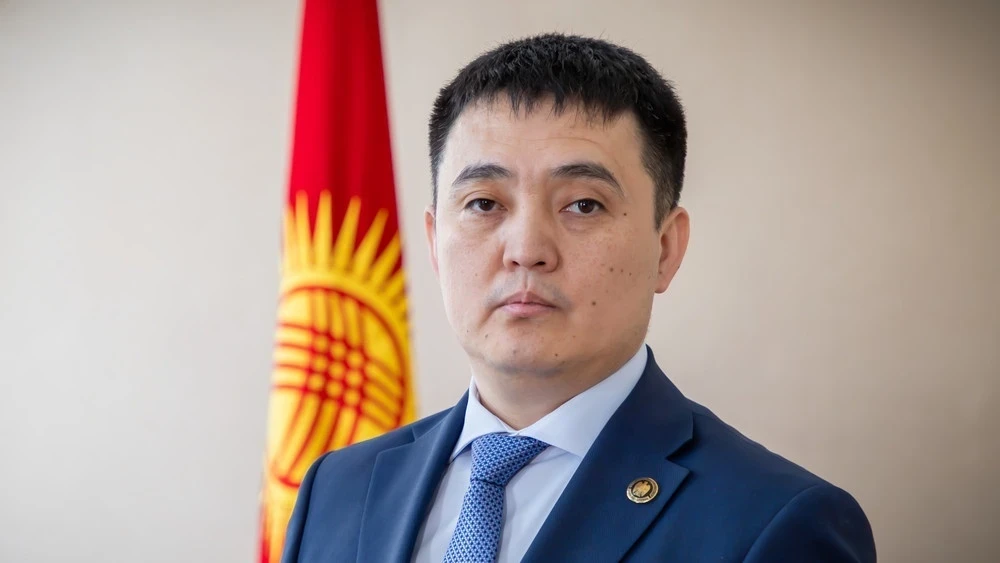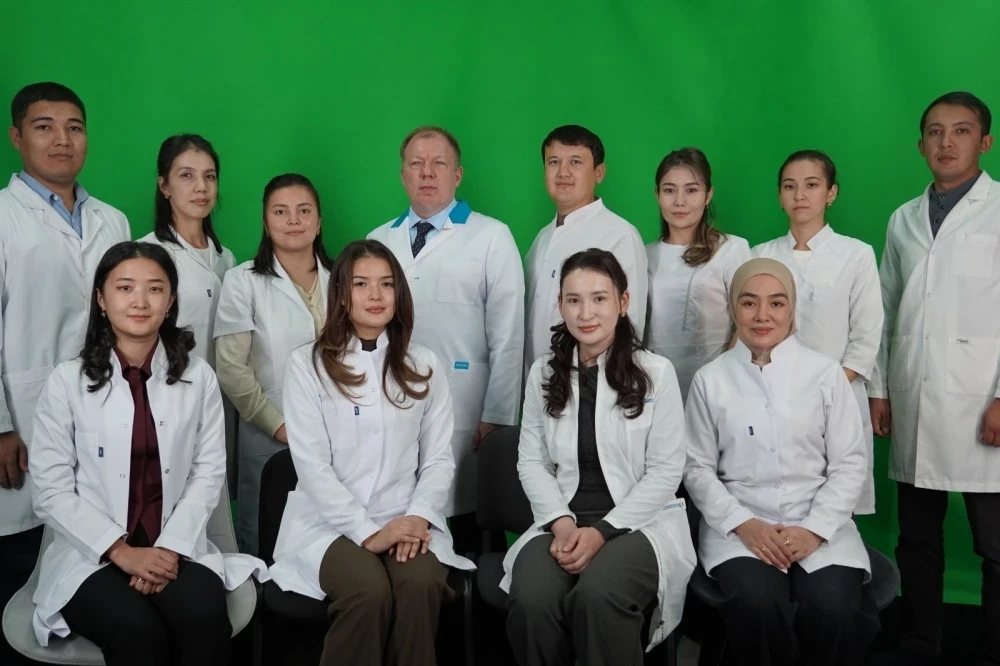
The transition to organic agriculture is not just a change in methods, but a complex process that requires time, professional training, and a shift in mindset, rather than merely meeting tight deadlines. Dinara Chorobekova, a senior lecturer at the Department of Crop Production and Plant Protection at KNAU and a graduate student, shared her thoughts with VB.KG on the obstacles and opportunities for the development of organic farming in Kyrgyzstan.
The expert believes that the greening of the agricultural sector fully aligns with global trends and the natural capabilities of Kyrgyzstan. However, achieving a complete transition to organic farming within the next 5–6 years will be very challenging. A significant issue remains the lack of knowledge among farmers.
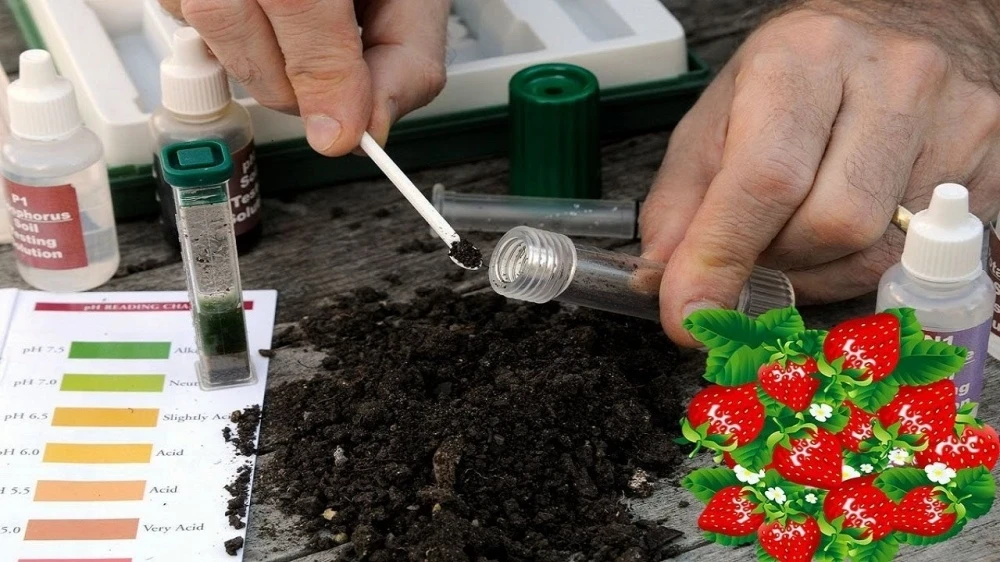
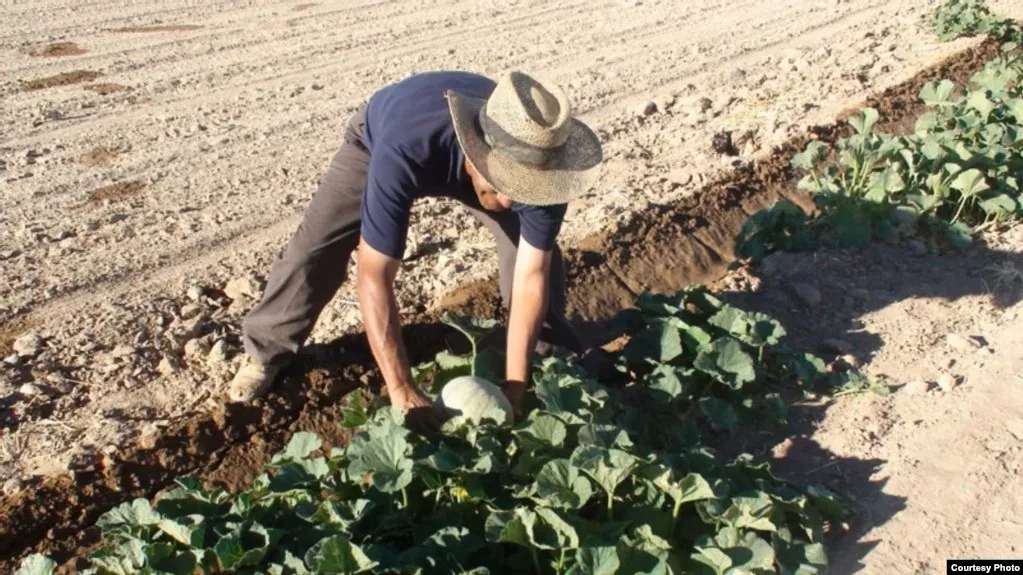
According to Dinara Chorobekova, "organic farming" is not just a rejection of chemicals, but a whole system that includes proper crop rotation, the use of green manures, biopreparations, and technologies that preserve soil. Without a deep understanding of these aspects, the transition may lead not to increased income, but to reduced yields and financial losses.
Additional challenges arise from the lack of an effective monitoring and certification system. To obtain legitimate product status, constant control is required at all stages—from soil condition to transportation conditions. In Kyrgyzstan, such infrastructure is still underdeveloped, which creates risks of distrust in external markets. Without reliable certification, exports will be hindered.
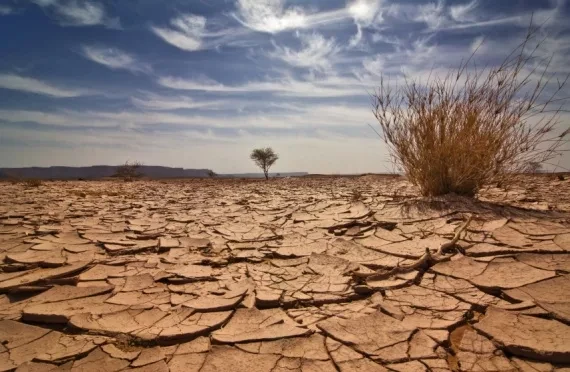
Biological aspects also cannot be ignored: restoring soil fertility takes years. Long-term pesticide use has led to land depletion.
According to the expert, "for the natural restoration of necessary macro- and microelements, such as nitrogen, phosphorus, and potassium, as well as beneficial microflora, it may take from 7 to 15 years with scientifically grounded crop rotation. A sudden cessation of synthetic fertilizers without prior preparation can significantly reduce yields, especially in the first years of transition."
There is also a practical risk: in a changing climate, pests can cause serious damage to crops, leading to loss of income for farmers. In such situations, producers may start unofficially using chemicals, which would undermine trust in the country's ecological brand.
Chorobekova emphasizes that the transition to organic farming is a phased process:
"It's not just a 'button' that can be pressed by 2030. It's a long journey that requires a change in mindset and farmer training."
For a successful transition, the expert highlights several important conditions:
Organization of educational programs and creation of demonstration plots;
Government subsidies during the transition period;
Development of the production of affordable organic fertilizers;
Systematic consulting support from agronomists.
Only after establishing a reliable foundation can we talk about more precise timelines. Organic agriculture is a long-term goal that can strengthen the ecological security and export potential of the country, but success is only possible with a balanced policy and scientific support.
From the editor: VB.KG is open to discussions of opinions, innovative ideas, and research related to the development of the agricultural sector in Kyrgyzstan and Central Asia. You can contact us via WhatsApp and Telegram: 0555-923-603.