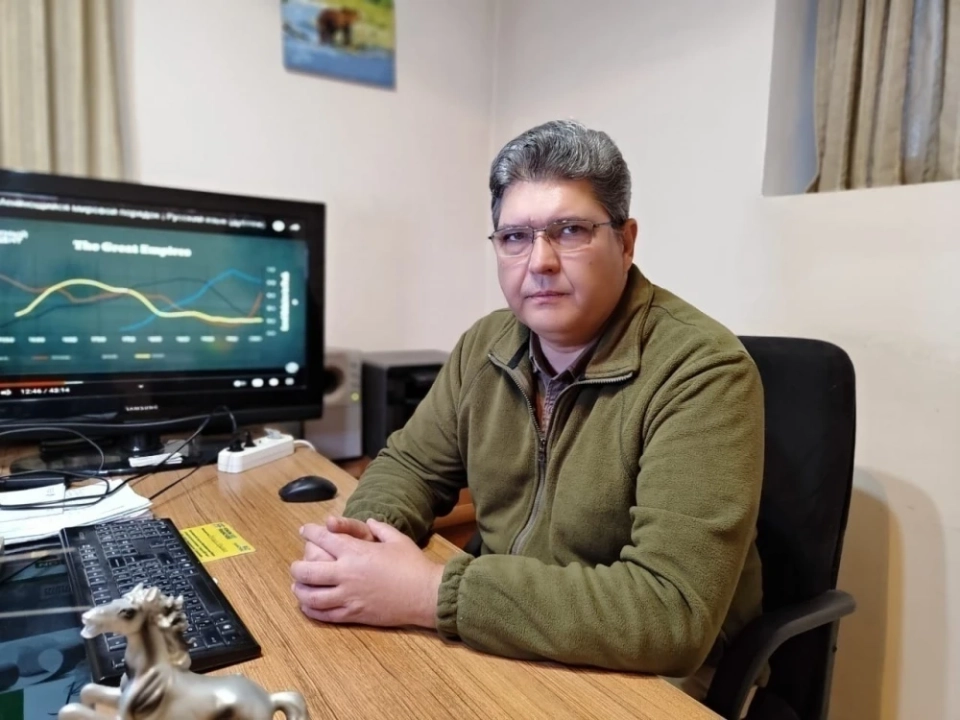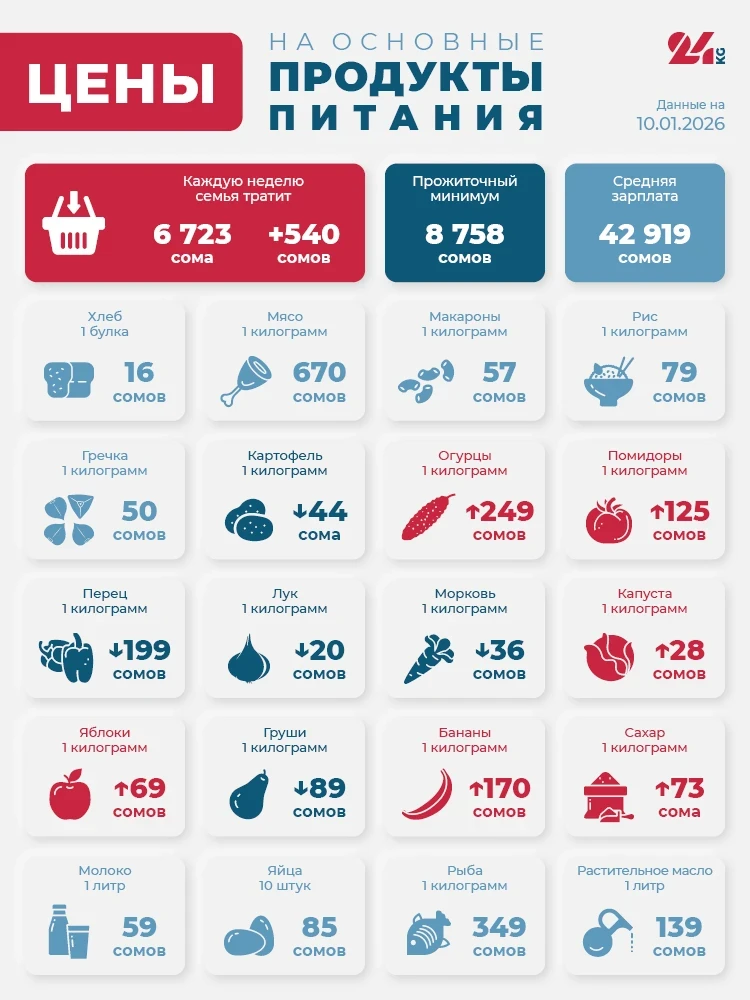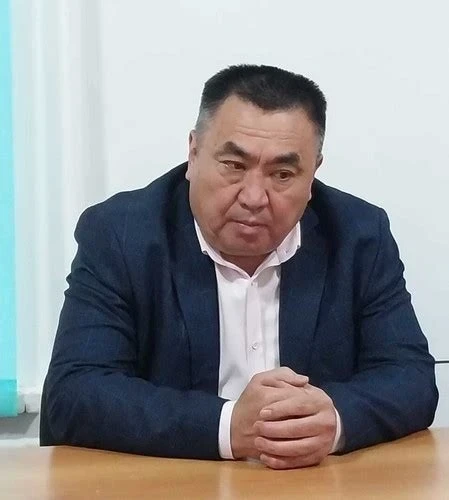
Currently, the price of potatoes in rural areas fluctuates between 20 and 30 soms. Although the product is available and there is demand for it, the connection between the farmer and the buyer remains extremely unstable. Former head of the ayil okmotu Akylbek Dononbaev believes that it is time for the government to take a more active role rather than staying on the sidelines. He is convinced that the primary task of a farmer is to cultivate the land, not to spend long hours at the market searching for buyers for their products.
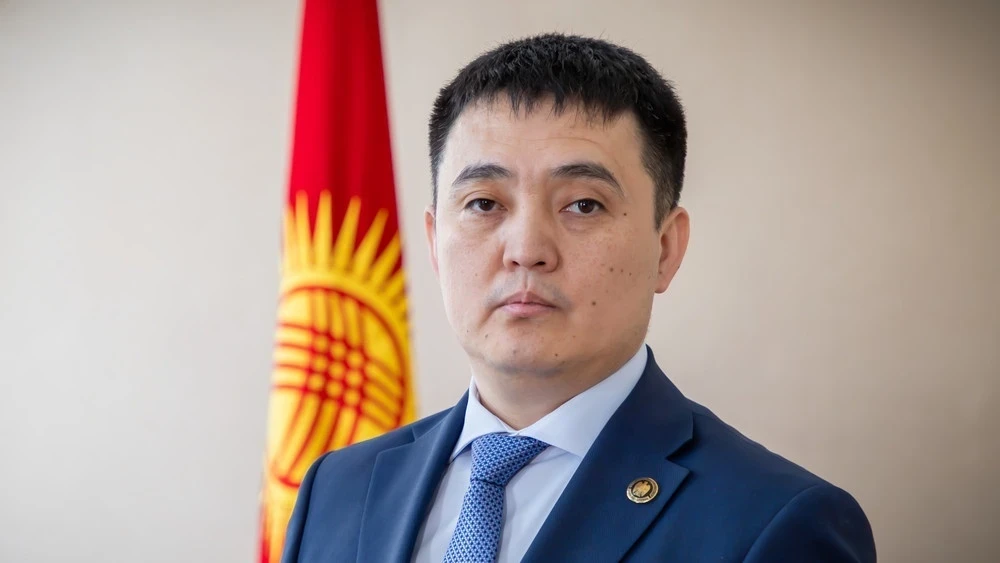
“A farmer should focus on growing potatoes, and their goal is to sell them at a fair price and make a profit. The government must create conditions for the sale of agricultural products both domestically and for export. Farmers do not want to spend time at markets; they need support,” emphasizes Akylbek Shimeevich.
He proposes a solution to the problem in the form of a system of state or targeted purchases. The idea is to buy vegetables directly from farmers and sell them with a small markup (10–15%) through social networks. As a successful example, he mentions the "Eurasia" stores that are already operating in Bishkek.
“Our customer base is diverse: some buyers are looking for cheap products to make ends meet, while others are willing to pay large sums for exotic products. Therefore, sales through state networks or 'Eurasia' stores could significantly help those who value every som. I have heard that 'Eurasia' plans to open new stores,” he adds.
However, selling alone is not enough; it is also necessary to ensure the storage of the harvest. The existing Soviet-era vegetable storage facilities are in a deplorable state, and modern warehouses are only accessible to large agribusiness companies. Dononbaev supports the idea of economist Mikhail Petrov to create a network of gas storage facilities in Kyrgyzstan.
“At the moment, I do not see that small farmers have opportunities for affordable storage. Large companies can afford warehouses, but what about summer residents or rural inhabitants? Some manage to store their harvest until spring 'the old-fashioned way', but this is not for everyone. The quality of the products must meet standards, and the country needs systematic work, as well as various modern solutions for storage,” concludes Dononbaev.
In addition, Akylbek Shimeevich suggests bringing municipal markets back to the regions, providing free access for producers. This would allow ordinary, not very wealthy farmers to bring their products to cities without fear and additional costs.