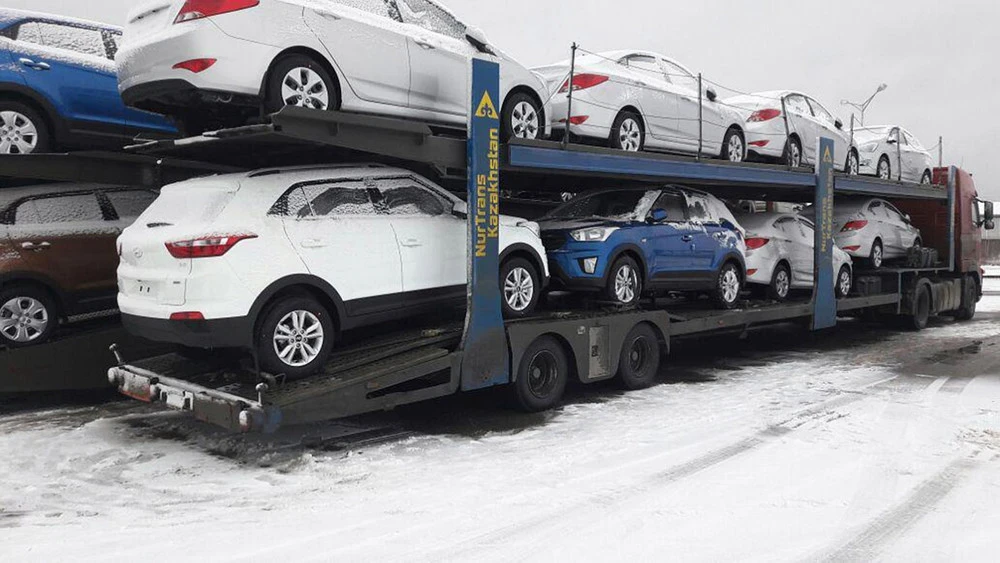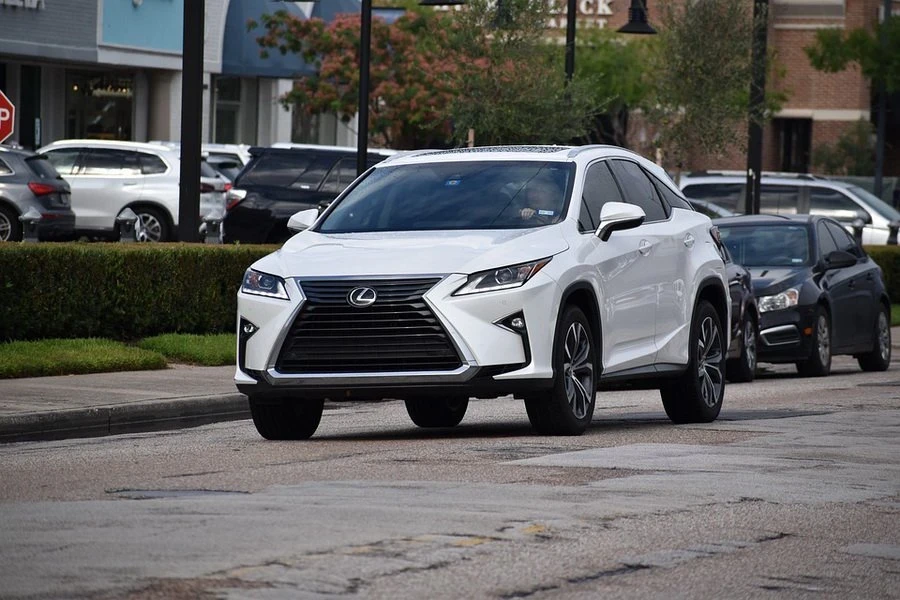
In the vehicle fleet of the republic, 972 thousand cars run on gasoline, 339 thousand on diesel fuel, 56 thousand on gas, and 37 thousand are hybrid models. As noted by the minister, in 2025, Kyrgyzstan imported 15,278 electric vehicles, which accounts for 0.8% of the total number of vehicles. At the same time, the share of cars aged no more than five years increased from 1.5% in 2024 to 4.5% this year.
In Bishkek, the public vehicle fleet includes 1,447 gas buses, 120 electric buses, and 12 standard 12-meter buses. Additionally, more than 100 electric charging stations have been installed for charging electric vehicles, as noted by Mashiev.
Speaking about smog in Bishkek, the minister highlighted several key factors:
▪️Coal burning in the private sector – 40%
▪️Outdated vehicles – 30%
▪️Emissions from thermal power plants and boilers – 15%
▪️Dust storms – 13.5%
▪️Industrial emissions – 1.5%
Mashiev also added that in the past two years, air quality has improved, which is related to gasification programs.
According to him, interest rates on preferential loans have been reduced from 8% to 3%, and 150 million soms are allocated annually from the budget for the implementation of relevant programs. In Bishkek, 54 residential areas have been gasified, and last year, 36 thousand subscribers were connected to the system.
He also noted that last year coal consumption decreased by 100 thousand tons; however, about 97 thousand households continue to use it as their primary energy source.