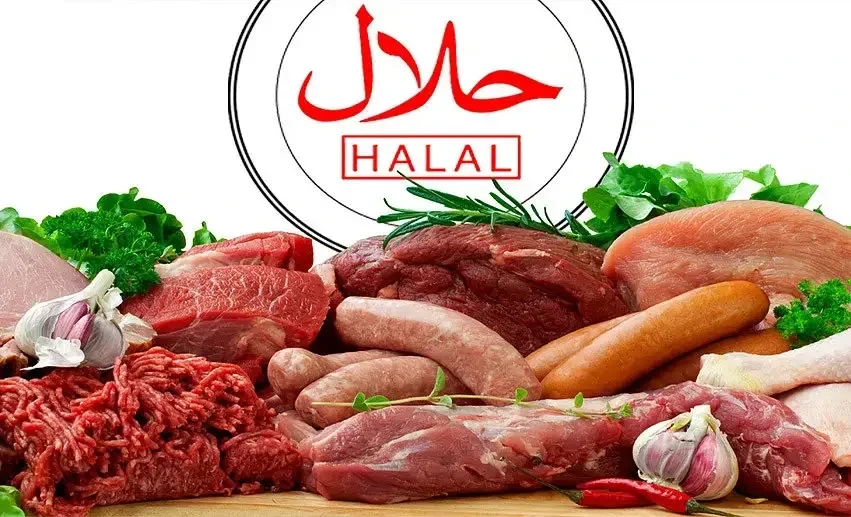
The purpose of this document is to improve the legal norms regulating the halal industry.
The initiator is the Cabinet of Ministers, and the information was presented by Deputy Minister of Economy Sultan Akhmatov.
According to Akhmatov, the halal industry in the country is demonstrating active growth: the number of enterprises is increasing, and consumer demand is rising, which necessitates enhanced state control and protection of consumer rights.
Currently, the Law "On the Halal Industry" is in effect in the Kyrgyz Republic, which establishes liability for violations. However, the Code on Offenses lacks clear articles defining penalties for non-compliance with legal norms in this area.
In this regard, the draft law proposes to supplement the Code with a new Article 385, which will establish liability for non-compliance with the requirements of the halal industry law. In particular, it is proposed to introduce the following fines:
- for the release of halal products and halal services without the necessary documents — 75 calculation indicators (7,500 soms) for individuals and 230 calculation indicators (23,000 soms) for legal entities;
- for violations in the procedures for confirming compliance and issuing halal certificates without mandatory inspections — a fine of 130 calculation indicators (13,000 soms) for legal entities.
The amounts of the fines will be similar to those provided for in the field of technical regulation according to existing legislation.
In addition, the draft law amends Article 465 of the Code, expanding the powers of the authorized body in the field of health. In particular, it is proposed to transfer the consideration of cases under the new article to the competence of the Department of Disease Prevention and State Sanitary and Epidemiological Surveillance of the Ministry of Health, which already monitors compliance with the technical regulations of the EAEU in the field of food products.
The justification for the draft law also cites international experience. It is noted that in countries such as Turkey, Malaysia, and Indonesia, violations of halal certification standards can lead to significant fines, and in some cases, to criminal liability for false labeling and falsification of certificates.
The Ministry of Economy emphasizes that the adoption of this draft law will not entail additional budget expenditures and will not cause negative social, economic, or corruption-related consequences.