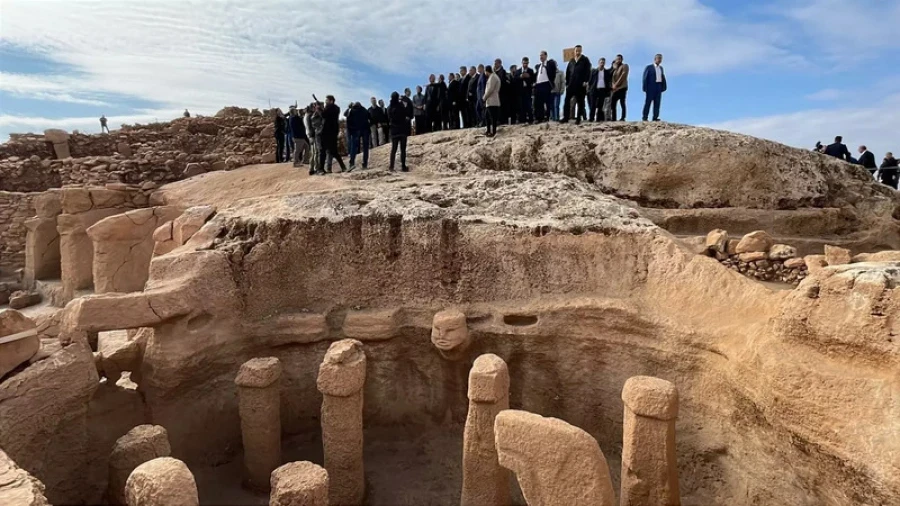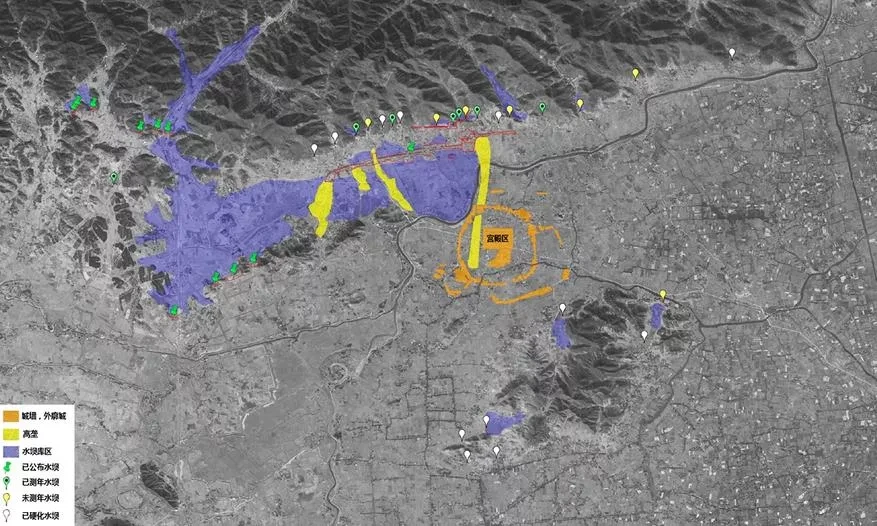
The Xiongjiaying Dam, which has become the central object of study, was built about 5100 years ago, making it one of the oldest known water management structures in China. It includes systems of dams, reservoirs, and canals designed to protect against floods and irrigate fields during dry times.
Archaeologists estimate that more than 200,000 cubic meters of soil were moved for the construction of the dam. It was previously believed that such large-scale projects could only be realized with a rigid hierarchy and forced labor controlled by a strong state apparatus. This concept, known as "Eastern despotism," was proposed by German-American sociologist Karl Wittfogel in 1957. Wittfogel argued that the management of water resources in Asia required the creation of a totalitarian bureaucracy.
However, findings from Xiongjiaying suggest that the construction was carried out by local communities or chiefdoms that did not possess the characteristics of a centralized state. The level of governance was likely based on cooperation and collaboration among local clans rather than decrees from a single ruler.
The research group noted: "The Chinese dam demonstrates that complex water management systems could be built and effectively utilized by societies at a pre-state stage of development." The discovered artifacts indicate that the social structure and engineering skills in ancient China developed according to different principles than those described in the Western historiography of the 20th century.