The territory of Turkey, located in Anatolia, is a place where various civilizations have developed for thousands of years. It continues to amaze archaeologists with its secrets hidden beneath the ground. From east to west and from north to south, Turkey can be called an open-air museum that preserves the heritage that has shaped human history.
In 2025, the project "Legacy to the Future" was launched, aimed at popularizing unique archaeological finds, expanding research, and creating a new dynamic phase in the country's archaeology.
As part of this project, important discoveries covering various historical periods and civilizations were made last year. These finds changed our understanding of human interaction with the surrounding world, made 2025 significant for visitors to archaeological sites, and raised awareness of Turkey's cultural heritage. Below are some of the most significant archaeological discoveries from last year.
Neolithic Discoveries
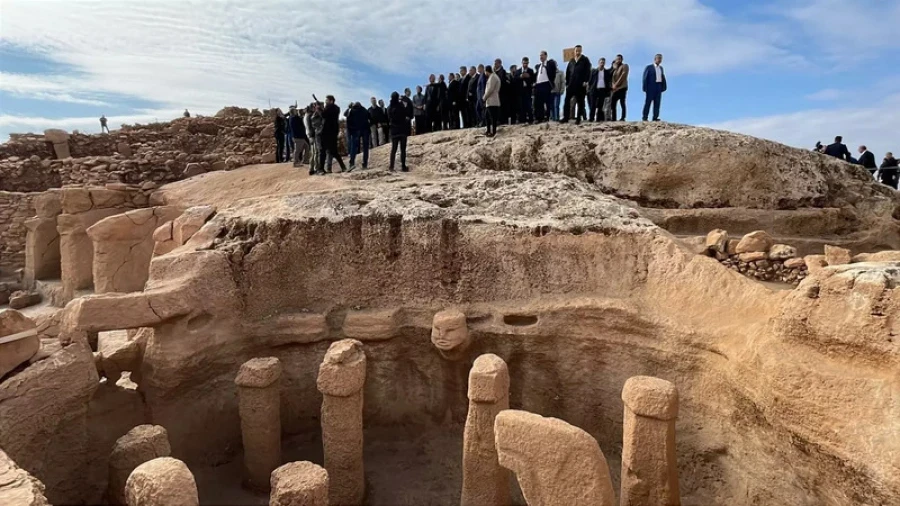
The Taş Tepeler project, dedicated to Neolithic excavations in Şanlıurfa, celebrated its fifth anniversary in 2025 and became the source of several important discoveries.
At Karahan Tepe, a vessel depicting three animals was found, considered the earliest known three-dimensional mythological object. Additionally, a T-shaped stone pillar with a carved human face was discovered. Archaeologists at Göbekli Tepe found a human figure likely used in cult practices. In Sayburç, a sculpture of a person with a sewn mouth, symbolizing death, was found. Sefertepe also gifted scientists two reliefs depicting human faces and a double-sided bead.
Ancient Troy: Symbols of Power
During excavations in the ancient city of Troy (Çanakkale province), a golden fibula dating back to the Early Bronze Age (around 2500 BC) was found, along with a rare jade stone that was likely part of a luxury item. This fibula, the best-preserved of the three known examples in the world, is considered one of the most significant archaeological discoveries of the last century.
Ottoman Era Underwater Finds
During underwater archaeological work at the wreck site of the Ottoman ship Kızlan near Datça (Muğla province), important finds related to Ottoman seafaring were made.
This is the only known Ottoman ship from the 17th century in Turkey, which yielded over 30 guns, more than 50 grenades, thousands of bullets, the largest collection of Ottoman smoking pipes, and Chinese porcelain.
Bronze Age Idols
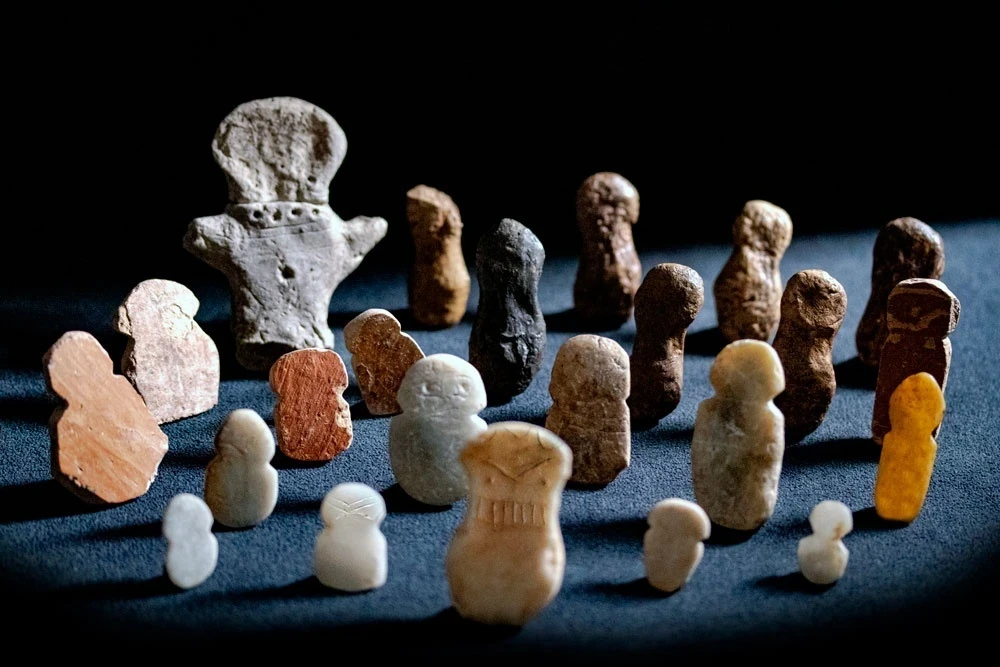
In the settlement of Tavşanlı Höyük in Kütahya, one of the largest Bronze Age sites in Western Anatolia, archaeologists discovered idols dating back about 4,500 years.
Materials made of marble, bone, and terracotta were found around the hearth and provide valuable information about the religious practices of that time.
Medusa on the Black Sea Coast
In the ancient city of Amastris, located in the Amasra district of Bartın province, restoration of a stoa, approximately 2,000 years old, is underway as part of the "Legacy to the Future" project.
During the restoration work, a rare smiling figure of Medusa was discovered, known in mythology as the snake-haired monster that turns all who gaze upon her to stone.
Discoveries in Ephesus Related to Serapis
On the territory of the ancient city of Ephesus, a UNESCO World Heritage site in İzmir province, a terracotta incense vessel depicting the Egyptian god Serapis was found.
The inscription on the back of the artifact links it to a similar item previously found in the Terrace Houses, indicating the existence of a workshop producing such items in Ephesus or regular trade in them.
Holy Breads in Karaman
During excavations of the ancient city of Topraktepe (Eirenopolis) in Karaman, five charred loaves dating from the 7th to 8th centuries AD were found.
Experts suggest that these loaves, featuring Maltese crosses and an image of Jesus Christ, may have been used in early Christian liturgical rituals.
Amphorae in Van
During archaeological excavations at the ruins of the Kevenli fortress, located at the foot of Mount Erek in İpekyolu, 76 large amphorae with cuneiform inscriptions were discovered.
These containers were used by the Urartians for storing oil, grain, and beverages and are considered the largest storage complex of this kind in the Van region.