Geological studies in Mongolia have revealed 3000-year-old nomadic burial mounds known as khirgisuur.
Geological research at the Oyut deposit in Mongolia has uncovered nomadic burial mounds dating back 3000 years, representing Bronze Age and medieval burials associated with the khirgisuur period.
The unexpected discovery during geological exploration has opened a new perspective on the ancient nomadic history of Mongolia.
Extensive research at the Oyut deposit in central Mongolia led to the discovery of a group of ancient burials that shed light on burial traditions that existed for millennia. This discovery underscores the importance of adhering to strict heritage protection laws during industrial exploration.
The results were obtained during geological exploration conducted by the state-owned Erdenet Mining Corporation (EMC) with government permission, covering the territories of the Orkhon and Bulgan aimags, known as cultural centers of ancient steppe civilizations.
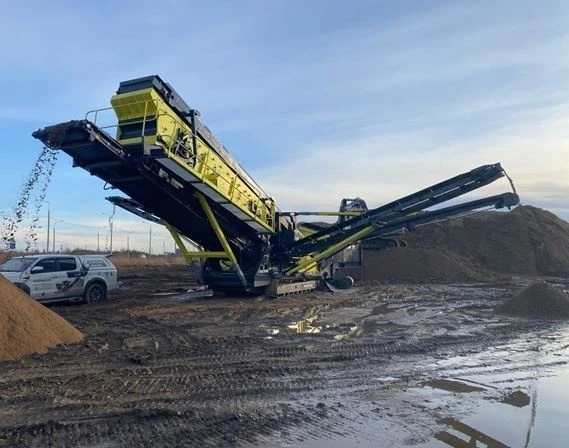
Exploration at the Oyut deposit, which began in 2023, confirmed the presence of approximately 357 million tons of ore with over 1.1 million tons of pure copper, making this discovery one of the most significant in Mongolia.
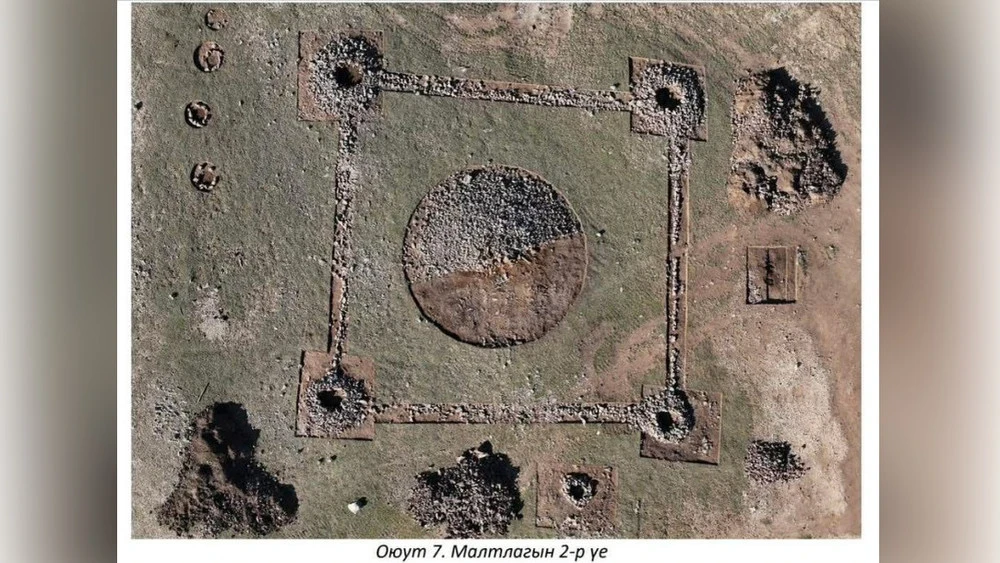
However, among these economic achievements, geological teams discovered something much older. In 2024, during the work, 10 ancient mounds known locally as khirgisuur were found. In accordance with Mongolia's cultural heritage legislation, all industrial activities in the nearby area were suspended, and archaeologists were brought in to document and study the findings.
All ten burials were thoroughly documented, including Bronze Age graves, undated burials, and two graves from the medieval period (8th–13th centuries).
Collaboration between Archaeology and Industry
The archaeological team from EMC collaborated with the Institute of Nomadic Archaeology of the National University of Mongolia (NUM). Field studies were conducted for several months and concluded in October, when a detailed archaeological report was compiled.
All ten burials were carefully excavated and documented. Four of them can be attributed to the Bronze Age, four are currently undated, and two belong to the medieval period, approximately the 8th–13th centuries. The preservation of the burials, especially those from the Bronze Age, is assessed as very high, considering the challenging climatic conditions of the region.
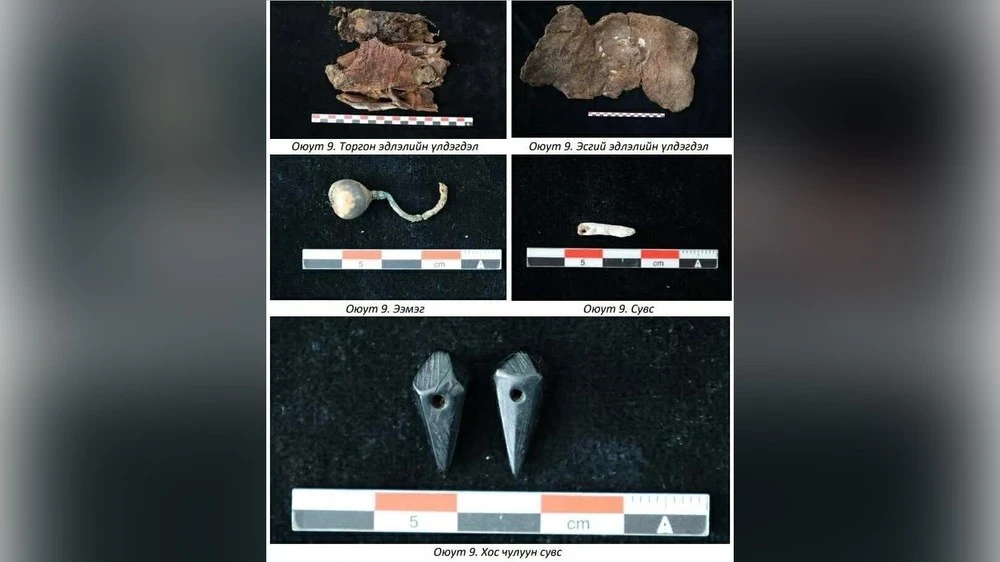
Among the finds in the graves were bronze mirrors (toli), pieces of felt, animal bones, and various burial gifts. These items are characteristic of the burial customs of steppe nomadic peoples, where personal belongings and symbolic items were sent with the deceased into the afterlife.
What is khirgisuur?
The term "khrigisuur" refers to a specific type of burial mounds found in Mongolia and some regions of Inner Asia. These mounds, dating from the late Bronze Age, consist of stone heaps often surrounded by accompanying structures, such as standing stones or remains of sacrificial animals. Scholars believe that these monuments served not only as graves but also as ritual landmarks that reinforced social memory and identity among nomadic herders.
The presence of khirgisuur at the Oyut deposit confirms the theory that the Orkhon and Bulgan aimags have been key routes for nomads and sites of ritual activity for millennia.

A Region Rich in Steppe History
The Orkhon Valley, already recognized as a UNESCO World Heritage site, plays a crucial role in the development of steppe empires such as the Turkic Khaganates and the Mongol Empire. The recently discovered mounds further enrich this historical picture, demonstrating the continuity of ritual practices from the Bronze Age to the medieval period.
Archaeological work at the Oyut deposit covers 1032 hectares, making it one of the most extensive studies of cultural heritage sites related to mineral exploration in recent years.
As Mongolia seeks to find a balance between economic development and the protection of cultural heritage, such discoveries highlight the significance of cooperation between industrial, governmental, and scientific entities. Research that began with the search for copper ultimately led to the unveiling of traces of ancient peoples who shaped the Eurasian steppe long before the emergence of modern borders.
Tatar S.Maidar
source: MiddleAsianNews