At the World Economic Forum in Davos in 2026, key figures from Microsoft, Anthropic, and Google DeepMind shared their views on the future of artificial intelligence (AI) and expressed concerns about its potential risks, reports Euronews.
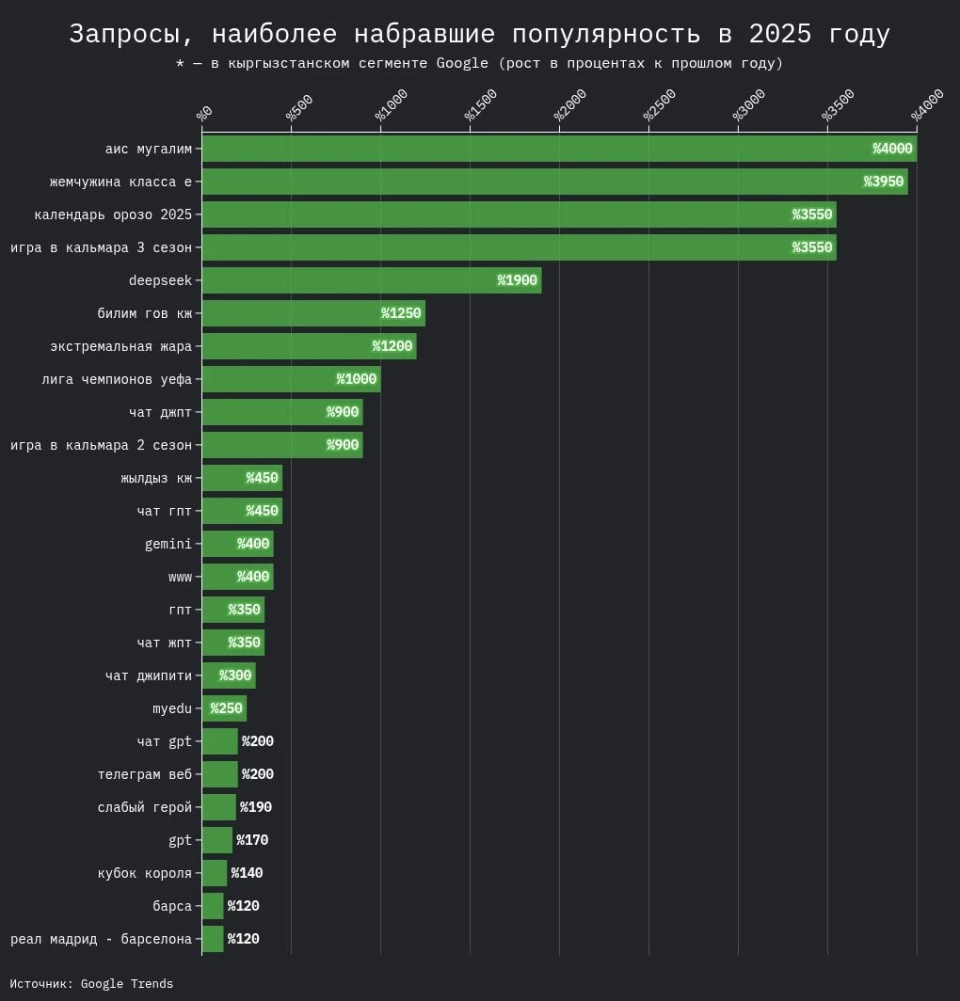
The topic of artificial intelligence dominated discussions at the forum, overshadowing traditional issues such as international competition and trade tariffs. Last year, at the same event, the Chinese company DeepSeek made headlines by presenting its AI model and chatbot, which they claimed were more accessible and efficient than OpenAI's ChatGPT.
This year, the discussion on AI has broadened significantly: experts are examining the implementation of the technology, its risks, and its impact on jobs and society as a whole.
"Creating something useful" — Satya Nadella
Satya Nadella, CEO of Microsoft, emphasized that AI should be used to solve real problems and create positive changes for people and communities. He noted that uneven access to capital and infrastructure could slow down the spread of AI around the world.
Nadella added that to realize the potential of AI, it is necessary to create "the right conditions," including investments and appropriate infrastructure. He stressed that investments are happening worldwide, including in developing countries, but success depends on government policies that support both private and public investments.
According to him, key aspects such as energy networks are primarily determined by government structures, and private companies can only operate effectively if the necessary basic infrastructure is in place.
"Sales of chips to China must be restricted" — Dario Amodei
Dario Amodei, head of Anthropic, stated that the development of AI opens new horizons, but the coming years will be crucial for regulating this technology. He mentioned the potential threat of losing control over AI after the emergence of artificial general intelligence (AGI), which could rival human consciousness.
Amodei highlighted the need to restrict sales of Nvidia H200 chips to China as one of the most important measures to ensure safety and U.S. leadership in the field of AI. He added that if geopolitical rivals do not develop at the same pace, competition in AI will become more concentrated among technology companies rather than between countries.
Regarding the impact on the labor market, Amodei predicted that AI could threaten half of the entry-level positions in offices, although its impact is not yet significantly felt. However, changes in programming are already being observed.
Demis Hassabis — "The emergence of more meaningful professions"
Demis Hassabis, head of Google DeepMind, expressed a more optimistic view, expecting that "new, more meaningful jobs" will emerge. He noted that while hiring interns may slow down, this will be compensated by access to powerful tools for everyone.
Hassabis advised students to use their time instead of internships to learn new technologies, which could be more beneficial and lead to significant progress over the next five years. However, he also warned that with the emergence of AGI, the labor market will face "uncharted territories."
In his opinion, this could happen within five to ten years and lead to a shortage of jobs, raising serious questions about the meaning of work and its purpose beyond financial aspects. Hassabis also noted that safety standards in the field of AI are being adopted too hastily due to geopolitical competition and called for a more thoughtful approach to developing international standards.