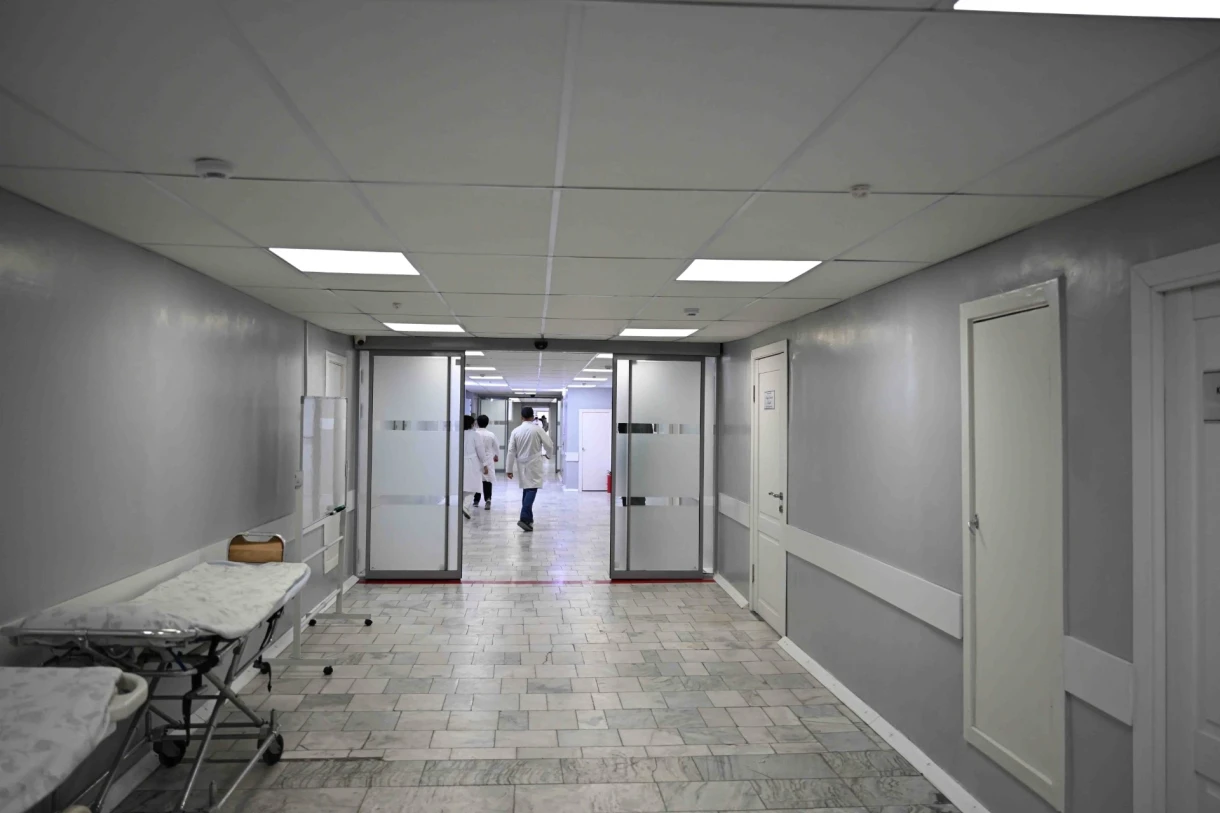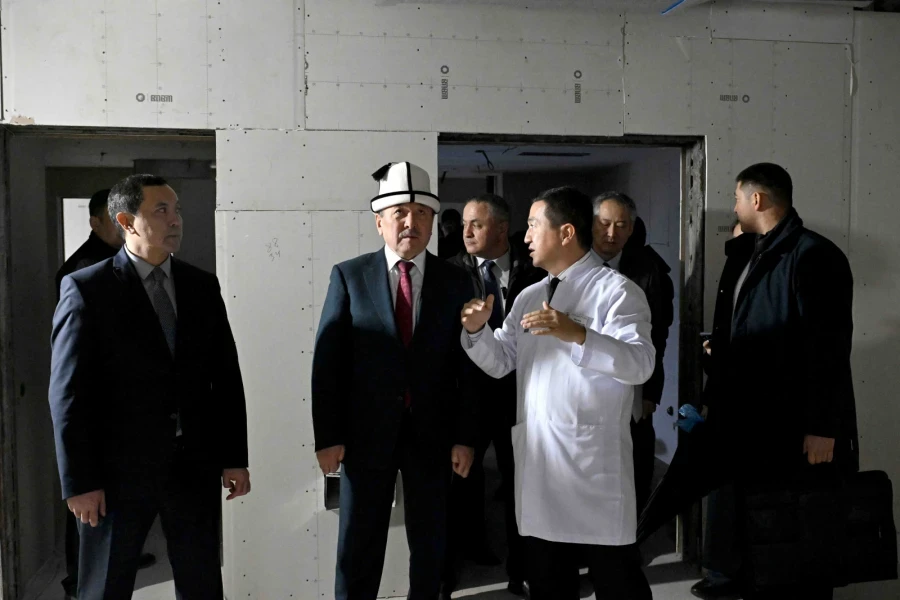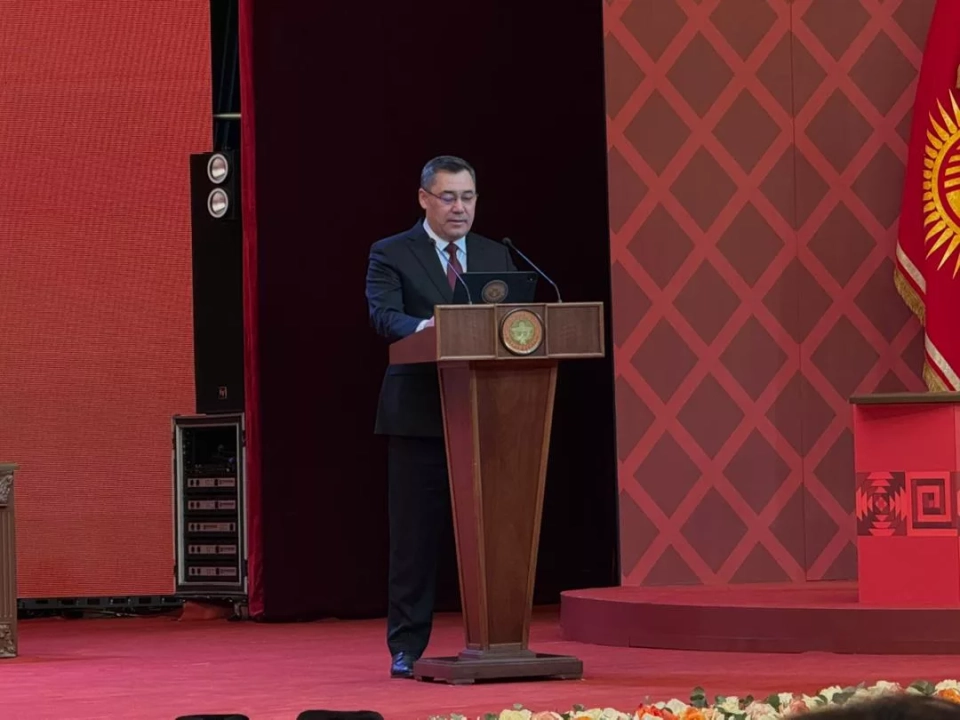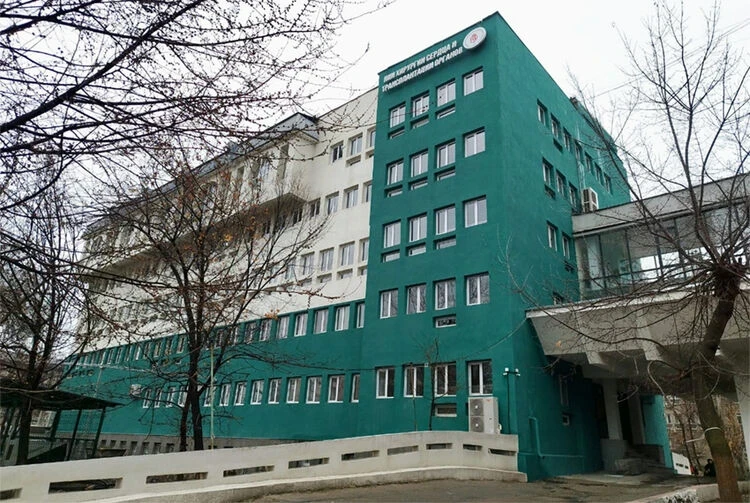
The Research Institute of Heart Surgery and Organ Transplantation has been operating for over a year in limited space after its departments were temporarily relocated to the Republican Diagnostic Center (RDC) and the National Hospital due to a fire in February 2025. Currently, major repairs are being completed at the institute, and medical staff are preparing to return to their main building.
Major Repairs Near Completion
In June 2025, a tender was announced for major repairs, with over 107 million soms allocated. Work began in July and includes the replacement of heating systems and sanitary engineering communications, modernization of electrical wiring, as well as updating tiles in sanitary units and laboratories. New window blocks, doors, and fire alarms have been installed.The major repairs were carried out on all floors of the building, except for the second floor, which was not affected by the fire. In the corridors, finished in white, the old marble on the stairs will be polished to preserve its historical appearance.
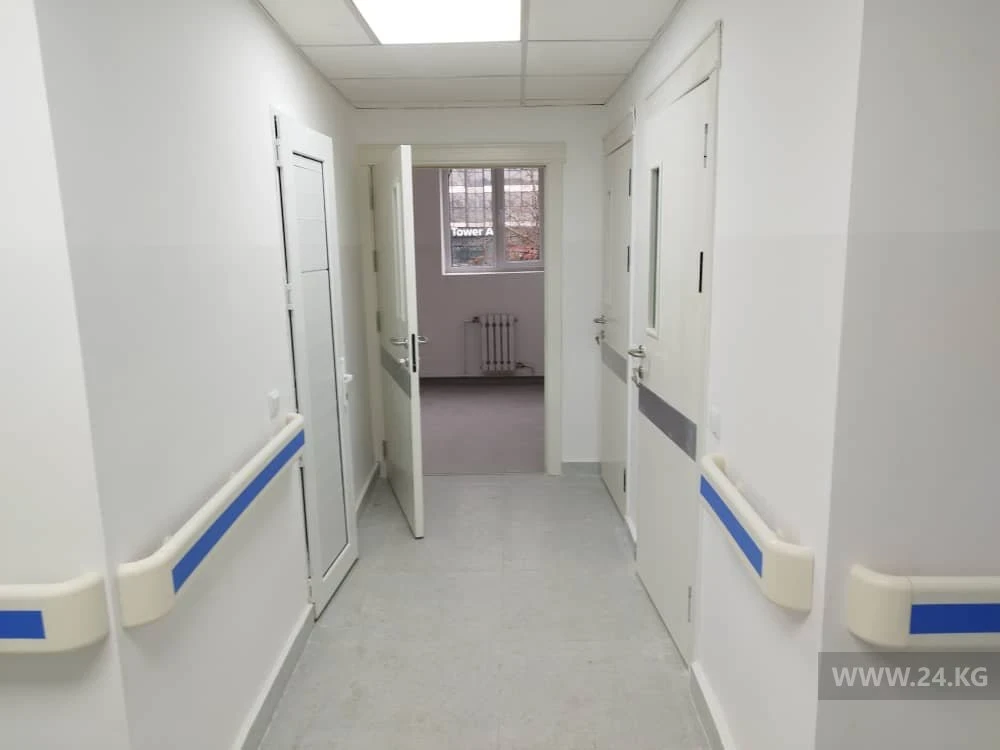
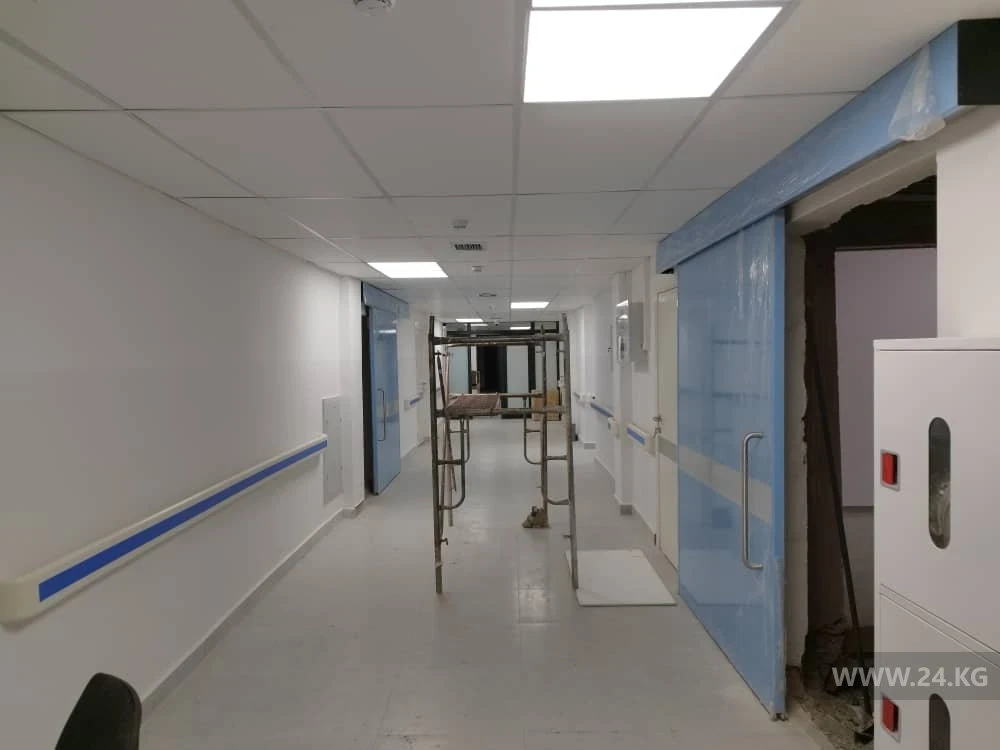
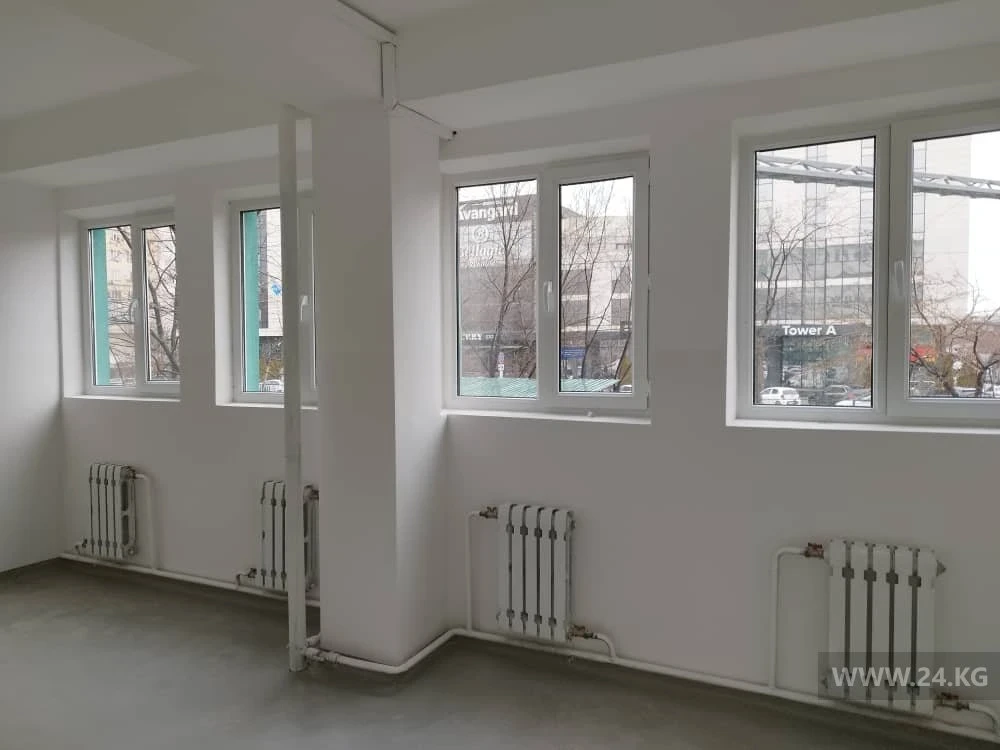
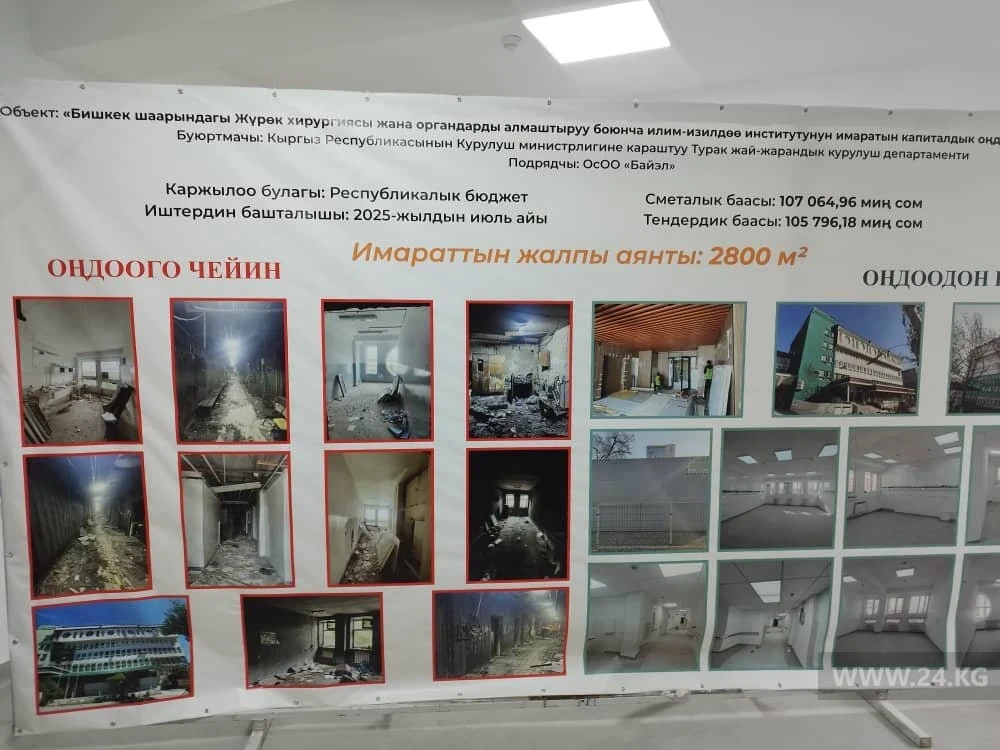
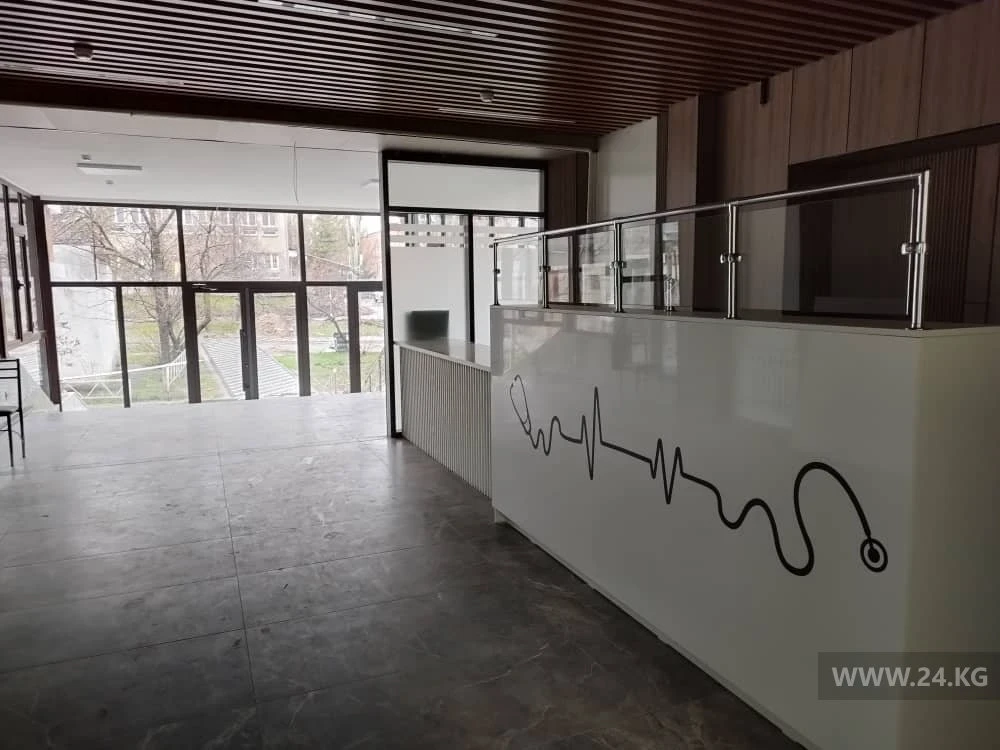
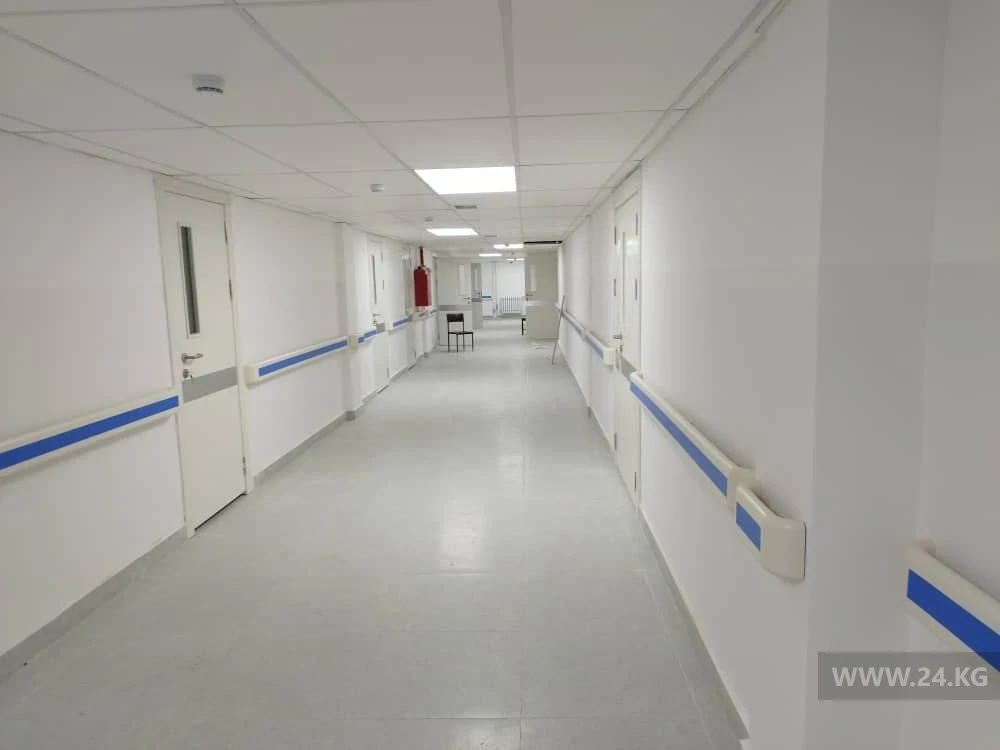
A computed tomography scanner will be installed in the basement, and two angiographs will be placed on the first floor. The third floor will be dedicated to the adult cardiac surgery department, where patients will stay before and after surgeries. The fourth floor includes a resuscitation unit for adults and children, an express laboratory, and service rooms, while the fifth floor will house the operating block.
The medical institution has completed the initial cleaning. After treating surfaces with special solutions and quartz disinfection of the wards, an infection control will be conducted. The move to the updated building is expected to take place at the end of next week, pending approval from the sanitary and epidemiological station.

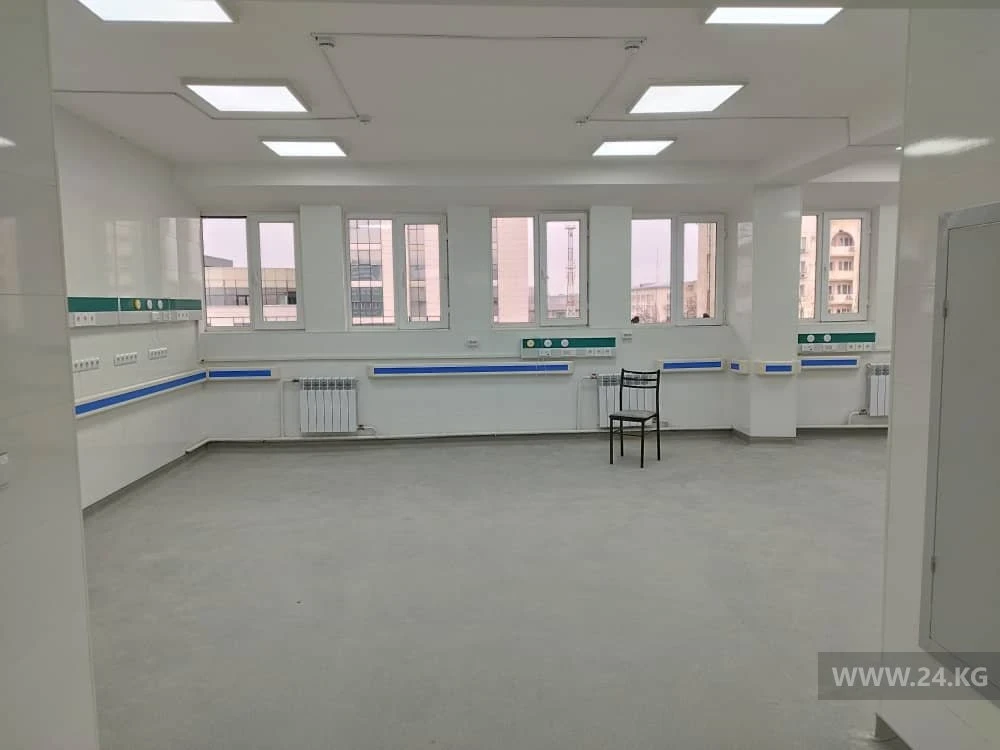
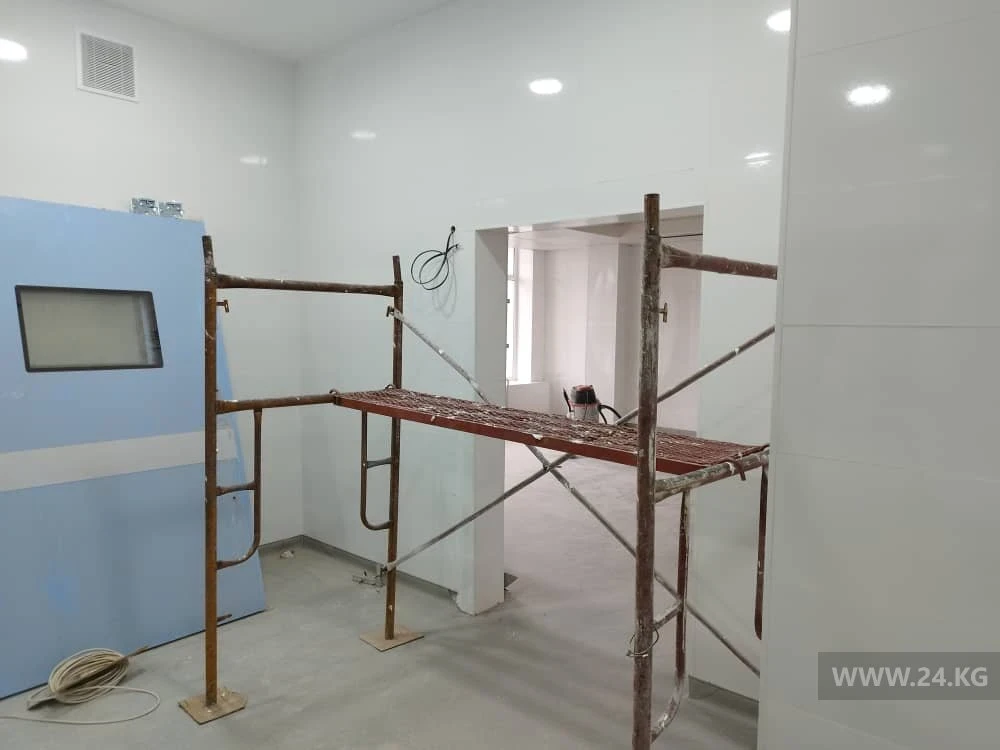
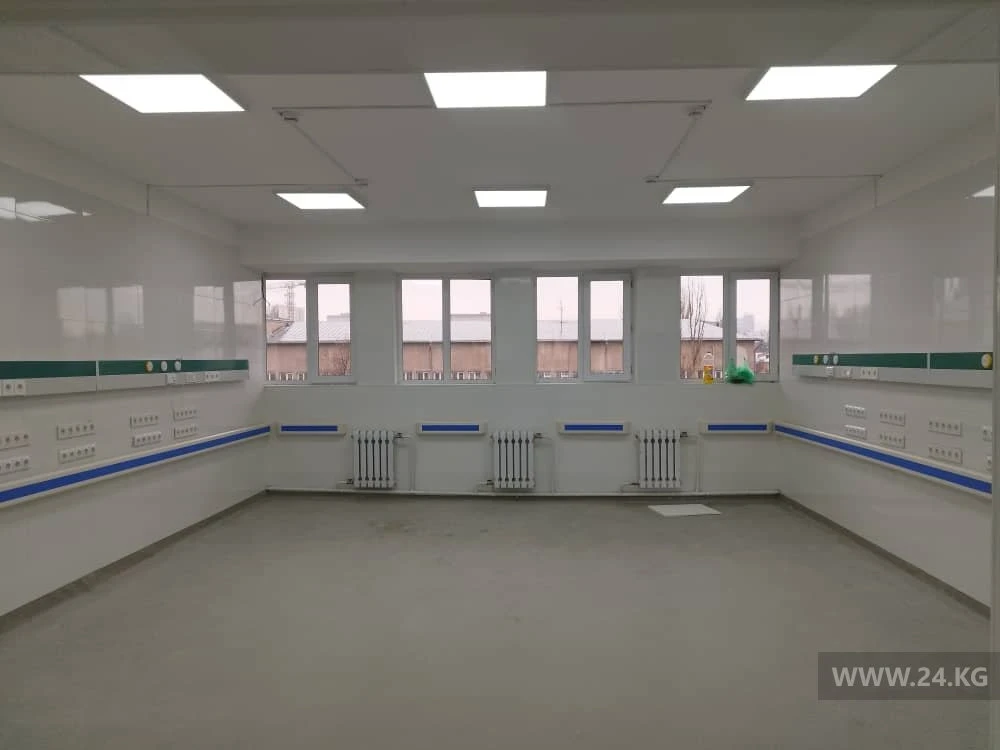
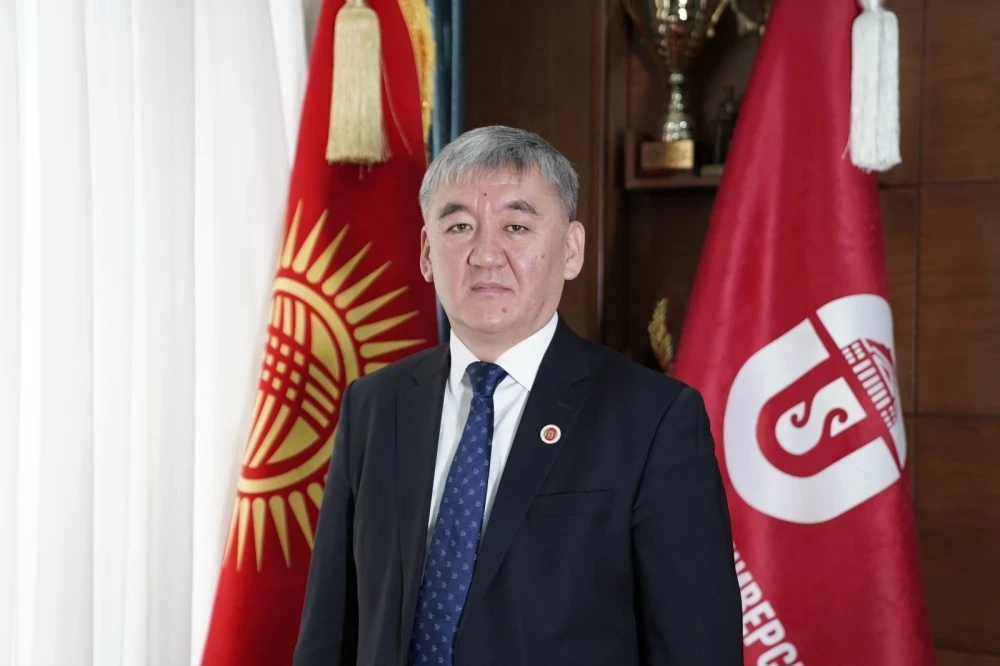
For the purchase of new medical equipment, the Cabinet of Ministers allocated almost 256 million soms to the Research Institute of Heart Surgery and Organ Transplantation. According to the institute's director, Jalil Sheyshenov, over 70% of the necessary equipment is already ready for delivery, and as soon as permission is obtained, the equipment will start arriving at the institution.
New Technologies and Ventilation
As noted by 24.kg, Jalil Sheyshenov stated that previously the ventilation system was only in the operating block, but now it will cover all floors and wards.The updated ventilation will help prevent airborne infections and ensure a flow of fresh air.
In the operating room, a climate control system will be installed that will supply sterile air through HEPA filters. This will create a clean zone above the operating table, minimizing the risk of infections, which is extremely important in surgery.
Previously, there was only one angiograph at the Research Institute of Heart Surgery and Organ Transplantation, whose malfunction caused the fire. In the coming years, two new angiographs are planned to be installed, one of which will arrive in the fall of 2026 through a Japanese grant. Japan is also financing the purchase of a computed tomography scanner, which was previously absent in the institute.
The Situation with Cardiac Care
Every year, more than 2,000 children are born in Kyrgyzstan with congenital heart defects, and about half of them do not survive to the age of one without necessary assistance.The causes of congenital heart defects can include various factors, including parental health, environmental conditions, and nutrition quality.
Every year, more than 16,000 people die from cardiovascular diseases in Kyrgyzstan — this is twice the global average.
The Research Institute of Heart Surgery and Organ Transplantation is the only institution in the country that performs heart surgeries for various congenital anomalies.
In 2025, as reported by Jalil Sheyshenov, due to the relocation after the fire, the number of surgical interventions decreased, and 400 open-heart surgeries were performed.
In 2026, this number is planned to increase to 800-1,000.
For example, in February, more than 50 open-heart surgeries were performed. Institute specialists also conducted about 20 consultations in maternity hospitals and perinatal centers. Significant attention is given to the implementation of modern treatment methods, including surgeries for newborns with severe cardiovascular diseases.
“The state of the cardiac surgery service in Kyrgyzstan, especially in the pediatric field, requires improvement. Given the high demand, it is necessary to develop this area not only in our institute but also in regions such as the Osh Children's Regional Hospital,” noted the head of the Research Institute of Heart Surgery and Organ Transplantation.
According to him, a team approach is required for the successful development of pediatric cardiac surgery. Unfortunately, there is a shortage of pediatric cardiologists not only in the regions but also in Bishkek. Solving this problem can be achieved through national programs and cooperation with foreign colleagues. With appropriate government support, improvements in the service can occur within three to five years,” added Jalil Sheyshenov.
Additional Information Causes of Child Mortality on the Operating Table and Issues in Cardiac Surgery
The Research Institute of Heart Surgery and Organ Transplantation also emphasizes the importance of staff training. Surgeons and anesthesiologists have undergone training in clinics in Seoul (South Korea). Recently, two specialists returned from Tashkent (Uzbekistan), where they also completed advanced training courses.
Additionally, a memorandum of cooperation is planned to be signed with experts from other countries where methods of pediatric cardiac surgery are successfully developed, including Belarus.
“It is more effective not only to send specialists abroad but also to invite foreign colleagues to conduct master classes here. This will allow them to see our capabilities and reality immediately. However, such a mission requires careful preparation on the part of the host side,” noted Jalil Sheyshenov.
The budget for training may increase due to financial autonomy. The Research Institute of Heart Surgery and Organ Transplantation is one of 20 state medical institutions that will receive greater freedom in management and finances.
Changes in Cardiac Surgery Services
The autonomy of hospitals will lead to an increase in prices for paid services, including surgeries.As Jalil Sheyshenov reported, surgeries at the Research Institute of Heart Surgery and Organ Transplantation are classified into six categories of complexity.
“In neighboring countries, there are specific tariffs set for each type of surgery. The Ministry of Health and the Cabinet of Ministers have provided us with instructions for tariff formation. In any case, the cost of surgeries here will be significantly lower than in private clinics. This will allow us to partially increase the budget and direct funds towards the development of the institute and the purchase of necessary materials, which will ultimately improve the quality of services,” he explained.
Additional Information Availability of High-Tech Cardiac Surgery in Kyrgyzstan
Nevertheless, mortality in cardiac surgery will remain, as it involves complex conditions. In 2025, the mortality rate at the Research Institute of Heart Surgery and Organ Transplantation was 10-12%.
“It is incorrect to evaluate the work of a cardiac surgery clinic solely based on the number of successful surgeries. Much depends on the patient's condition at the time of admission. For example, how was the initial assistance to the newborn? Did they receive all necessary medications on time? Were the conditions in the maternity hospital and during transportation met? All of this significantly affects the success of the surgery,” added Jalil Sheyshenov.
Prospects for Organ Transplantation
The name of the Research Institute of Heart Surgery and Organ Transplantation implies the possibility of organ transplantation, although previously only kidney transplants were performed here.“When establishing the institute, this was one of the key tasks, considering the high level of need and the center's preparedness. We have high potential, as evidenced by the presence of qualified specialists in cardiac surgery,” noted the director. — “With the support of the Ministry of Health, our institute will be able to develop kidney transplant programs and, in the future, heart transplants.”
According to Sheyshenov, heart transplant programs are successfully implemented in neighboring countries, and he himself has participated in similar projects in Kazakhstan.
“Unfortunately, we see patients in need of a donor heart every day. We are already collecting statistics and plan to start with a program for the installation of a mechanical heart (LVAD) until a suitable donor is found. This issue requires legislative resolution considering religious aspects. I am confident that organ donation will help in the development of transplantation,” he concluded.