Participants discussed the existing ecological challenges of the region
From February 25 to 27, 2026, a preliminary meeting dedicated to the Regional Ecological Summit of Central Asian countries (RES-2026) took place in Almaty. The event was organized by the Committee for Forestry and Wildlife of the Ministry of Ecology and Natural Resources of the Republic of Kazakhstan with the support of the United Nations Development Programme and the German Society for International Cooperation (GIZ).
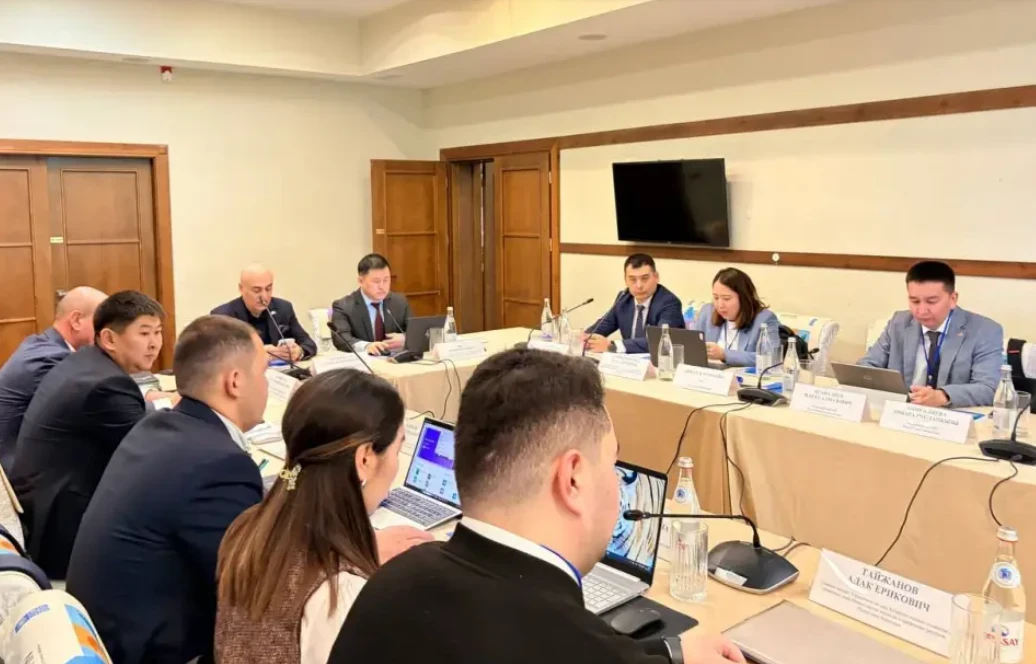
Representatives from the Kyrgyz Republic, the Republic of Tajikistan, the Republic of Uzbekistan, and Turkmenistan participated in the meeting, along with international organizations and partners such as UNDP, FAO, GIZ, UNEP, UNESCO, WWF, and IUCN, as well as staff from the secretariats of international conventions.
Opening the meeting, the Chairman of the Committee for Forestry and Wildlife of the Ministry of Ecology and Natural Resources of the Republic of Kazakhstan, D. Turgambaev, emphasized the importance of uniting the efforts of Central Asian countries to preserve biodiversity, restore forest ecosystems, and address transboundary ecological issues.
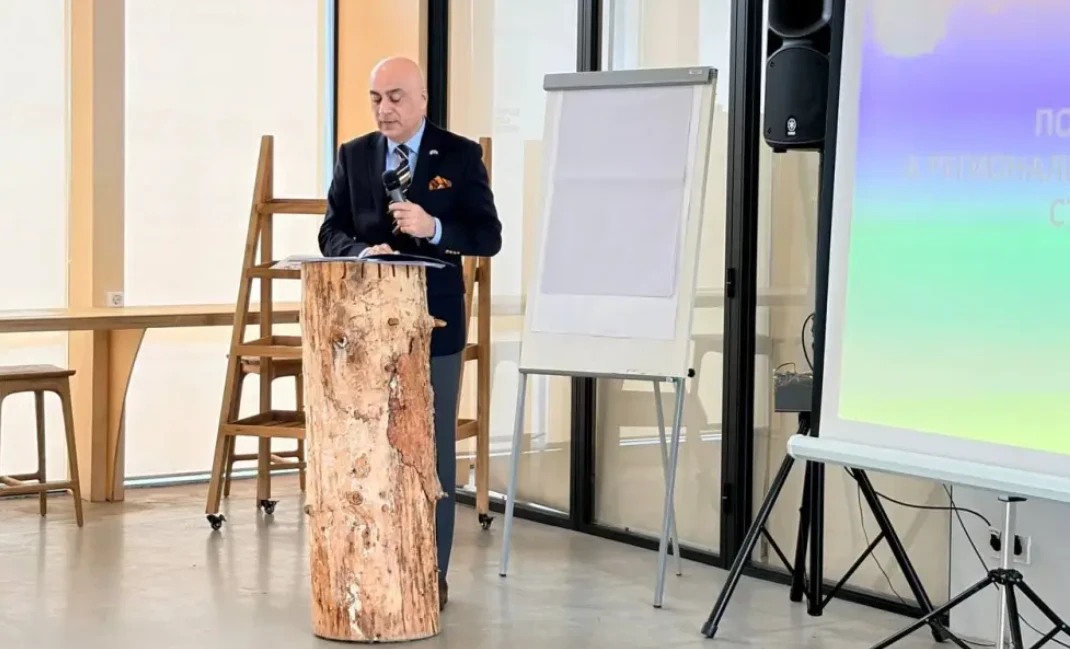
During the meeting, participants discussed the creation and agreement of two complementary regional initiatives — "Green Shield" and "Harmony with Nature for Sustainable Development of the Region." These initiatives are planned to be presented at RES-2026 for subsequent signing of a declaration and resolution.
The discussion also touched upon transboundary biodiversity conservation, restoration of forest ecosystems, including mountain forests, saxaul forests, and tugai forests, as well as combating land degradation and desertification, and creating a coordinated system for mobilizing financial resources.

Participants noted that Central Asia possesses natural capital of global significance, including the ecosystems of the Tian Shan and Pamir-Alai, steppes, deserts, and wetlands, which are home to rare species such as the snow leopard, kulan, and argali. However, the region faces increasing climate and ecological challenges that directly affect food and water security, public health, and infrastructure resilience.
As a result of the meeting, the parties agreed to refine the project documentation, clarify the logic of results, coordination mechanisms, and financial architecture, in order to present ready-to-implement solutions at RES-2026. The Almaty meeting became a key step in forming a unified position of Central Asian countries on biodiversity, forest restoration, and nature-based solutions, which is the foundation for regional resilience.
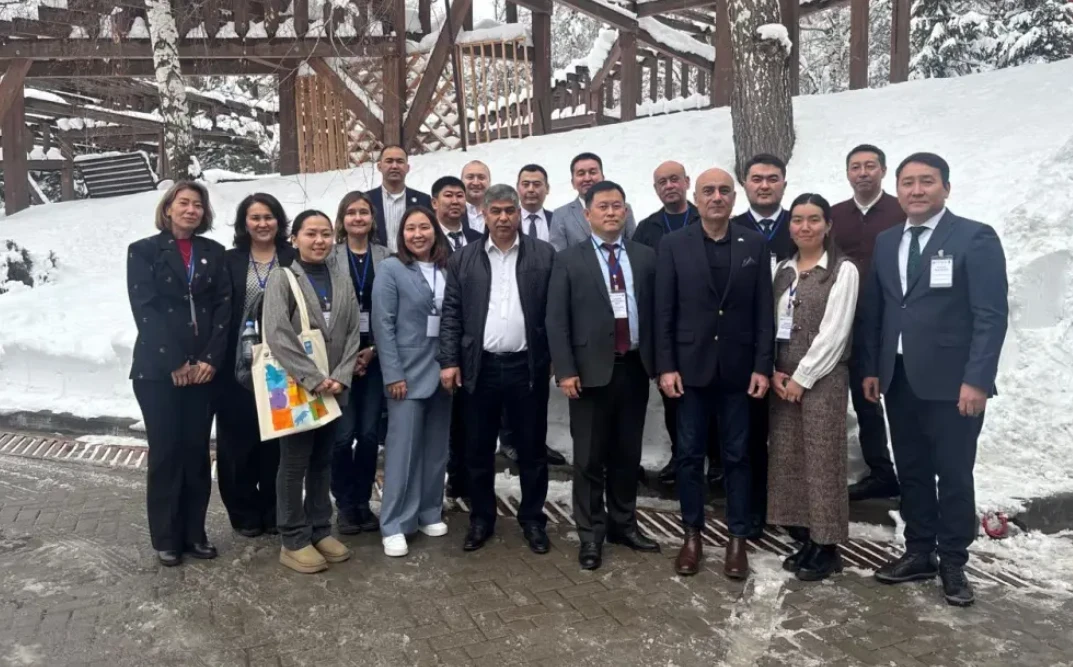
photo www