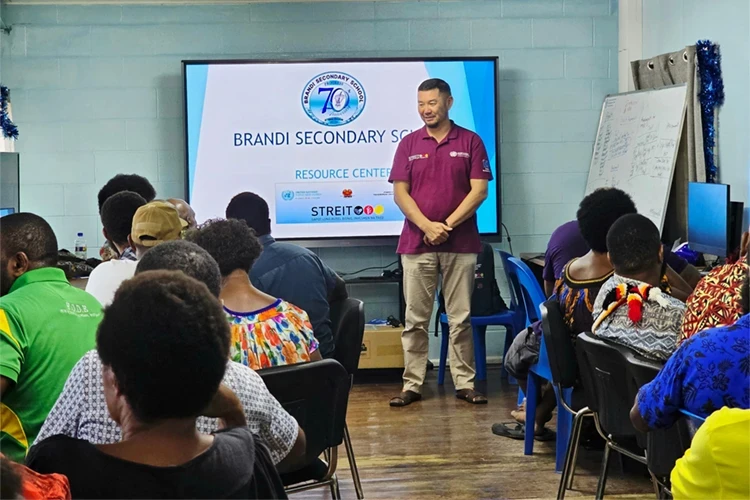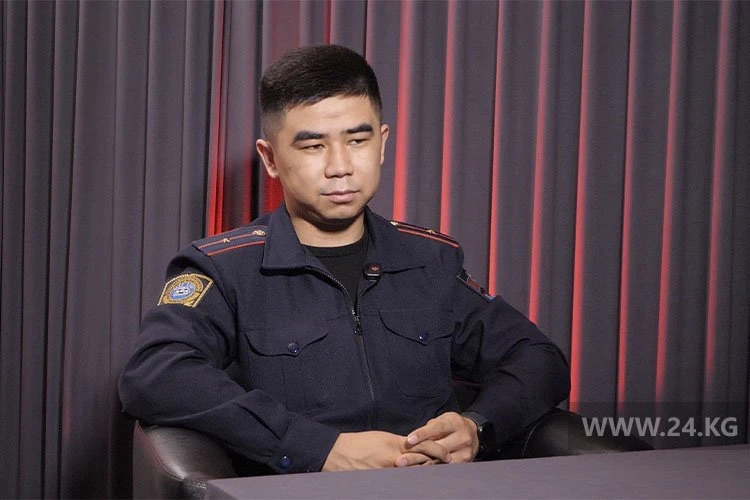
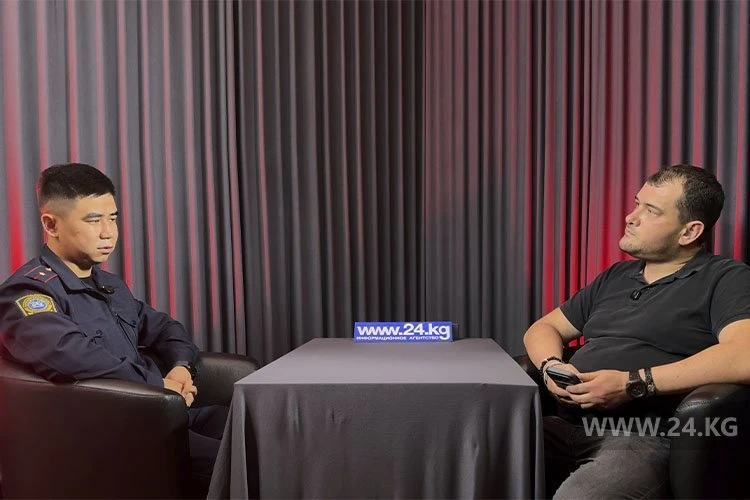
Photo 24.kg. Nadyrbek Jusupov
— What traffic violations occur most frequently?
— First of all, it is the failure to comply with traffic signs. For example, when drivers ignore prohibitory signs or make U-turns over double solid lines.
Secondly, it is entering the center of an intersection, which violates clause 13.2 of the rules. As a result, vehicles block cross streets.
The third is the use of mobile phones and other gadgets while driving. This is a very common problem, as drivers often get distracted by them.
— Are there places in Bishkek where violations occur most often?
— Mainly, it is the new highway where young people gather at night. They often speed and violate traffic rules. We regularly patrol there at night.
During the day, minor violations are recorded in the city, such as turning in prohibited places or neglecting pedestrian rights.
— How often do drivers try to "settle" things on the spot?
— In the past, when I just started working, such cases were quite frequent. However, now that many drivers know me, such attempts occur less often.
Nevertheless, sometimes they suggest discussing things over the phone instead of addressing the situation on-site.
— When was the last time someone offered to "resolve the issue"?
— That happened just a few days ago. A drunk driver was calling someone to "settle things." We declined to avoid misunderstandings. In such situations, the management always supports us, advising to act according to the law.
— Have you faced physical aggression from drivers?
— Yes, especially from intoxicated drivers. One of the recent cases was in February when a drunk driver tried to escape and resisted. As a result, the inspector's uniform was damaged, and we had to use force. Such situations entail criminal rather than administrative liability.
— Have there been moments when you were threatened?
— Yes, such cases have occurred, and they were quite serious. Once, people came to my house after an arrest to express their dissatisfaction. We talked, and I explained that I was just doing my job.
After that, they left, but returned the next day.
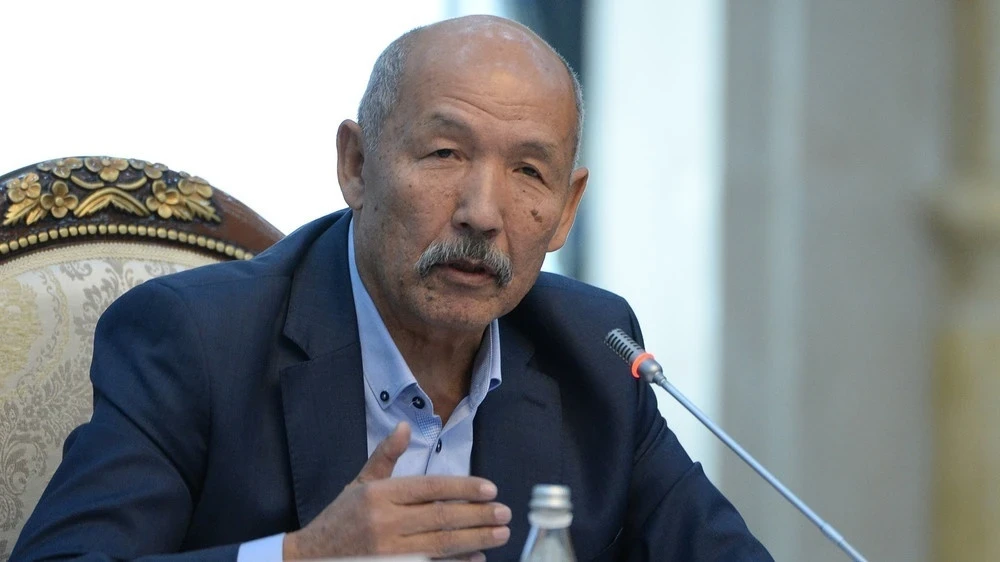
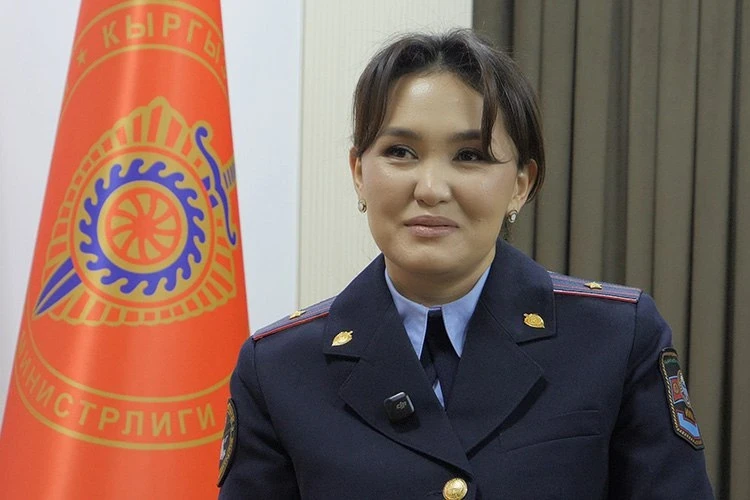
Nadyrbek Jusupov, inspector of the Patrol Police
— Was it just an emotional reaction?
— Yes, it was more serious than just ordinary words. We calmly discussed the situation again, and I clarified that I had no personal conflicts — I was acting within my duties. After that, they did not appear again.
— Does the desire to leave the profession arise in such moments?
— No. This is part of the job. If you choose the patrol service, you must understand that you will encounter different people and situations.
— What is your attitude towards the incident with the deputy of the Jogorku Kenesh, Eurlan Kokulov, who claimed his immunity at that time?
— I respect deputies, but I was fulfilling my duties. I explained that no deputy is exempt from administrative responsibility. The law is the same for everyone.
Although there was a quarrel between us, I perceive it as a work-related moment. I always act according to the law and do not create personal conflicts.
— After that incident, did you communicate with him?
— No, we did not cross paths. I am obliged to follow the law, not the status of a person.
— How many cars do you stop per shift?
— On average, it is 20-30 cars. Each conversation is a new experience in communication. Working in the patrol service requires negotiation skills and the ability to resolve conflicts.
— What advice would you give to drivers to avoid fines for minor violations?
— Acknowledge your mistake. Many start to argue, but when you explain the situation, they usually agree. Our goal is not punishment, but prevention of violations.
— Are there times when police officers themselves violate the rules?
— Yes, such cases also occur. We receive videos via the internet, and there is a special number 0777102102 for reporting violations.
We conduct internal investigations, and if a violation is confirmed, we issue a protocol. Officers pay fines just like all citizens.
Nadyrbek Jusupov, inspector of the Patrol Police
— How quickly do you find violators whose videos are published on social media?
— We have databases that allow us to identify the vehicle owner and their address. The "Safe City" system also helps track the vehicle's route.
— How can the number of violations on the roads be reduced?
— It should start with educating children. I regularly visit schools, and children aged 10-12 already know about possible violations. Adults should set a good example.
— Have there been cases when you saved people?
— Yes, although we do not always talk about it. One case stands out: a year and a half ago, there was a traffic accident on Gorky Street, and I arrived when a person was lying on the ground. I managed to save him by pulling out his tongue while waiting for an ambulance.
— How do inspectors recognize violators in the flow of cars?
— It depends on experience and intuition. For example, a drunk driver often behaves nervously and tries not to look at the inspector, while an ordinary driver is not afraid to maintain eye contact with him.
— Why did you choose this profession and the patrol service?
— Initially, I wanted to become a police officer, but I did not know in which area to work. After graduating from university, my father suggested I try my hand at law. So I decided to start with traffic police, considering it a good school.
— What would you like to say to drivers?
— On behalf of the Patrol Police of Bishkek, I urge everyone to follow traffic rules, especially to avoid entering the center of intersections. This is one of the main causes of traffic jams. It is also important to remember that knowing the rules is one thing, and driving culture is completely different. One must remain a human being on the road.