The narcologist reminded about the lack of government rehabilitation programs
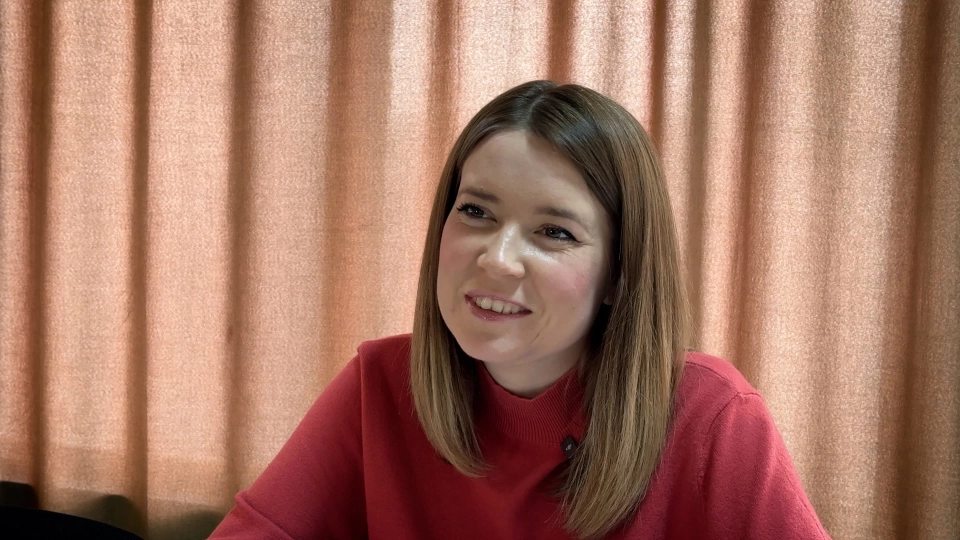
In Bishkek, private rehabilitation centers for people with addictions are closing down. This was reported on social media by psychiatrist-narcologist and director of the public association "Socium," Batma Estebesova.
She noted that the reasons for the closure of the centers are quite serious: unacceptable therapy methods, cases of violence, humiliation, and lack of proper medical approach.
“This cannot be disagreed with. Violence is not treatment! And what should be done now with the addicts and their families?” - the specialist posed a rhetorical question.
She emphasized that there are currently no government rehabilitation programs.
“There is only short-term detoxification. A few private centers remain, which are frightening to go to. And what next? A void. Yes, the closed institutions were run by people without medical education, former addicts. Their methods were sometimes cruel and, at times, unacceptably harsh. But drug addicts were there, albeit in a rather fragile state of remission. Most of them were not using drugs. Parents knew where their children were and that they were alive. And now they have been returned to the streets to those very substances, without any support,” - she added.
Some were lucky: their parents managed to place them in the remaining centers. We must certainly close institutions where violence and rights violations occur.
We are obliged to punish for violence. But leaving a vacuum is unacceptable. Addiction is a disease, not a crime. Rehabilitation is a long and complex professional process, and if the state decides to close non-governmental centers, it must offer an alternative.
- Where are the government rehabilitation centers?
- Where are the long-term support programs?
- Where are the psychiatrists, narcologists, psychologists, and social workers?
- Where is the support for families who are currently in panic?
Currently, not only parents are in shock. Dozens and hundreds of people are in danger, who may relapse, die from an overdose, or end up in prison.
This critical situation requires not loud headlines, but urgent dialogue and action. The process should involve doctors, human rights defenders, public organizations, and the families themselves. Closing centers is easy, but saving lives is a responsibility,” - concluded Batma Estebesova.
Photo www