Kaktus.media reports on current events.
Current Situation
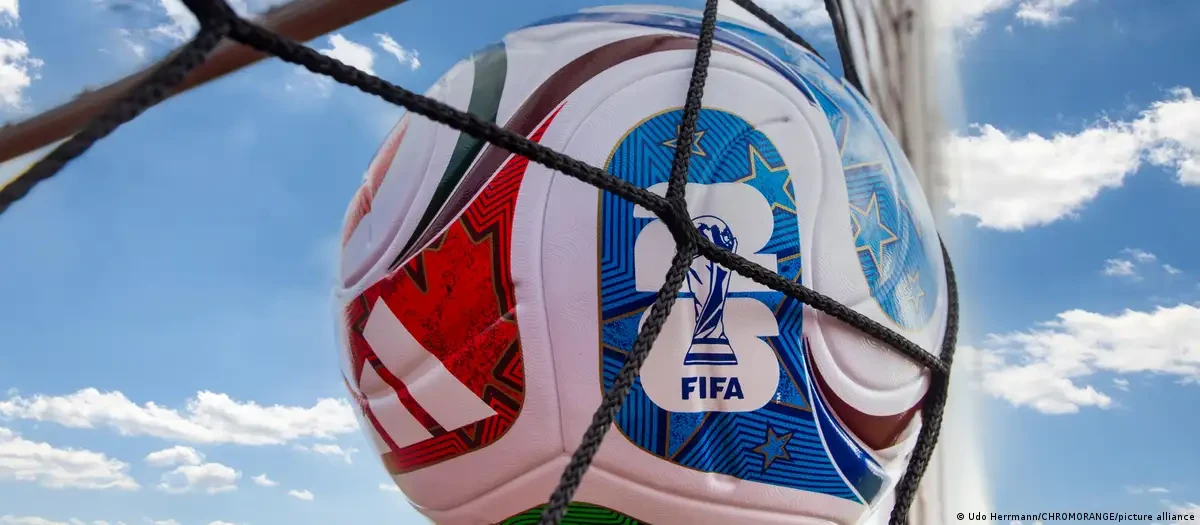
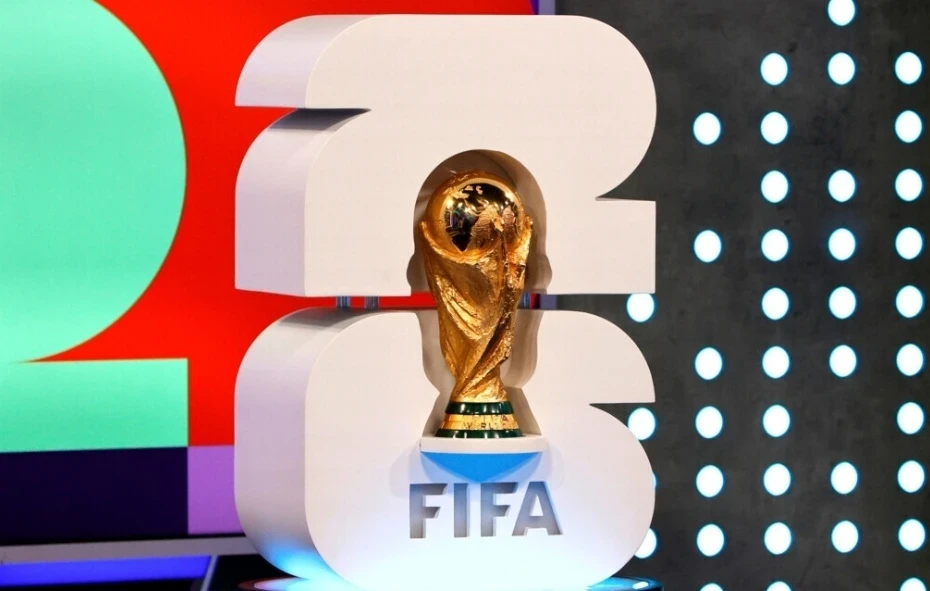
The Washington Post (WP) has published information about the growing calls to boycott the upcoming World Cup. Recall that the tournament will take place from June 11 to July 19, 2026, and for the first time will feature 48 teams instead of the usual 32 that participated from 1998 to 2022.This championship will be unique as it will be held in three countries: the USA, Canada, and Mexico. However, the entire scandal is related specifically to the United States.
Reasons for Discontent
The protests were sparked by President Trump's actions regarding Venezuela and Greenland, as well as incidents in Minneapolis where Immigration Service officers shot people during two events.Proposals and Initiatives
Some football officials from Germany and France have already expressed support for a boycott of the tournament. Similar ideas are also being discussed in the British Parliament. The Economist has reported that the issue of a boycott is being raised at the level of the European Parliament.Popular Dutch television host Teun van de Koken has launched a petition asking the country's authorities to withdraw from participation in the championship, having already gathered over 140,000 signatures, as reported by Diario AS.
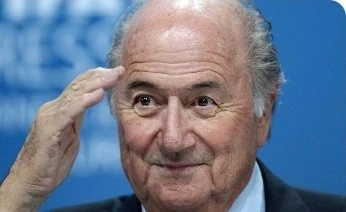
Former FIFA president Joseph Blatter has also called on fans to boycott the 2026 World Cup, claiming that due to the strict immigration policies of the USA, it is better to watch the competitions on television.
He noted: "On television, you will see everything much better. Moreover, if you do not please the officials upon arrival, you may be sent back home immediately. If you are lucky."
History of Boycotts
There have been cases of boycotts, but they mostly concerned qualifying rounds. For example, at the 1966 World Cup in England, all African teams boycotted the qualification because FIFA allocated only one slot for African teams, which they deemed unfair. In response, all 15 teams withdrew from the qualifying cycle.At the 1938 World Cup in France, the Argentine and Uruguayan teams also refused to participate, citing political reasons, expressing dissatisfaction that the championship was once again being held in Europe, although it had already taken place in Italy in 1934.
Likelihood of a Boycott
It is unlikely that this will happen.The German Football Association (DFB) has already stated that a boycott of the 2026 World Cup is not being considered at this time.
“The Executive Committee believes that discussions on sports policy should take place within the organization, not in public. DFB President Bernd Neuendorf has already stated that a boycott of the championship is not being discussed. We are confident in the unifying power of sports and in the positive impact that the World Cup can have. Our goal is to enhance this impact, not hinder it,” the official statement reads.
French Sports Minister Marina Ferrari added that at this stage, there are no intentions in the ministry to boycott the competition. “I do not rule out that various events may occur, but it is important to separate sports from politics. The World Cup is an important event for all sports fans,” she noted.
Fans' Opinion
The Roya News publication reported that in one night, nearly 17,000 fans allegedly canceled their tickets for the World Cup due to calls for a boycott.However, this information has not been officially confirmed.
At the same time, fans' dissatisfaction with ticket prices is indeed present, as confirmed by discussions online.
US Reaction
At the moment, there are no official comments regarding a possible boycott.However, Politico, citing its sources, reported that the USA plans to use the World Cup and the Summer Olympics as tools of foreign policy.
The document titled "Guide to Sports Diplomacy" outlines the methods by which the country intends to use such major events as the World Cup and the Olympics to achieve its goals.