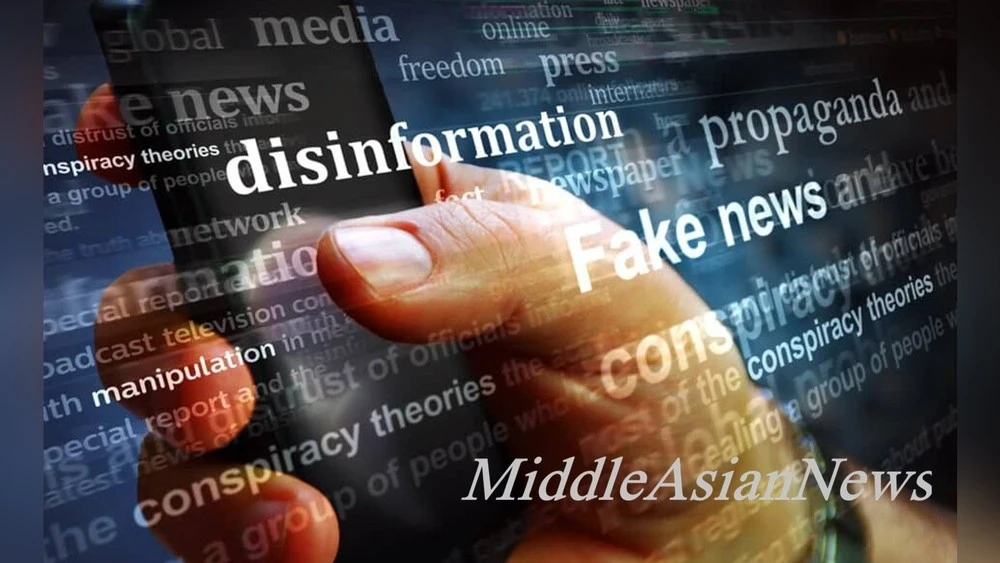
Modern technologies allow information to be transmitted at previously unseen speeds. However, with this progress comes the problem of misinformation dissemination, which can cause serious harm. In this regard, Lemonpress published the results of a study conducted by the IRIM Research Institute in collaboration with the INCITEGov Center in the Philippines. This data was disseminated through MiddleAsianNews.
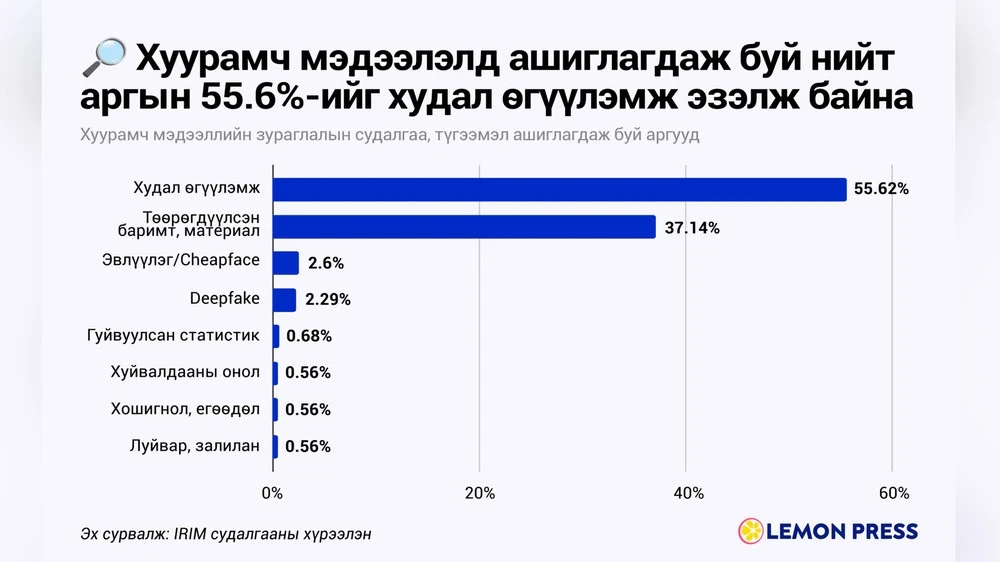
🎬 False stories prevail
Diverse methods are used to spread fake news; however, false claims account for 55.6% of the total number of fake news. These conclusions were drawn from the analysis of 1.6 thousand social media posts published from September 2020 to September 2025. Here are some key findings from the study:
Government institutions as a source: Government structures and their representatives play a significant role in spreading misinformation. For example, in 2023, a former prime minister reported that he managed to pull the country out of a 12-year debt cycle by repaying "Samurai" bonds worth $200 million. At that time, the external debt was $33.9 billion, which is $20 billion more than it was 12 years ago.
Influence of neighbors: Neighboring states actively spread politically motivated misinformation. A study of 20,000 posts from 16 of the most active Facebook accounts promoting pro-Russian content revealed that most materials support Russia and justify its actions in the conflict with Ukraine.
Editor-less websites: News resources managed by a single person and lacking editorial staff have gained traction. Of approximately 390 registered news websites in Mongolia, about 300 have no editors and, according to industry data, mainly engage in spreading fake information.
Troll networks: There are also organized networks of fake accounts on social media, funded by individuals with political or business interests. According to the Main Police Department, by 2023, around 400,000 fake accounts could have been created in Mongolia.
Ultimately, it is important to filter information and approach it with caution—this is one of the best ways to protect against misinformation. It is recommended to draw information from verified sources.