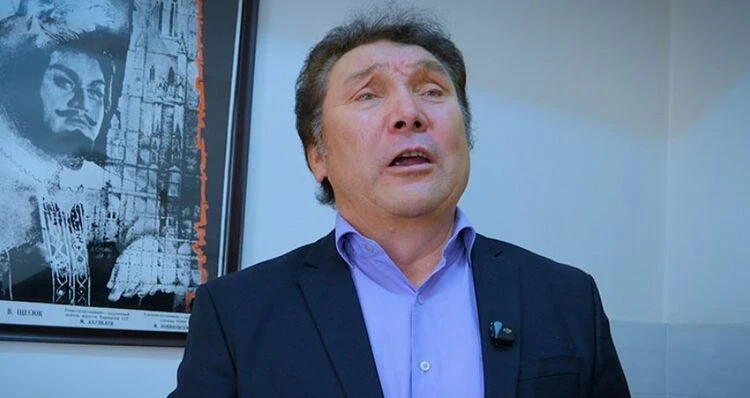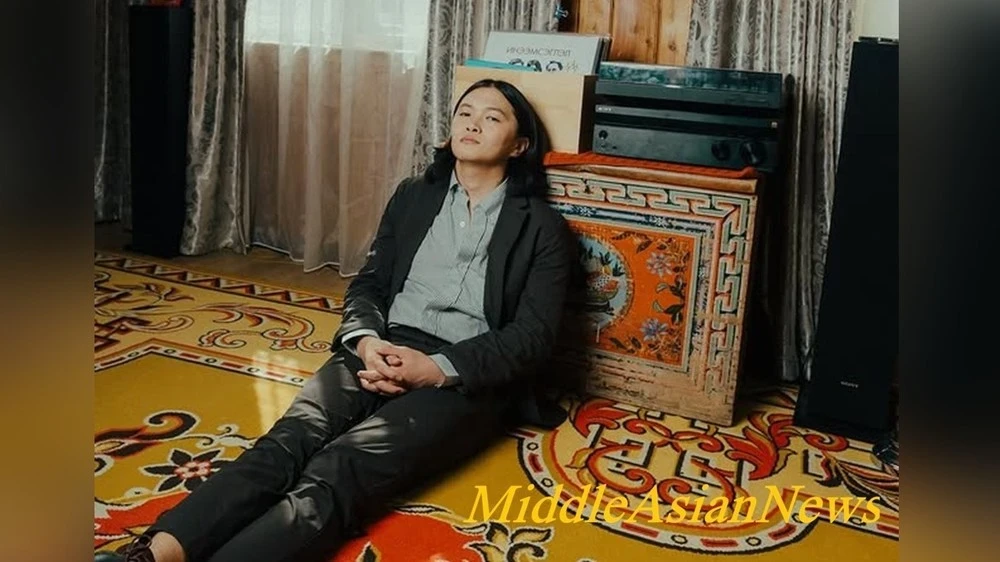
An interview with the young Mongolian artist who shares his journey to fame, stepping onto the international stage, and the process of creating music.
Ten years ago, a small presentation of the album "Famous Men," consisting of six tracks, took place at the Hi-Fi Records store. One of the songs, "The Bride and the Bachelor," was later used by the popular Netflix series "Outer Banks," while another track, "Crimson," was included in the film "The Case File." Viewers are likely to remember these tracks, as the artist's music organically blended with visual content across various platforms.
"As a viewer, I often feel that Dölgoon Bayasgalan's (Magnolian) music adds depth and atmosphere to important scenes in the film 'The Saleswoman' (2021) directed by Sengedorj Janchivdorj. His soundtrack enhances the emotional component," notes journalist Khuslen Durenjargal.
Last summer, several songs by Dölgoon Bayasgalan were featured in the long-awaited game by Hideo Kojima, "Death Stranding 2: On the Beach." When asked about this achievement, he succinctly replied, "The main thing is that the song is good." This simple statement reflects his artistic credo.
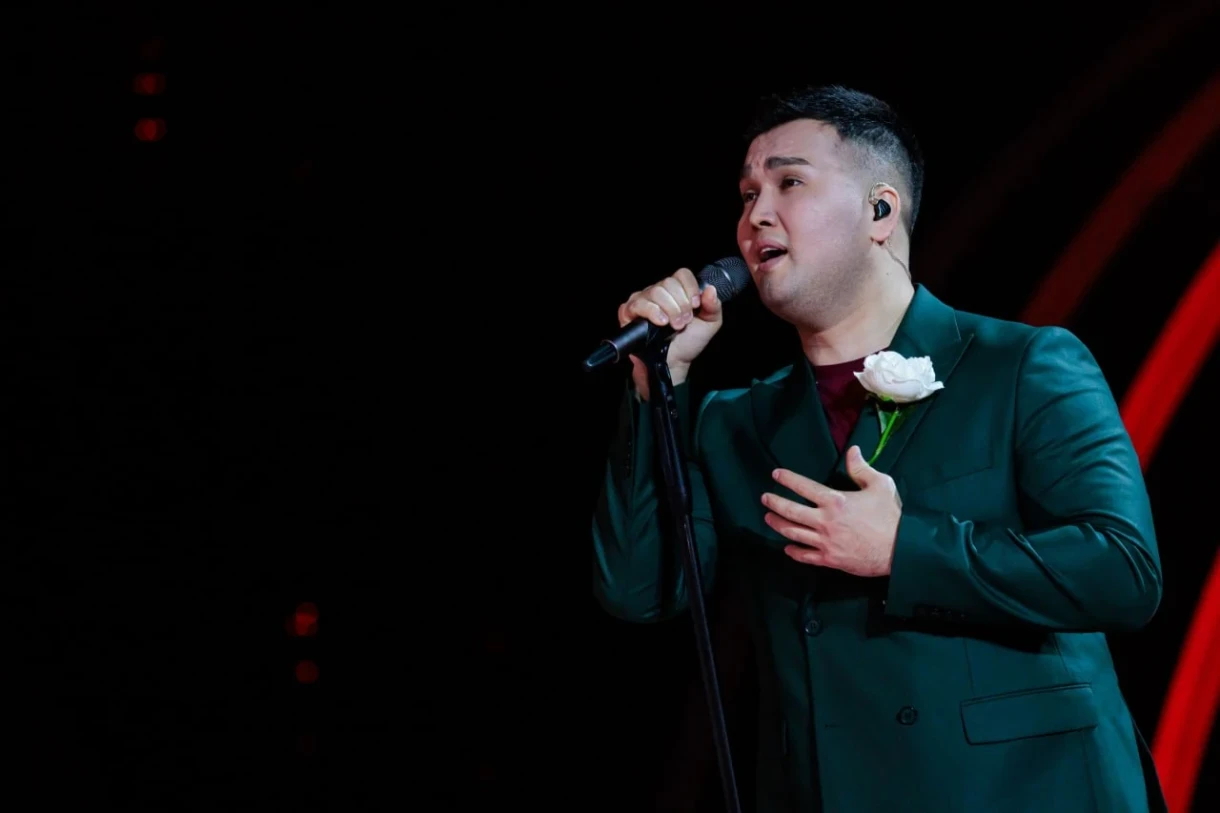
It is also worth mentioning that Dölgoon Bayasgalan, along with his friend Khongor Ganbat, opened the "Fat Cat Jazz Club" — a stylish and cozy venue that has become a home for musicians, where live performances and community atmosphere intertwine organically. In this interview, we present to you the indie-folk artist and songwriter Dölgoon (Magnolian).
— Indie-folk has a unique rhythm. It combines the dynamics of urban life with the tranquility of nature — it creates a kind of emotional space.
— From the very beginning, I knew I would sing in this genre. Instead of choosing one style, I simply share the music that was born within me. I have always had a love for folk music. I also decided to avoid writing complex songs that require powerful vocals. I was inspired by Fleet Foxes and Bon Iver, and I have always dreamed of creating music in a similar spirit.
— You performed at Playtime for the first time in 2015, right? And is it true that 29 out of 30 audience members were your acquaintances?
— Yes, that's true. At that time, there weren't many venues for live music at Playtime. I remember going on stage around 3 PM. I saw that there were only a few people in the hall, and all of them were familiar to me. I was just starting to write songs, standing alone with my guitar and singing. I had a desire to make a name for myself as a solo artist.
— Now, surely, the situation has changed, right?
— Absolutely, everything is different now (laughs). When I performed last year, the hall was full. I found my audience.
— You formed a band, didn't you?
— In the early days of the band, the lineup changed frequently, but now it has become stable. I work with Jamukh Naranzaatsral on drums, Davaadorj Chagnaadorj and Oyunbold Bayandalai on guitar, and Bayartsengel Bekhbat on violin. We discuss new ideas, and this influences our latest album. Sometimes my wife Enkhjin Batjargal helps with backing vocals at major concerts. Initially, I just wanted to write music and find a singer to perform my songs, but after a long search, I decided to sing myself.
— You started playing guitar at the age of 12. When did you start writing your own songs?
— At first, when I was learning to play and sing, I invited girls from my class to listen (laughs). But back then, I never finished the songs — at most 30-40 seconds, and that was it. I started writing full songs around the age of 16. At 10, I was already playing in a band, and we even recorded our tracks. Then I entered university to study fine arts. People studying this can do various things. But I never thought I could make a living from it. My parents never imposed their decisions on me. A lot happened before I could release my first album "Famous Men."
— The album cover looks quite interesting.
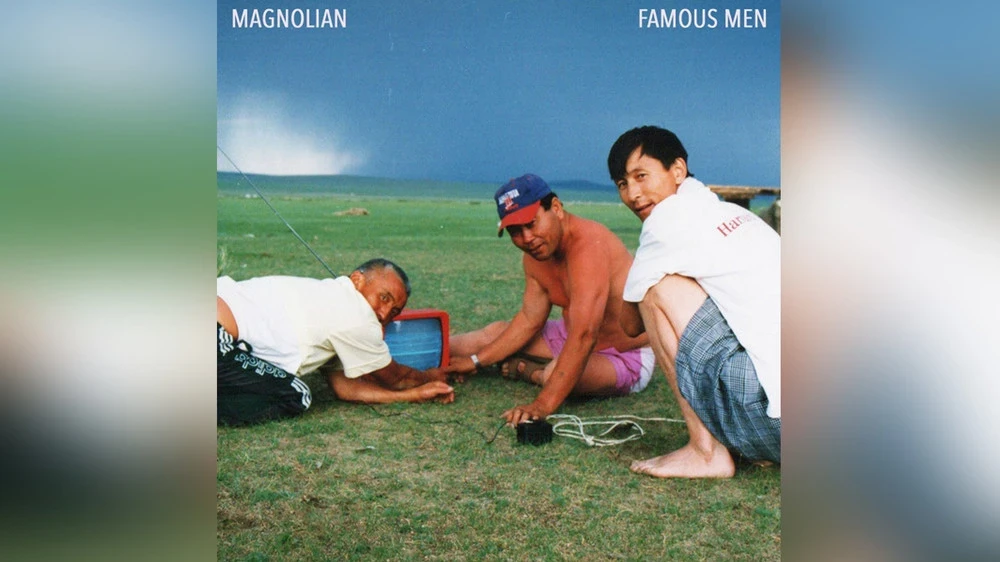
— Yes, I definitely knew that I didn't want my photo on the cover of my album. One day, I found an old image from a metal box at home. I showed it to my wife, and she immediately said, "That's great." It was pure coincidence, but the photo is indeed interesting. It depicts the countryside, but there is no young man on a horse. It was taken during Naadam when people dress in a special way. If you look closely, you can see three men adjusting an antenna to watch the wrestling competition (bökh).
— You mentioned that your first guitar gave you a lot. What did you mean?
— The guitar that my parents bought for me is still with me. It may seem ordinary, but for me, it is like a sacred object. Once, I broke it, but then I glued it back together.
— What have you been reading lately?
— I read "When We Stop Understanding the World" by Chilean writer Benjamín Labatut. He discusses how 20th-century scientists were obsessed with their work and how their discoveries are related to world wars. I also enjoyed Ernest Hemingway's short story "The Old Man and the Sea." When I write, sometimes I can't find inspiration. In such moments, I start reading a random book, and it can give me a new idea: "Ah, here's another way to write." Creativity requires freedom, and excessive effort can be counterproductive.
— The beginning of the song "All the Different People" from the movie "They Sing Up On The Hill" (2019) sounds like "She’s Got You High" from "500 Days of Summer."
— Yes, that's true.
— Have there been times when a song turned out completely different from what you envisioned?
— Yes, those moments do happen. Which song would you like to talk about?
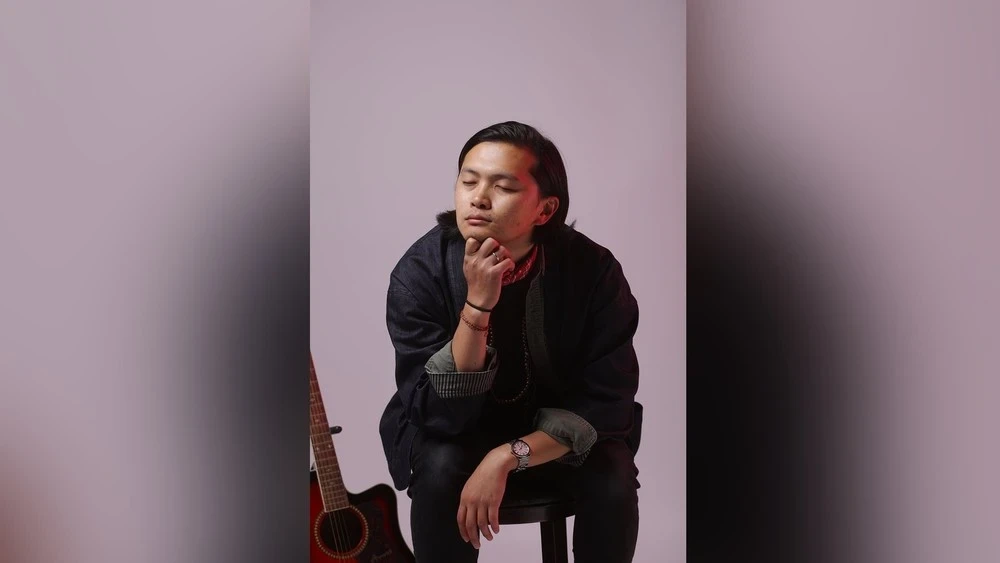
— For example, Civil War.
— Interestingly, people rarely ask about this song. I wrote half of it, and then I had no ideas on how to finish it. It was like a car stuck in the mud — you push, but the wheels don't turn. But eventually, I was able to complete it. "Caroline" also has an interesting story. One day, I couldn't get into my apartment after returning from a concert. I spent the night on the stairs, climbed up, and reached the roof just as the sun was rising. And it was at that moment that the chorus of the song came to me. The feeling of creating something new is incredibly exciting. I remember thinking, "There it is, I found it."
— Could you elaborate on that feeling? I’ve heard that some of your listeners take pride in showing your music to their foreign friends.
— Creating music is a process that cannot be controlled. It’s like fishing: you need to cast your line into the sea. Sometimes you catch a fish, and sometimes months go by without a catch. Perhaps I think this way after reading "The Old Man and the Sea." When you catch a big fish, it feels like a gift from the ocean. Therefore, creativity requires not only talent and skill but also a bit of luck. For example, "Indigo" was written very quickly, and I couldn't believe it myself. I was so excited that I couldn't sleep. Music is a way of conveying feelings: "I want to share this with you; we have similar hearts."
— How would you assess the changes in your songs over time?
— I believe my new works are better than the old ones. However, the writing process hasn't changed. Usually, the more you practice, the easier it becomes. But in my case, it’s the opposite — it has become more challenging.
— Perhaps the creative process can never be fully controlled?
— I'm not sure. My main goal is to avoid repetition. Although I could easily write songs similar to my previous ones, I don't want to simply imitate myself. I have already created most of the songs for the new album and believe they are the best I've ever done. Overthinking during the songwriting process is undesirable, and listeners can feel that. There is a noticeable difference between something forced and what happens naturally.
source: MiddleAsianNews