



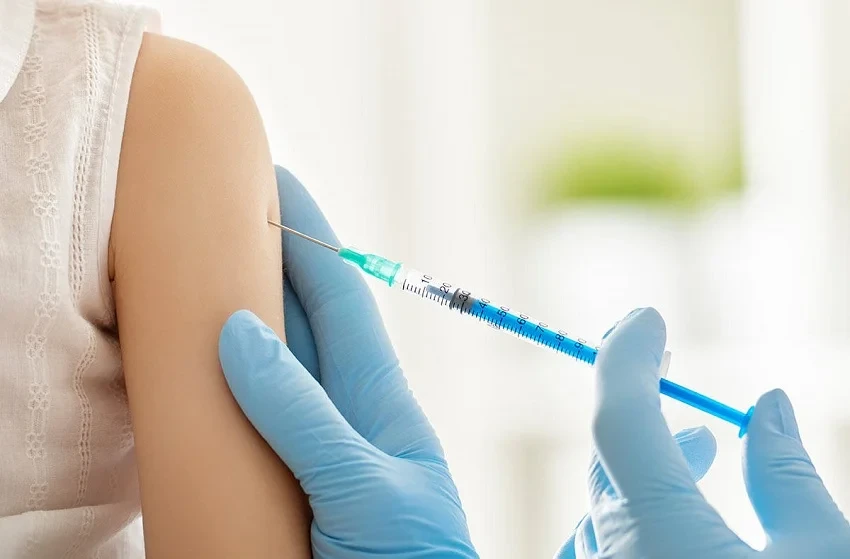




Today, the anti-vaccination stance of parents is becoming a serious problem, leaving many children without necessary protection. Doctors find it difficult to cope with diseases when patients seek help too late, wasting time on self-treatment. One of the most common mistakes is using antibiotics to treat viral infections.

Moreover, the rise of antibiotic-resistant bacteria is alarming, a consequence of their uncontrolled use during the COVID-19 pandemic.
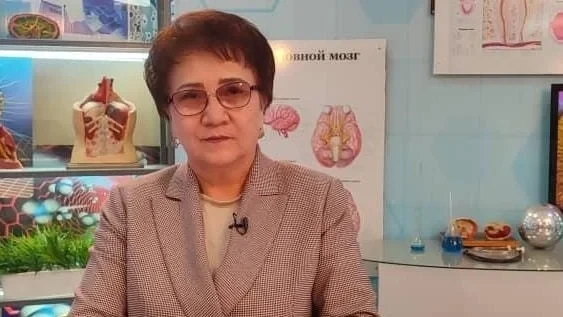
“Frequent and unjustified use of antibiotics, especially cephalosporins, has led to drugs like ceftriaxone becoming less effective. Bacteria have adapted, and in critical cases when a patient needs help, the antibiotic may prove useless. Self-treatment can also be dangerous when people incorrectly choose the dosage or stop taking it as soon as they feel better. There have been cases of fatalities when using antibiotics with lidocaine,” she added.
This clearly demonstrates the consequences of distrust in official medicine and the fascination with "internet advice." The fear of vaccination and reckless use of potent drugs create a dangerous situation for public health.
More serious consequences than just childhood diseases
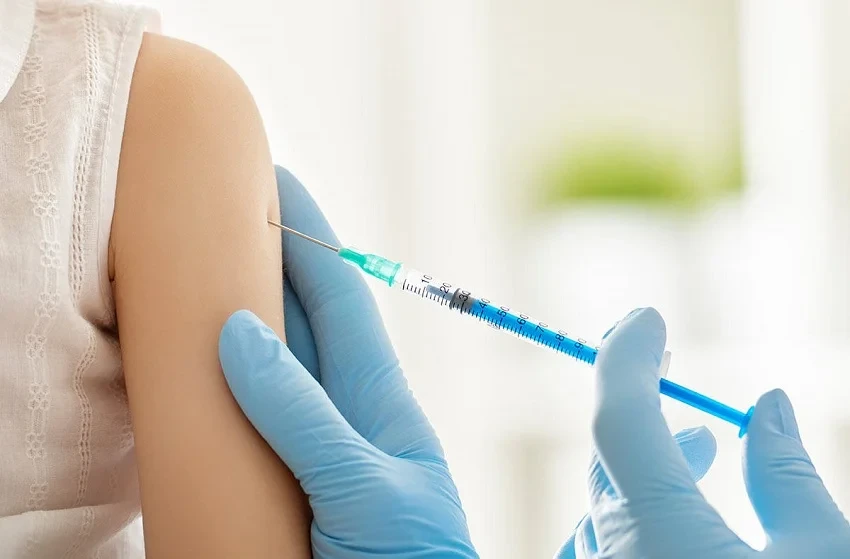
The MMR vaccine protects against three serious viruses: measles, mumps, and rubella. Although the disease can be mild, its consequences can be fatal. Vaccination in childhood is not just a procedure; it is an opportunity to protect the future reproductive function of the child.
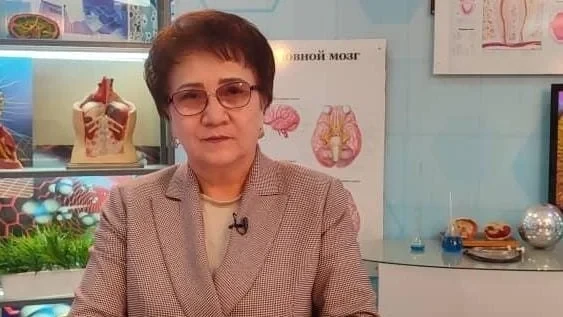
“Mumps is extremely dangerous for teenagers and young men, as it can lead to orchitis in boys over 14, and in girls, it can affect the ovaries, potentially causing infertility. Rubella, although it progresses without complications in children, poses a threat to pregnant women. If a future mother contracts it in the first trimester, it can cause serious developmental defects in the fetus,” noted Damirakhan Chynyeva.

Prevention is more important than treatment
The cost of one dose of vaccine or preventive examination is incomparable to the expenses for treating an advanced disease. A vaccination may cost several hundred soms or even be free, while treating serious complications can cost tens or hundreds of thousands of soms.
Many infections leave long-term consequences. For example, treating heart diseases after diphtheria or chronic joint pain after rubella can last for years and require constant medication expenses. In the context of rising medical service prices, timely visits to a doctor remain the most reliable way to protect against health surprises and financial difficulties.
The head of the infectious disease prevention department at the Republican Center for Health Promotion and Medical Care, Aijarkyn Egemberdieva, emphasizes that vaccination is one of the most effective methods of preventing infectious diseases.

A lack of information and distrust in official sources sometimes leads to refusal of vaccination. Even unverified data from social networks can seem more convincing than statistics and recommendations from specialists. Aijarkyn Egemberdieva urges Kyrgyzstani people to rely on scientific data and official advice from health organizations.
Common myths about vaccination include:
- “The first myth — vaccines cause autism. This theory has been scientifically disproven, and serious studies have not confirmed a link between vaccination and autism.
- The second myth — it’s better to get sick than to get vaccinated. Infectious diseases can lead to serious complications, such as pneumonia or disability. Vaccines build immunity without health risks.
- The third myth — vaccines overload the immune system. In fact, a child's immune system encounters thousands of antigens daily, and the burden from vaccines is negligible compared to natural infections.”

“Vaccination is important at any age. Revaccination against diphtheria and tetanus is recommended every 10 years, hepatitis B vaccination starting at age 21, and annual flu vaccination, especially for the elderly and people with chronic diseases,” added Aijarkyn Egemberdieva.
No strict diets are required before vaccination, but following simple recommendations can ease the process.
“No special preparation is needed, but it is advisable to come for vaccination in a healthy state, without a high temperature and acute symptoms, inform the doctor about chronic diseases or allergies, avoid overheating or overcooling on the day of vaccination, and stay under observation for 20-30 minutes after vaccination. Mild reactions, such as redness or slight fever, are considered normal,” concluded the specialist.