Uzbekistan is aiming for significant progress in the energy sector. During a meeting chaired by President Shavkat Mirziyoyev, ambitious goals were announced to increase electricity generation volumes, which are expected to reach 90 billion kilowatt-hours by 2026. This is 40% higher than in 2020, driven by the country's rapid economic growth.
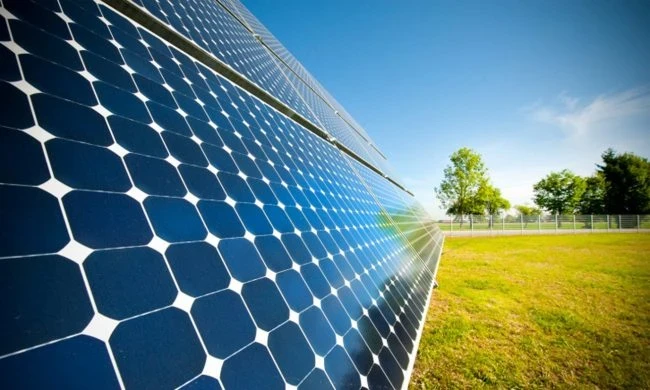
Currently, Uzbekistan's generation capacity stands at 25.8 thousand megawatts, with about one-third of this energy produced from renewable sources such as solar, wind, and hydro energy. The investment portfolio of the sector includes 133 projects totaling $51.4 billion. By the end of this year, Tashkent plans to commission an additional 6.7 thousand megawatts of new capacity while also improving energy storage systems and modern power grids.
Furthermore, the government of Uzbekistan is focusing on improving electricity supply in the Fergana Valley, which involves integrating energy systems with neighboring countries. There is also a goal to strictly conserve resources and implement energy-efficient technologies in large enterprises, which will save about 4.4 billion kWh of electricity by 2026.
Comparison with Kyrgyzstan's Indicators
Kyrgyzstan's energy indicators are currently significantly lower than those of Uzbekistan. According to the National Statistical Committee and the Ministry of Energy of Kyrgyzstan:
In 2024, Kyrgyzstan produced 14.7 billion kWh of electricity, of which about 88% was provided by hydroelectric power stations.
By the end of 2025, production amounted to 15.38 billion kWh, indicating a growth of 4.5%.
Despite the positive dynamics, Kyrgyzstan continues to be an energy-deficient region: domestic consumption exceeds 18 billion kWh, forcing the country to import electricity, including from Uzbekistan.