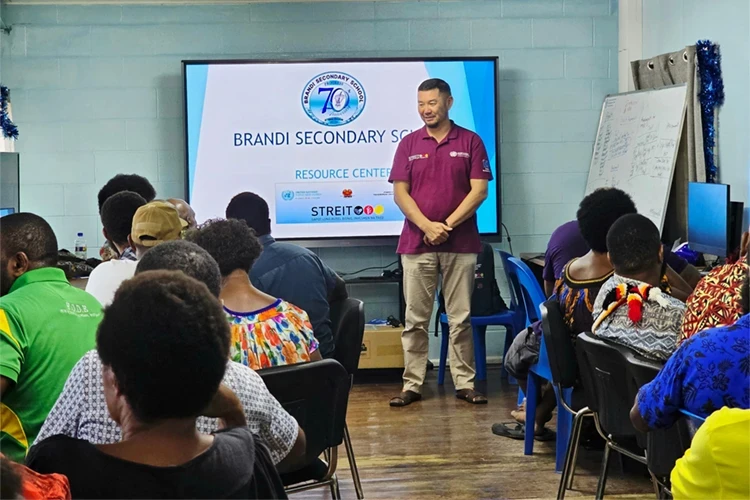
He announced this in his social media post, where he discussed not only issues of public psychology but also the current state of the country's energy sector.
The Problem of Low Tariffs and Growing Consumption
“We have an incorrect psychology. Sometimes, when observing the reckless driving of people, we notice: ‘Do you drive like it’s a company car?’
Daiyrbek Orunbekov
This attitude demonstrates that state resources can be used carelessly and even wasted. This also applies to electricity.
Low tariffs lead many to feel no need for saving. In recent years, there has been an increase in construction, the opening of new factories, and the formation of new settlements, which has significantly increased electricity consumption.
The previously produced volumes of electricity did not meet the full needs of the republic, and now the situation has worsened. In this regard, the government has intensified control over electricity supply in state institutions and introduced a savings regime. Citizens are also advised to use electricity rationally.
Development of Kyrgyzstan's Energy Capacities
Significant projects are being implemented in the country to meet energy needs. The construction of the Kambar-Ata-1 hydropower plant with a capacity of 1860 megawatts is underway. Work has also begun on the second power unit of the Kambar-Ata-2 hydropower plant, which will have a capacity of 120 megawatts. The commissioning of the Kulanak hydropower plant with a capacity of 100 megawatts is planned for 2027.
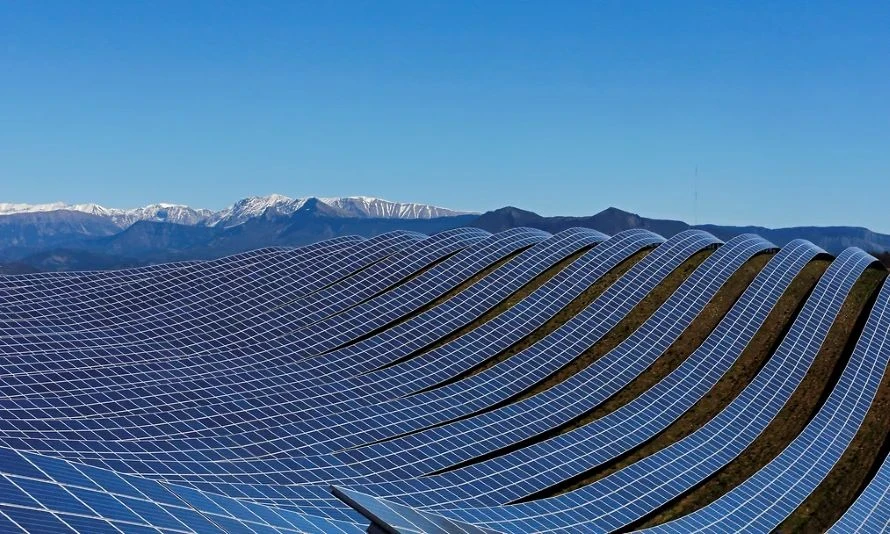
In addition, solar and wind power plants will begin operations in the coming years.
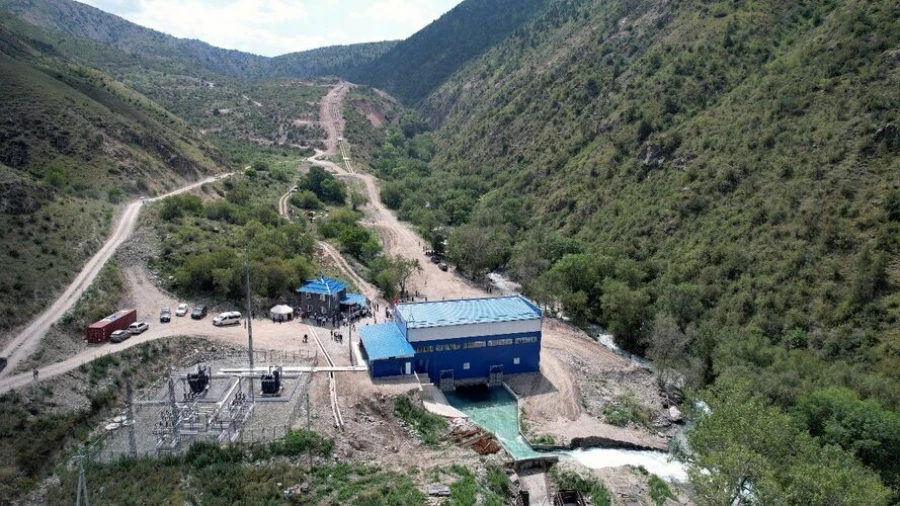
The construction of the Orto-Tokoy hydropower plant is nearing completion. From 2021 to 2025, more than 30 small hydropower plants were built and put into operation.
Plans for 2025:
- Seven small hydropower plants have been commissioned, adding 48 megawatts;
- Four hydropower units at the Toktogul hydropower plant have been reconstructed, increasing their capacity to 240 megawatts;
- A 100-megawatt solar power plant has been launched in the Kemin district;
- A waste recycling plant in Bishkek has started producing 30 megawatts of electricity;
- Two units of the Uch-Korgon hydropower plant have been modernized, increasing capacity by 18 megawatts;
- The Karakol hydropower plant with a capacity of 21 megawatts has been built.
Equipment modernization and the procurement of new technologies are also underway. Currently, about 50 small hydropower plants are under construction. The results of these efforts are expected to become noticeable by 2030.
By that time, Kyrgyzstan will be able to achieve energy independence and even begin exporting electricity.
Caring for the Future: Why Saving Electricity is Important for Energy Security
“If we do not rid ourselves of the indifferent mindset of ‘this is the state’s business,’ we will create problems for ourselves tomorrow. Currently, electricity consumption in the country is 74.274 million kilowatt-hours, while our hydropower plants produce about 57 million kilowatt-hours. At the same time, 167 cubic meters of water per second flow into the Toktogul reservoir, while 769 cubic meters flow out,” he noted.
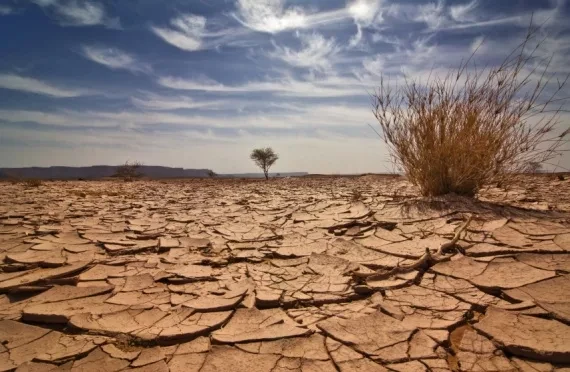
The situation is complicated by climate changes and decreasing precipitation levels, which directly affect river water levels and reservoir filling.
With irrational electricity consumption, there is a risk of water shortages necessary for the stable operation of the energy system.
In conclusion, Daiyrbek Orunbekov urged Kyrgyz citizens to abandon their indifferent attitude towards electricity issues and to treat it with responsibility and patriotism, emphasizing that only joint efforts can help avoid energy difficulties in the future.