The situation with household incomes in Kazakhstan is deteriorating, raising serious concerns. Economic journalist John Sindry emphasizes that last year saw a rise in investor interest in securities from emerging economies, including Kazakhstan, where bonds have become attractive to non-residents.
He also warns that the influx of such carry trade-based investments could lead to destabilization of the financial situation.
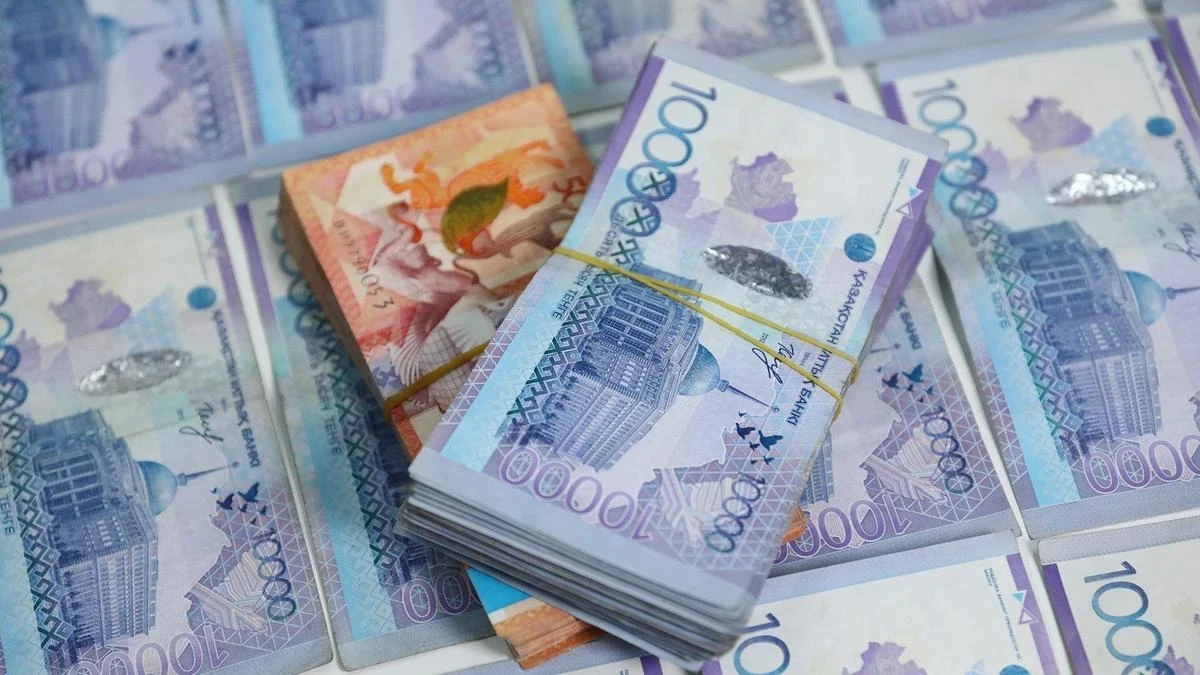
Kazakhstan's bonds, denominated in tenge, offer a potential yield of 16% against an expected inflation rate of 11%, making them more attractive compared to dollar-denominated counterparts. However, investors risk facing currency volatility and changes in monetary policy, which are characteristic of carry trade.
Some countries whose bonds became popular among investors in 2025 have recently faced defaults (such as Zambia and Ghana) or have had to seek financial assistance from the IMF (like Egypt and Pakistan). Nevertheless, over the past decade, the debt market of frontier economies in national currencies has tripled, reaching one trillion dollars. In 2025, this category of assets proved to be one of the least susceptible to fluctuations, as import-dependent emerging economies cannot afford sharp currency swings and resort to active interventions.
According to experts, Ghana and Kazakhstan, which previously issued bonds in dollars and euros, have started attracting "hot money" to develop local markets.
The influx of foreign investments could lead to the strengthening of the tenge (as happened at the end of 2025 after the increase in the base rate), but it is important to remember that "hot money" can leave the market as quickly as it arrived. Analysts note that Kazakhstan, along with Pakistan and Serbia, is increasing its gold reserves as a precautionary measure.
Short-term foreign investments in national currency bonds represent an illusory source of stability and could exacerbate the crisis when investors attempt to exit the market simultaneously through limited options, John Sindry states.
Earlier, analysts warned that the sharp strengthening of the tenge at the end of 2025 could be temporary, and a mass exit of foreign investors from Kazakh securities could lead to an immediate drop in the exchange rate.