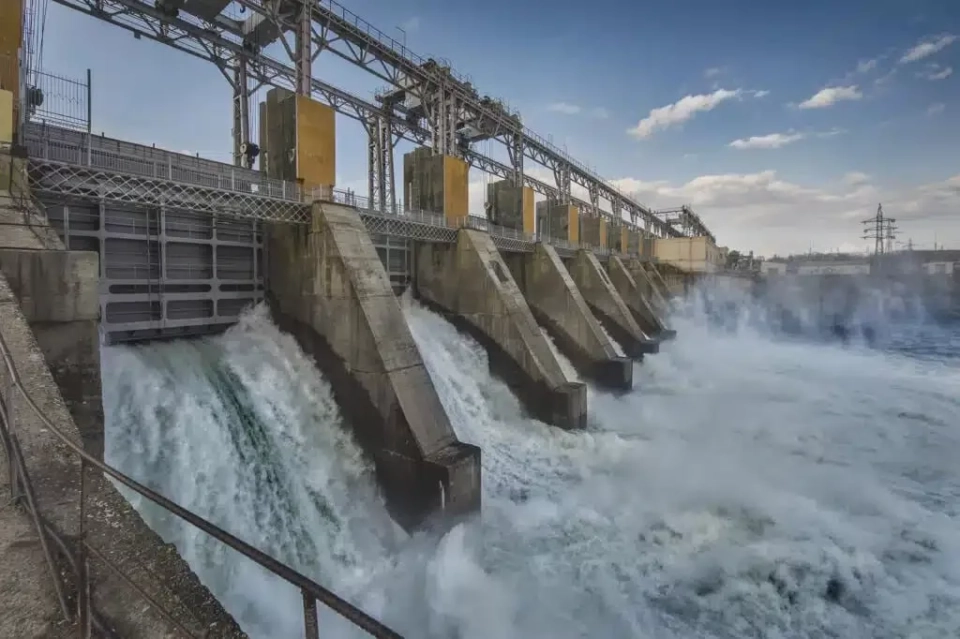
According to Nurzhigitov, there is a significant decrease in the inflow of water into the rivers of southern Kazakhstan in the coming months. As of January 12, 2026, the water reservoir levels in the upper reaches of the Syr Darya River in neighboring countries were 3.2 billion cubic meters lower compared to the same period last year. In the southern regions, the volume of water in reservoirs has decreased by 1.9 billion cubic meters.
The minister emphasized that this situation is due to reduced precipitation during the autumn-winter period, decreased runoff from glaciers, and the overall consequences of climate change. "These problems are long-term in nature and require a comprehensive approach to adaptation," he added.
Nurzhigitov also reported that work on preparations for the 2026 irrigation season has already begun. Currently, restoration work is being carried out on hydraulic structures and irrigation channels, and meetings with rural producers are being organized. "In the regions, we are conducting explanatory activities on the rational use of water and the transition to less water-intensive crops," he noted.
In February 2026, the ministry will present revised water use limits based on the most pessimistic forecasts. "In March, the Ministry of Agriculture will revise the structure of sown areas considering the current water situation," the minister added.
He also highlighted the importance of combating illegal use of water resources. "Together with the General Prosecutor's Office, we have developed an action plan that includes the establishment of an interdepartmental working group involving various state and law enforcement agencies," said Nurzhigitov.
Drought on the Horizon
Previously, Kazakhstan has already faced severe consequences of drought. In the summer of 2025, farmers from the Turkestan region reported mass livestock losses due to a severe drought in the Sozak district, which, according to local residents, had not been observed for 35 years. There was no grass in the pastures, and the cost of feed skyrocketed. Villagers reported livestock deaths and expressed concern that the situation would worsen in winter.Also in 2025, the Minister of Ecology and Natural Resources, Yerlan Nysanbaev, warned of the likelihood of drought in several regions of the country. He pointed to expected dry conditions in the southern part of Kostanay region, West Kazakhstan, Mangistau, Kyzylorda, Almaty, Zhambyl, Karaganda regions, as well as in certain areas of Aktobe, Atyrau, Abai, and Turkestan regions.
Experts from Kazhydromet noted that changes in temperature and precipitation patterns would lead to an intensification of drought, especially in the southern and western regions of Kazakhstan.