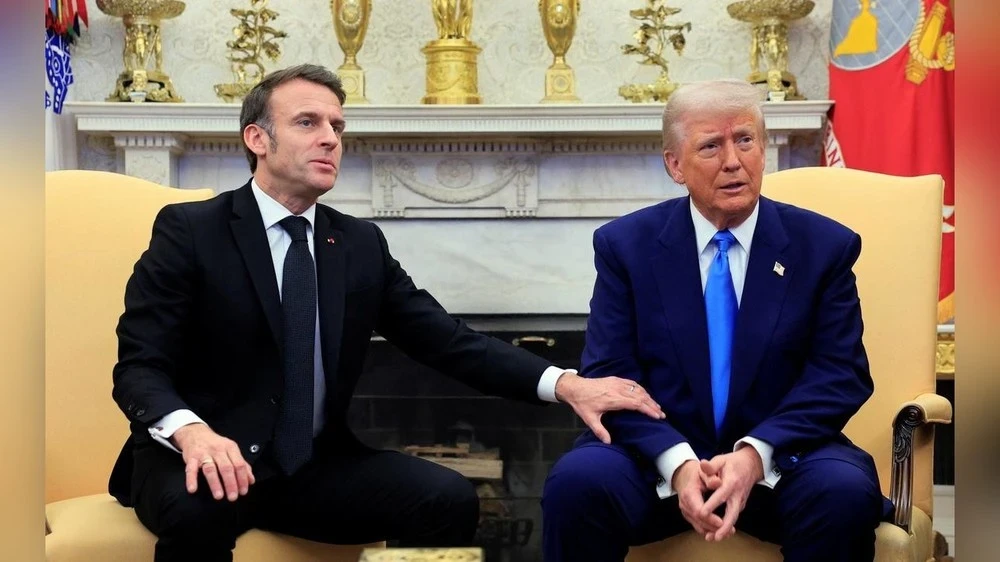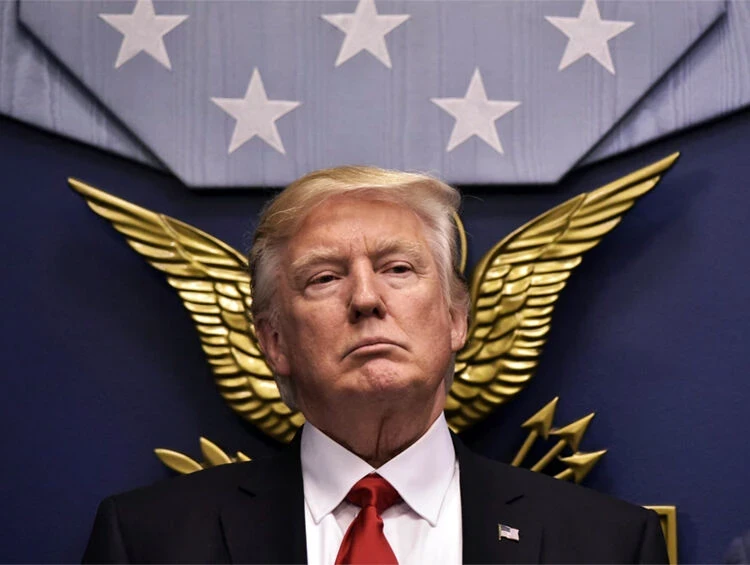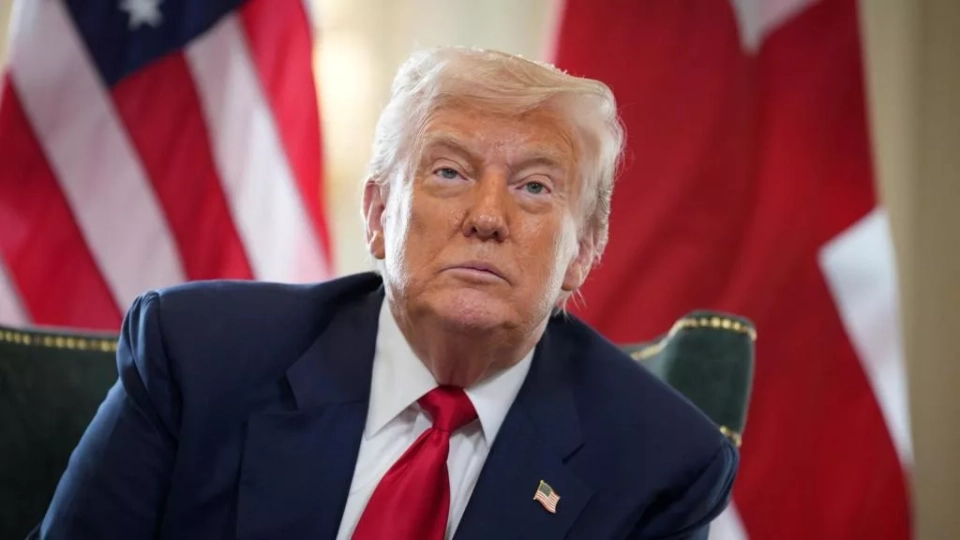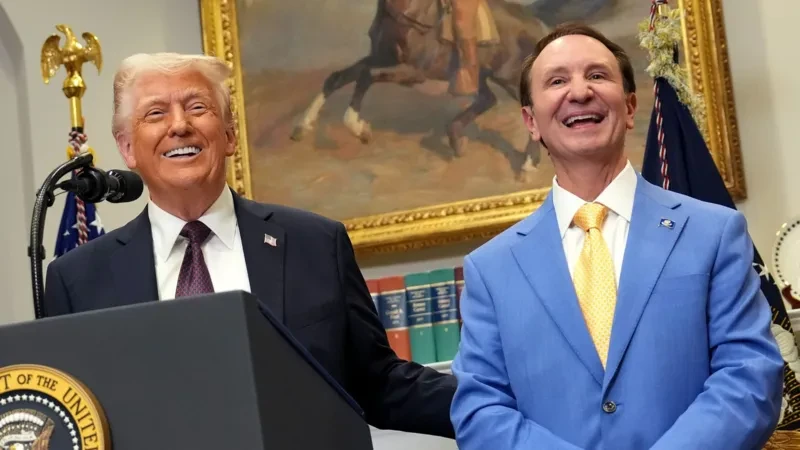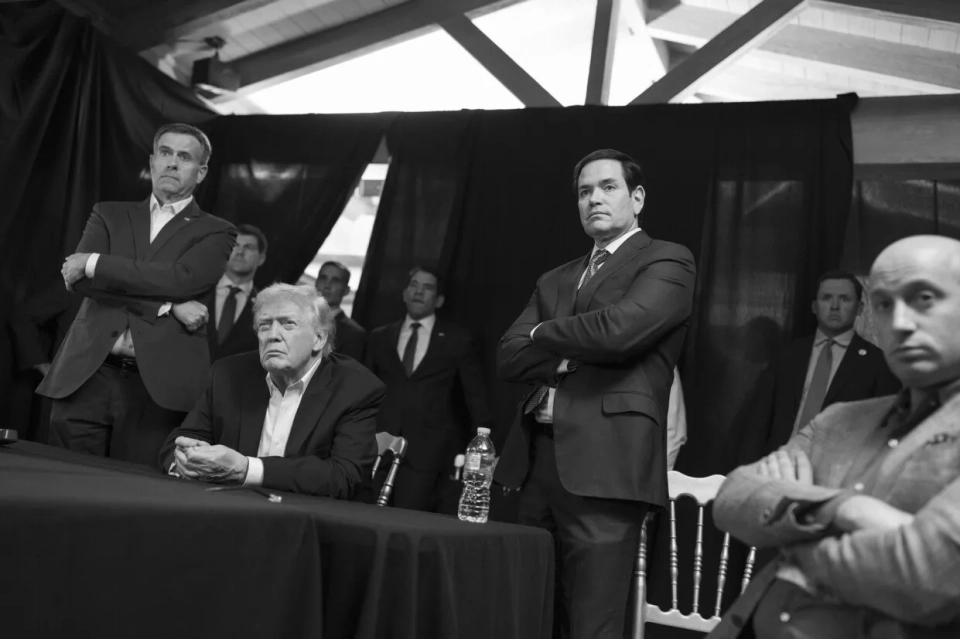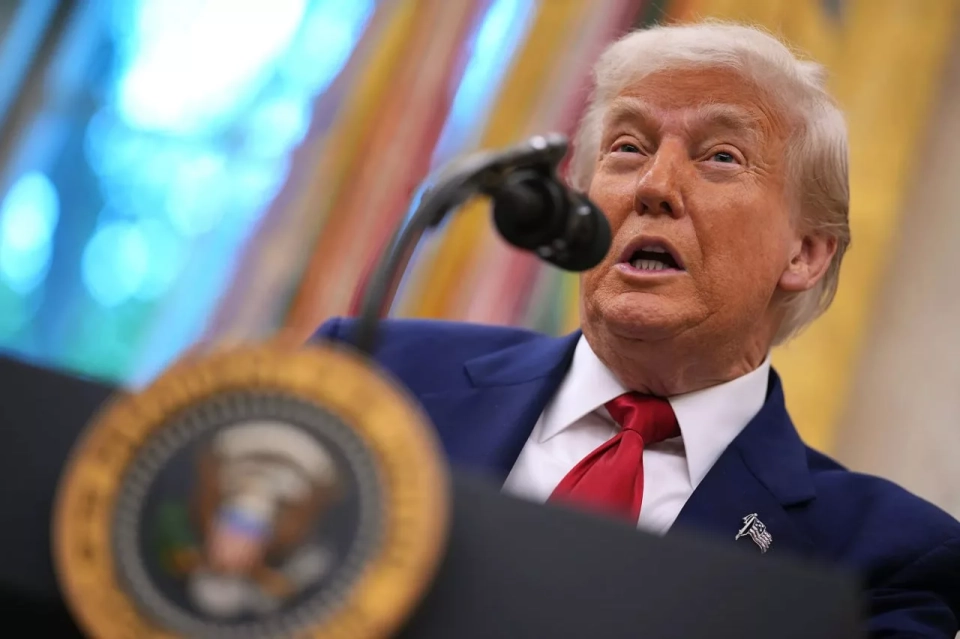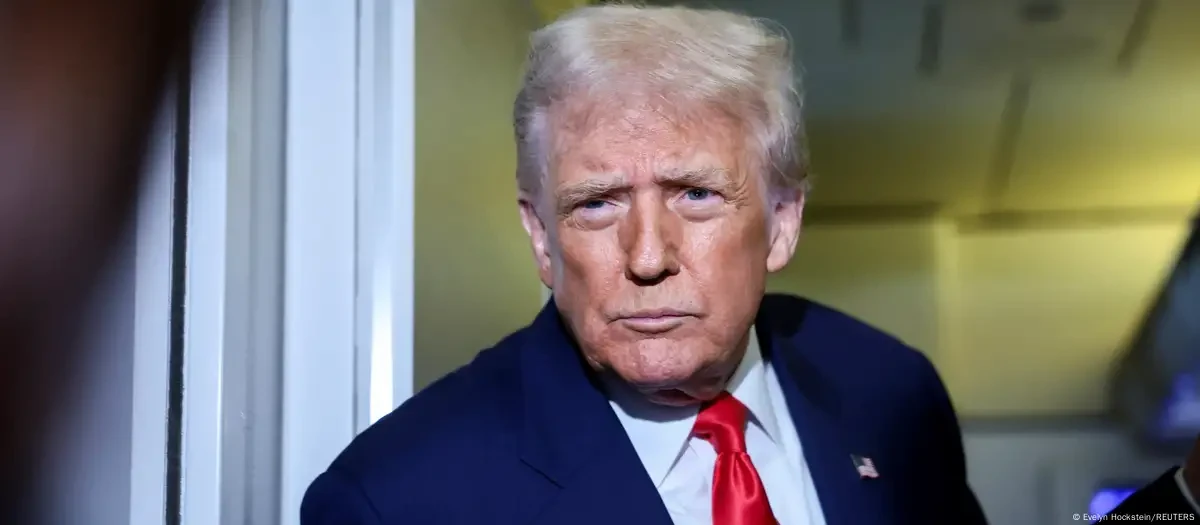
U.S. President Donald Trump threatened his French counterpart Emmanuel Macron with 200% tariffs on French wines and champagne if he does not agree to participate in the "Council of Peace."
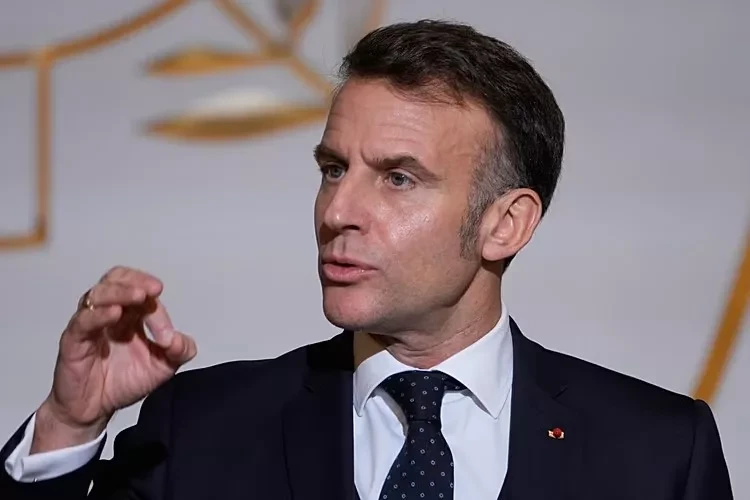
Earlier, Macron had already expressed his unwillingness to participate in Trump's initiative. Journalists decided to find out what the U.S. president thinks about this.
“Oh, he said that? But no one invited him there. In any case, he will be leaving office soon, so what difference does it make? If he continues to be stubborn, I will just impose 200% tariffs on French wines and champagne — and he might reconsider. Although he doesn’t have to join. As you know, he won’t be in power in a few months,” Trump replied.
Using tariffs as leverage is standard practice for Trump. The "Council of Peace" seems to be an attempt to create a platform where the U.S. can dictate its terms. The threats directed at Macron highlight how personal these international disputes have become for him.
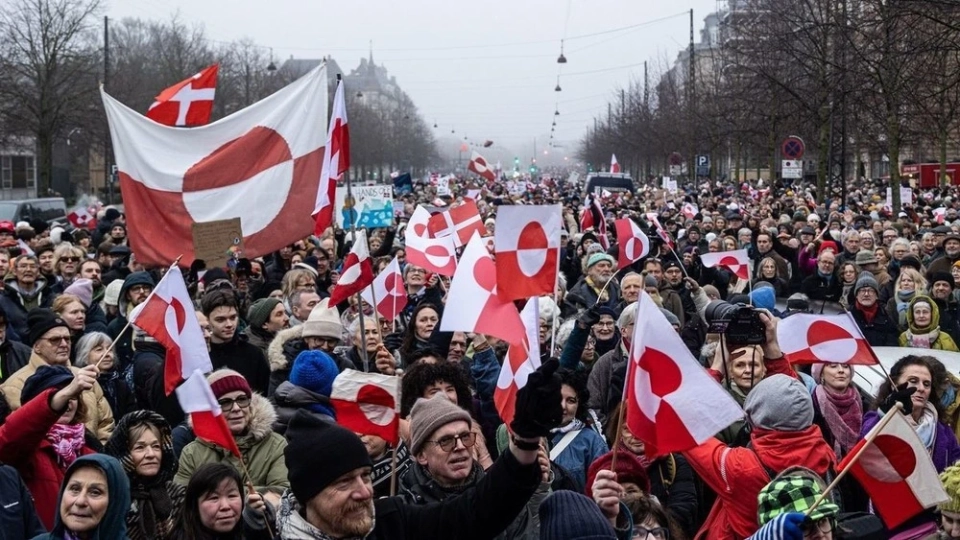
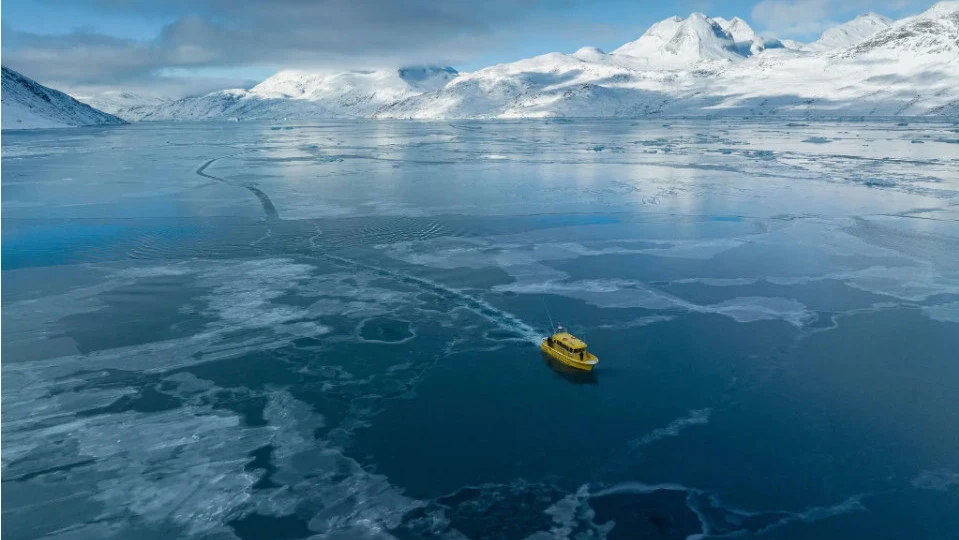
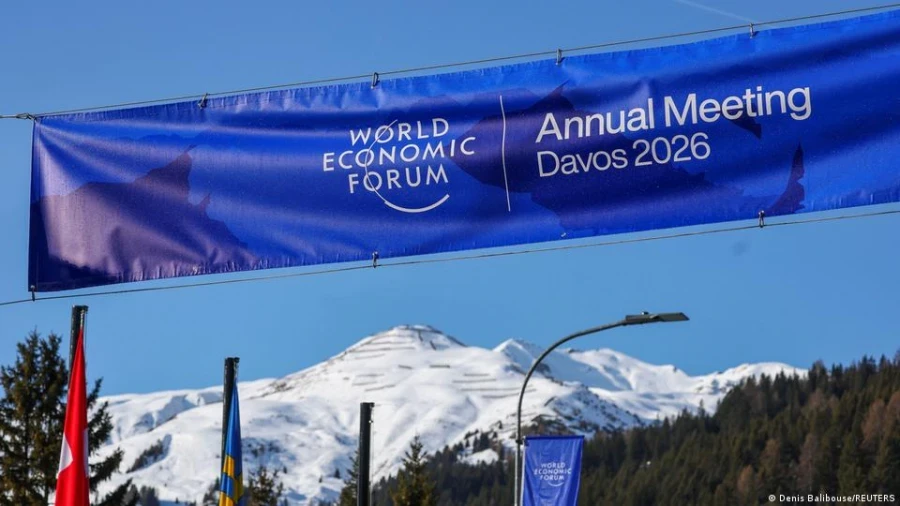
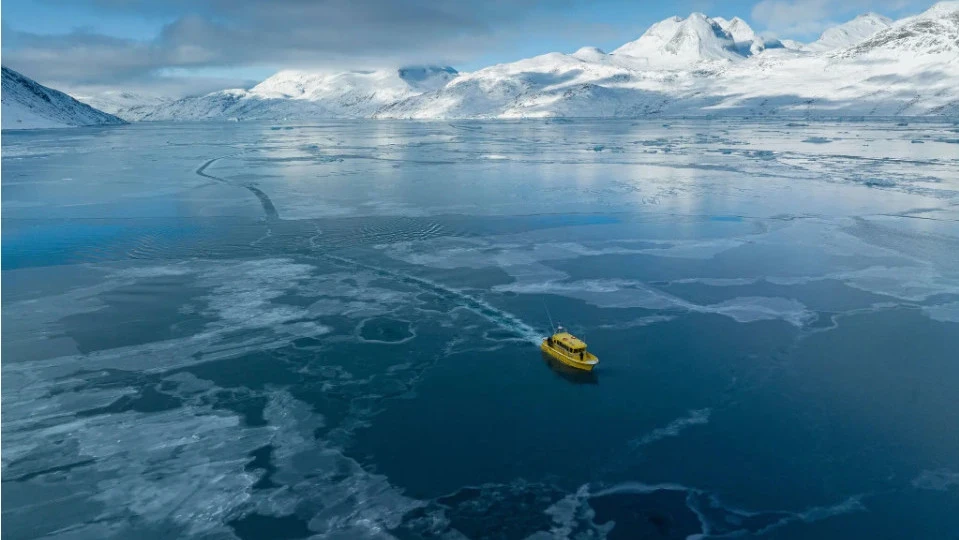
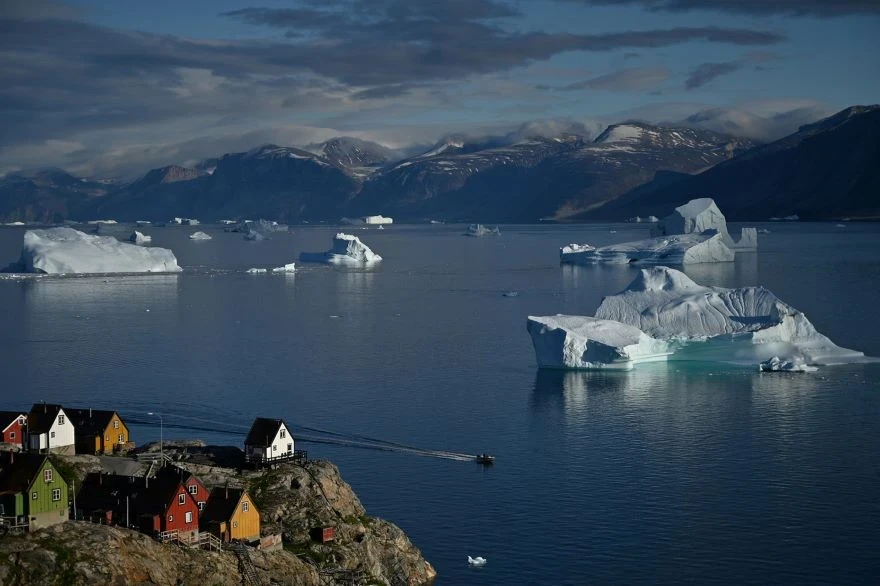
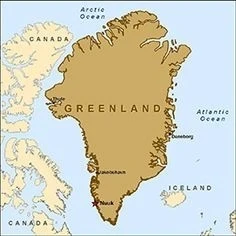
According to media reports, ahead of the World Economic Forum in Davos, Trump heightened tensions by publishing maps depicting Greenland as part of the U.S.
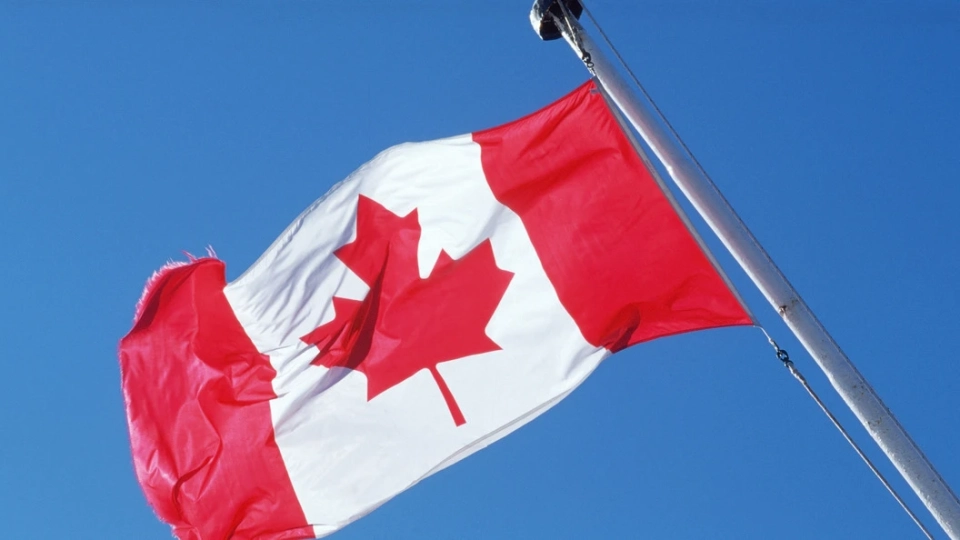
On the eve of the forum, the president posted a series of images on his social media platform Truth Social, which many perceived as provocative. One of the maps, created using artificial intelligence, highlighted Greenland, Canada, and Venezuela in the colors of the American flag.
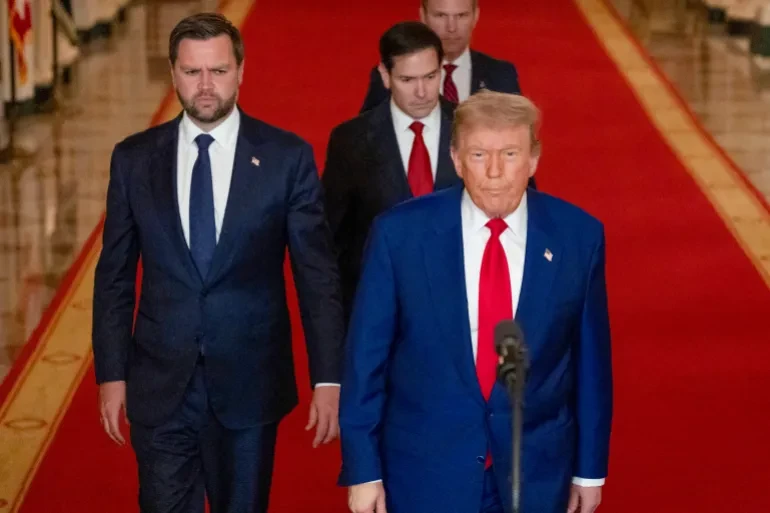
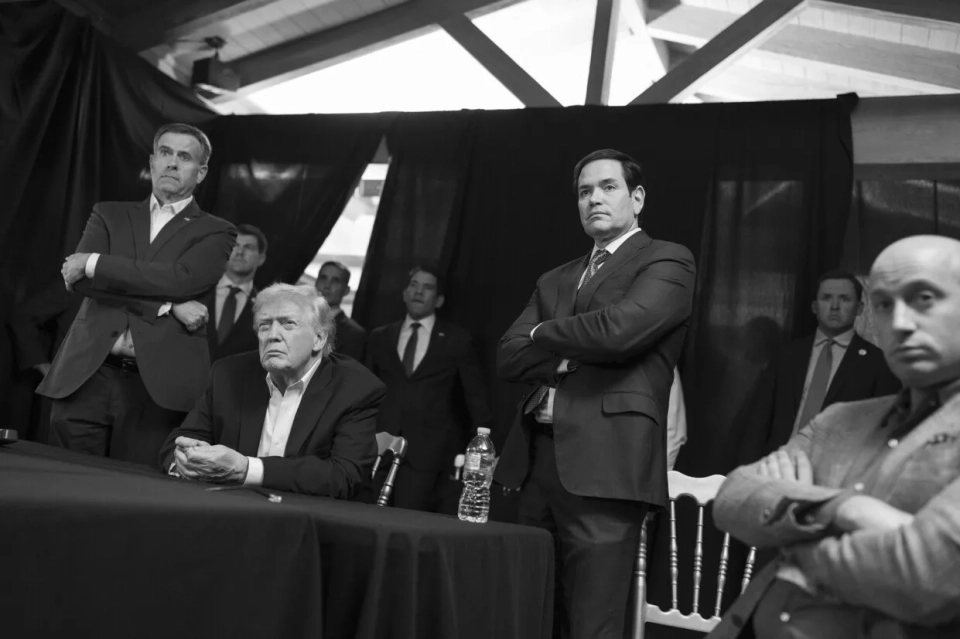
Additionally, in another image, Trump, along with Vice President Jay D. Vance and Secretary of State Marco Rubio, is shown planting the U.S. flag on Greenlandic soil with the caption “Greenland — U.S. territory, established in 2026.”
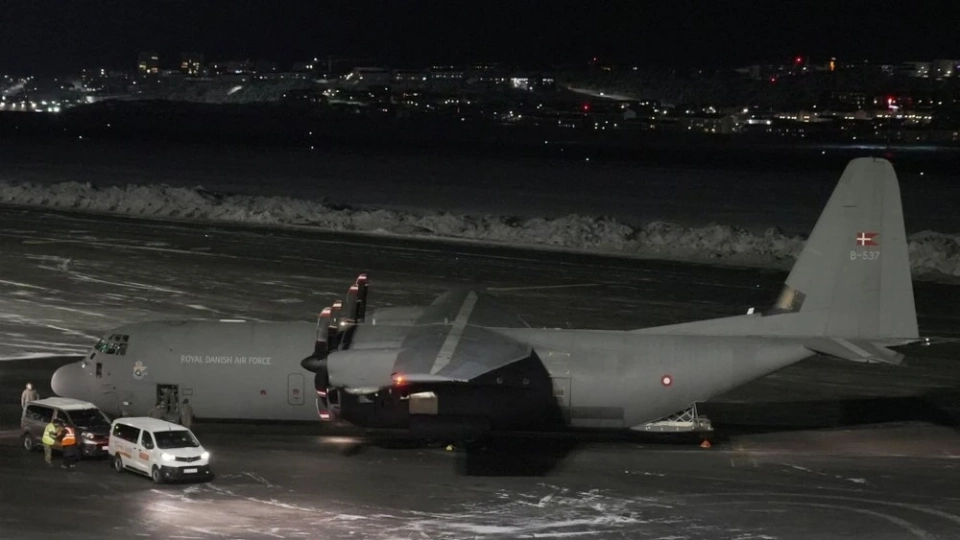
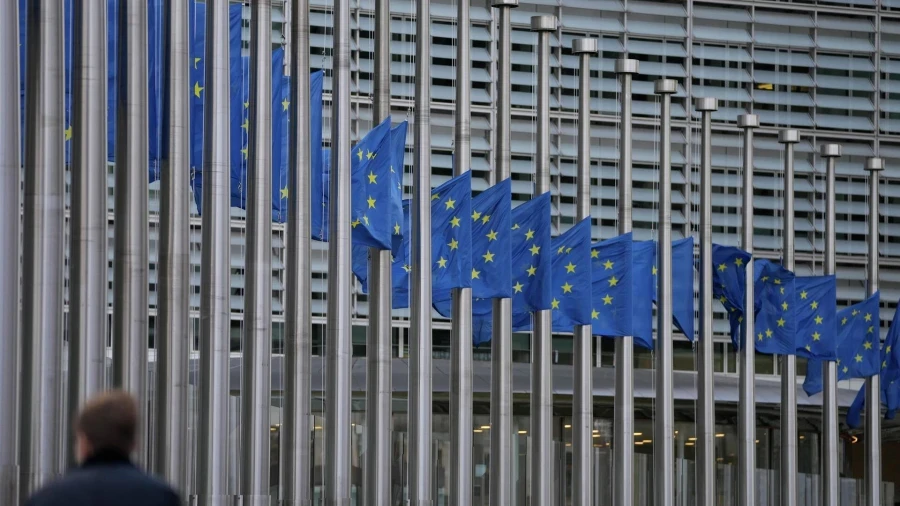
President Trump has long emphasized the need to gain control over Greenland, citing national security concerns and criticizing Denmark and Europe for their "insufficient protection" of the island. These publications coincide with his threats to impose tariffs against European countries that do not share his viewpoint.
According to Reuters, Trump reaffirmed his determination regarding control over Greenland, stating that “there is no turning back” on this issue, despite growing discontent from EU and NATO countries.