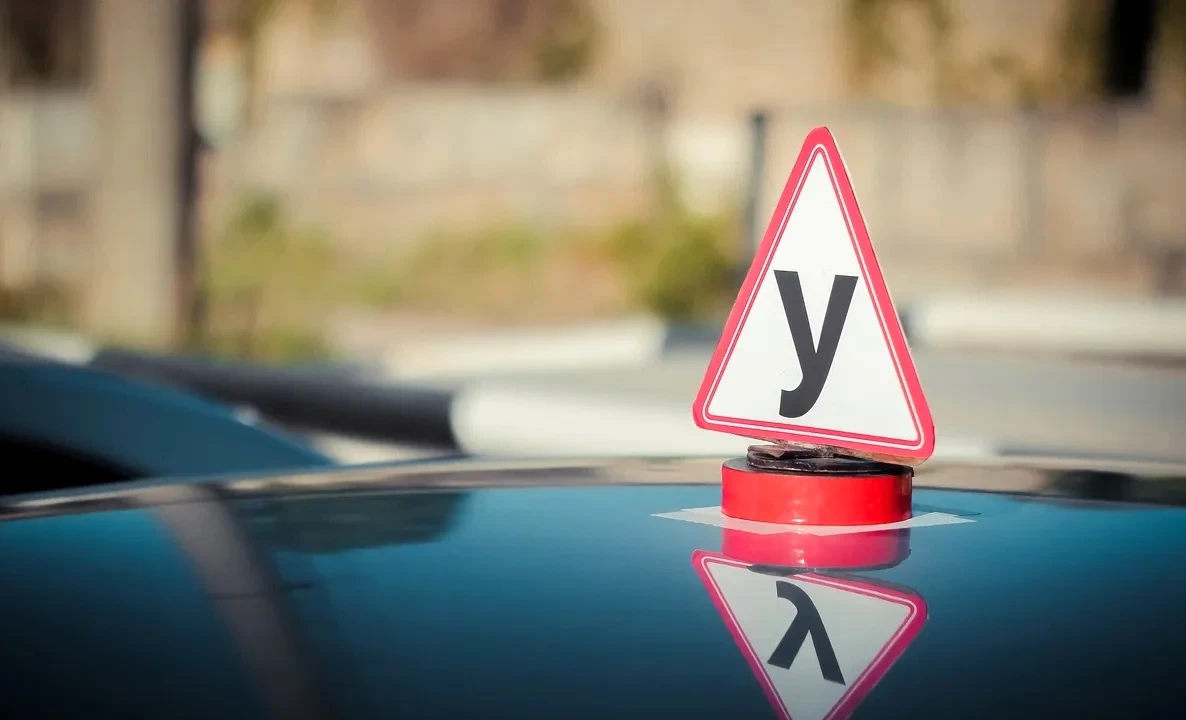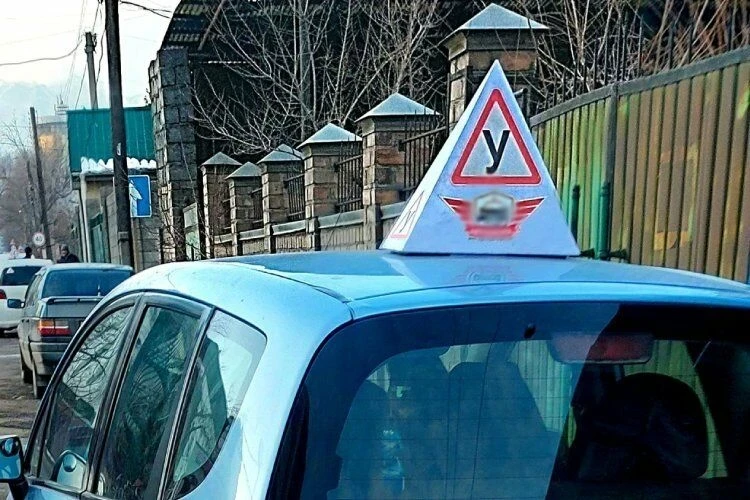
Starting in 2026, a large-scale reform in the field of driver training will begin in Kyrgyzstan, aimed at bringing driving school education under strict state control. These changes affect one of the most popular educational services in the country. However, instead of a smooth transition, the market has faced uncertainty and the actual closure of many driving schools.
Previous state of the system
In 2025, there were approximately 340 driving schools operating in Kyrgyzstan, of which 74 were state-owned and 266 were private. The cost of training ranged from 15,000 to 20,000 soms, while practical lessons were charged separately — from 600 to 900 soms per lesson. Training lasted about 2.5 months, allowing for a quick acquisition of a driver's license.
Although the market appeared competitive in formal terms, government bodies began to point out systemic flaws: low quality of training, corruption, the sale of driver's licenses, and a formal approach to exams.
Changes since the end of 2025
Before the start of the reform, authorities imposed a moratorium on issuing new licenses to driving schools, and from 2026 stricter measures came into effect: access to the state database of trainees was closed, and the enrollment of new students was suspended. As a result, about 50 educational institutions ceased operations.
In one of the closed driving schools, 24.kg reported that trainees would be able to complete their training and take exams, but the school's further operations were temporarily suspended.
Representatives of other driving schools claim that decisions were made without prior notice, causing misunderstandings and increasing tension in the industry.
“We are in a state of uncertainty. We are conducting this driving course for the last time, and we are not accepting new trainees,” shares the director of one of the driving schools in Bishkek.
In the market's corridors, there is a discussion that some driving schools were unofficially advised not to enroll new students in 2026. As a result, those who ignored the warning found themselves completely cut off from the database.
Government position — “cleansing the system”
Authorities emphasize that the main goal of the reform is not the elimination of the private sector, but the improvement of driver training quality and the fight against corruption.
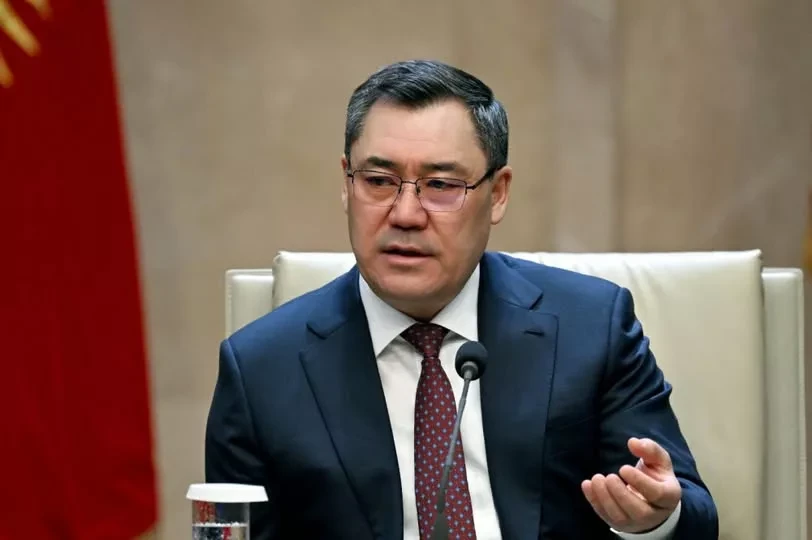
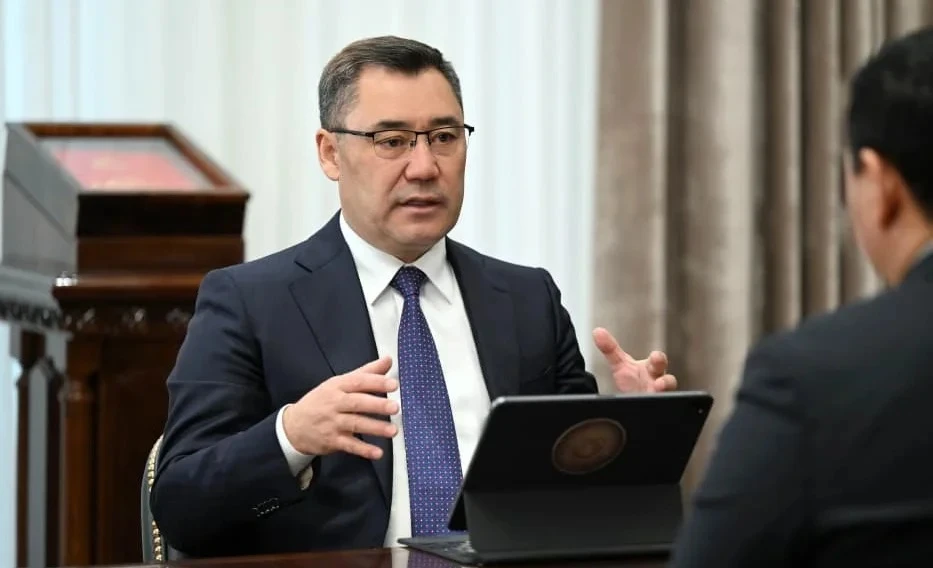
Kanybek Tumanbaev, the president's chief of staff, highlights that training will only be conducted in driving schools under state control: “The reform is not aimed at excluding anyone, but at cleansing the system. These measures will not be liked by those who have turned the sale of driver's licenses into a business.”
The increase in traffic accidents in 2025 (over 10,000 accidents) compared to 2024 (7,423) is not coincidental.
This is a consequence of a system that has long been ignored.
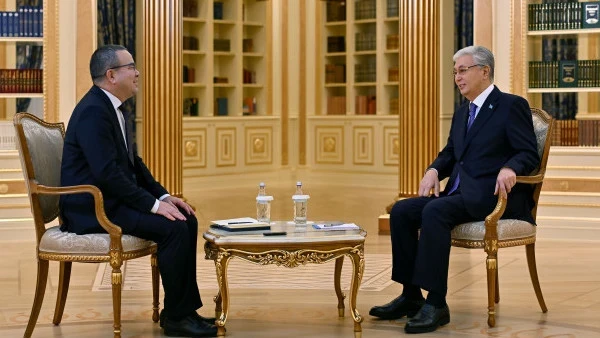
“Previously, driver's licenses could be bought in private driving schools, which led to numerous accidents. Low driving culture and irresponsible attitudes towards training have caused disorder on the roads, resulting in people dying and becoming disabled,” Kanybek Tumanbaev stated in an interview.
New training conditions: longer, but “cheaper”?
From mid-February 2026, it is planned to start accepting applications from driving schools for training under new standards, which imply a longer and more systematic training process.
Comparison with international practice
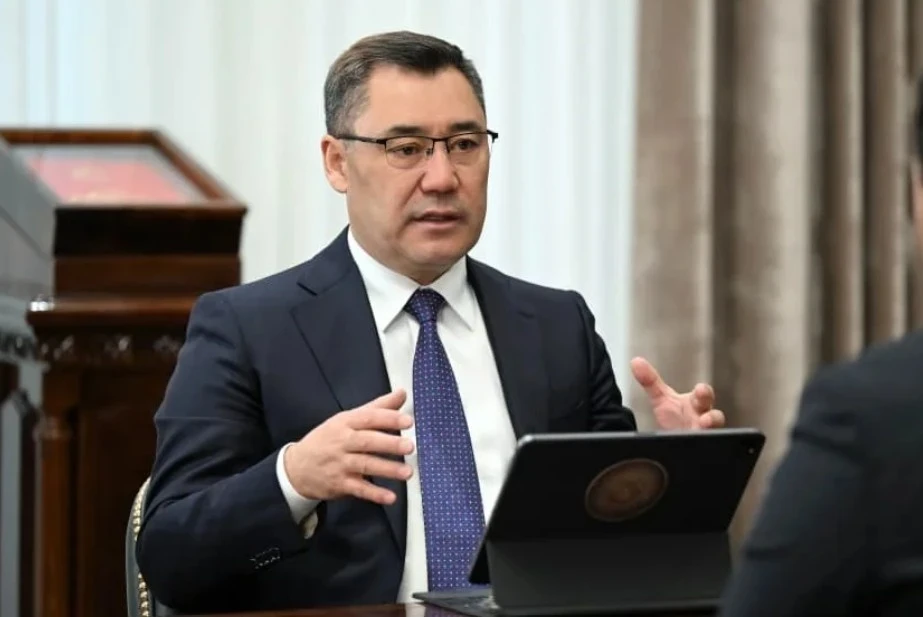
According to Dairbek Orunbekov, head of the information policy of the presidential administration, the official cost of training will be 19,000 soms, but the duration will increase to 10 months. At the same time, expenses for fuel, practical lessons, and other costs will be paid separately by the trainees.
Authorities consider the new model more affordable, comparing it to previous private driving schools, where the total cost of training reached 35,000-36,000 soms. However, representatives of driving schools argue that previously a significant portion of expenses was flexible and depended on the volume of practical lessons.
International experience: how drivers are trained in other countries
Comparing the duration and approaches to training in various countries shows the absence of a universal standard.
Russia
In 2025-2026, training for category B in Russia on average takes from 3 to 4.5 months (11-12 weeks). The full course includes about 190 hours, a significant portion of which is devoted to theory, lessons on the driving range, and in urban conditions, as well as internal exams before being allowed to take state tests.
USA
In the United States, training periods are shorter — from several weeks to one or two months. Much depends on the state and the age of the student. Teenagers often undergo training as part of school programs, while adults choose accelerated courses. The process of obtaining a license includes mandatory theoretical and practical exams.
Japan
The Japanese system is considered one of the longest and strictest. Training in driving schools takes an average of about six months. The program includes in-depth theoretical study and at least 31 hours of practice — both on a closed range and in urban traffic conditions. The main focus is on discipline, safety, and road behavior culture.
Europe
In most European countries, training lasts from two to five months. Typically, there are no fixed durations — it continues until the student is deemed ready for the exam. In Germany, for example, waiting for a practical exam can extend the entire process to four months or more, even with intensive lessons.
Driving schools and future drivers awaiting reform
The reform of driving schools in Kyrgyzstan aims to radically change one of the problematic areas. However, the rigidity and opacity of the transition period cause serious dissatisfaction from the business sector. The success of the transformations largely depends on whether the authorities can provide transparent rules, timely information, and a real balance between state control and market demands.
Despite the declared intentions and references to international experience, the driver training system in Kyrgyzstan remains in a transitional and uncertain state.
The question remains open: will private driving schools transition to full state management or will they be offered another format of operation? Equally important is whether the 10-month training program announced by the authorities will be ready by February, and whether it can be implemented smoothly in practice.
At the moment, the system is in a state of waiting — both for driving schools and for thousands of potential drivers.