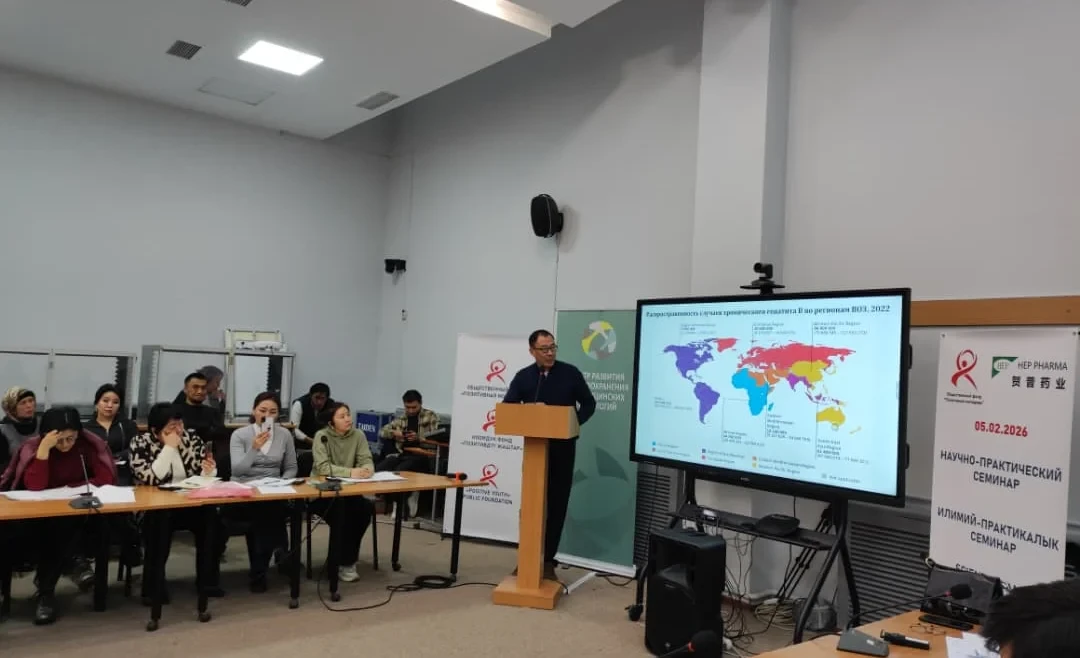
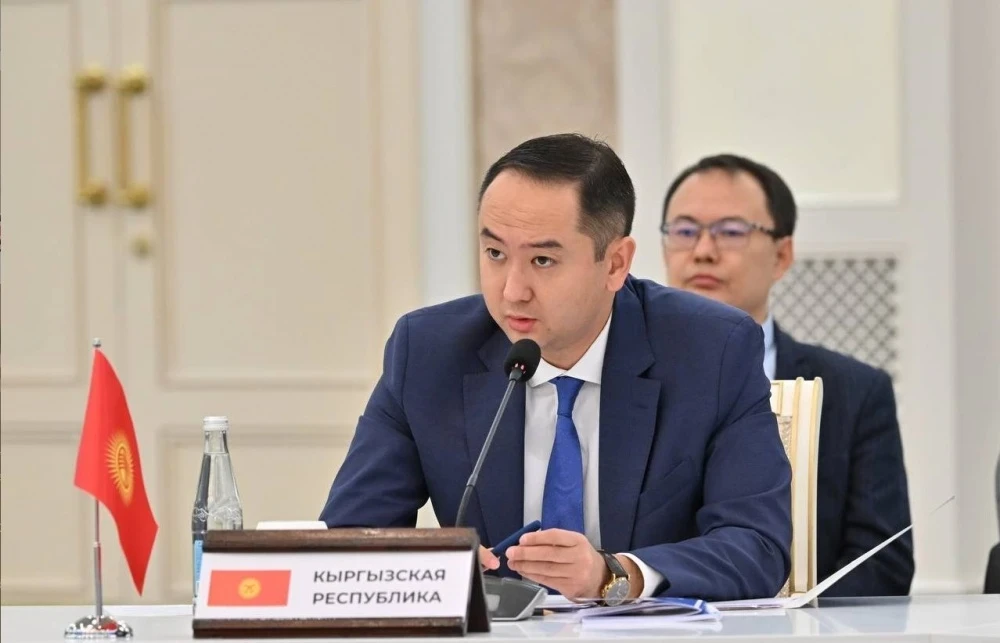
As Sultangaziev noted, despite government efforts, many people with hepatitis C remain outside the diagnostic and therapy system.
“Over the past three years, about seven thousand treatment courses have been purchased with state funds, and laboratory studies are also being conducted. However, according to our estimates, as well as those of the government, there are between 50,000 and 100,000 people in the country who have hepatitis C and are not even aware of it,” he emphasized.
Vulnerable Population Groups
The expert expresses particular concern about vulnerable groups, such as people without financial means, without documents, foreigners, prisoners, and injection drug users, as they often cannot access medical assistance.“These people do not have the opportunity to undergo diagnostics and treatment. Nevertheless, the prevalence of hepatitis C among these groups is quite high, making them potential sources of infection for society,” explains Sultangaziev.
Another serious problem is the disruptions in reagents for laboratory tests in state institutions, which makes it impossible to provide free testing for all analyses, forcing people to turn to private laboratories. According to Sultangaziev, the cost of a PCR test, which is necessary for diagnosis and treatment monitoring, in commercial institutions is about 3,500 soms, while a biochemical blood test will cost around 3,000 soms. “Thus, at the initial stage, a patient needs to spend about 7,000 soms, and after completing treatment, they need to undergo another PCR test. For many, these amounts are unaffordable,” he adds.
According to him, the cost of a treatment course in pharmacies is approximately 30,000 soms, where one package costs about 10,000 soms.
“I would like to emphasize that within the framework of our project, all these services are provided free of charge,” said Sultangaziev.There are also organizational difficulties, such as long queues at family medicine centers, a shortage of infectious disease specialists, and seasonal spikes in ARVI.
“We observe this on the ground. Therefore, we created a system that allows people to undergo testing through our partners - NGOs or social services, and receive referrals regardless of their place of residence. Patients are directed to commercial laboratories with which we have agreements. We receive test results the next day, after which social workers contact the patient and accompany them until treatment begins. We operate in Osh, Talas, on Issyk-Kul, and cover the entire Chui region - from Tokmok to Kara-Balta,” added the director of the health programs association "Partnership Network."
“In the future, we plan to scale this approach so that similar programs can be implemented by other organizations. We have gone through all the necessary licensing procedures, integrated into state reporting systems, and interact with relevant services,” shared Sultangaziev.
“We are open to anyone in need of treatment for chronic hepatitis C,” he concluded.Contact numbers for the medical center:
- 0555 906 906;
- 0503 906 906.
You can also contact us through the "Partnership Network" association's social media pages.