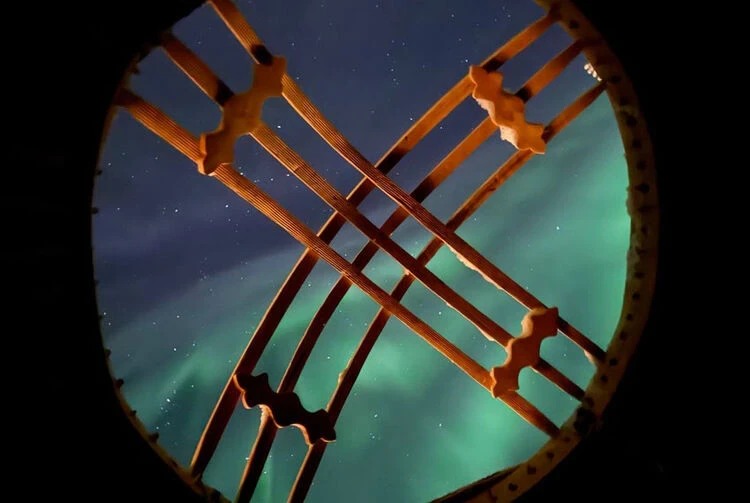
Finland has managed to turn the myth of Lapland into a thriving tourist industry, where every element has its price. The northern lights, Santa Claus, reindeer, and huskies have become part of a carefully thought-out business strategy.
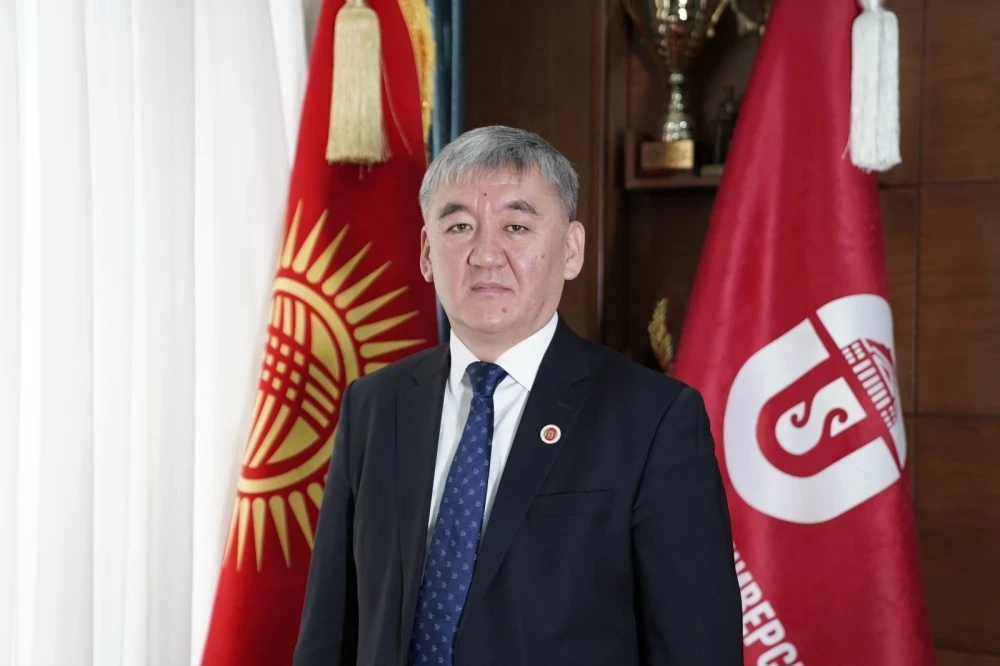
In an interview with 24.kg, Kamchybek Zamirbekov, the head of Ethno Yurts, shared his thoughts on how Kyrgyzstan can leverage its cultural identity for similar success.
— What impressed you during your trip to Lapland? What experience can you share with Kyrgyz people?
— Finns are truly creative people. Remember how in childhood we read fairy tales about Lapland? This mythical land was originally described by Finnish authors as a cold place where the Snow Queen lives. We also have the notion of Santa Claus as his homeland.
But this myth did not remain only on the pages of books. The Finns thought: if people believe in Lapland, why not turn it into a real tourist destination?
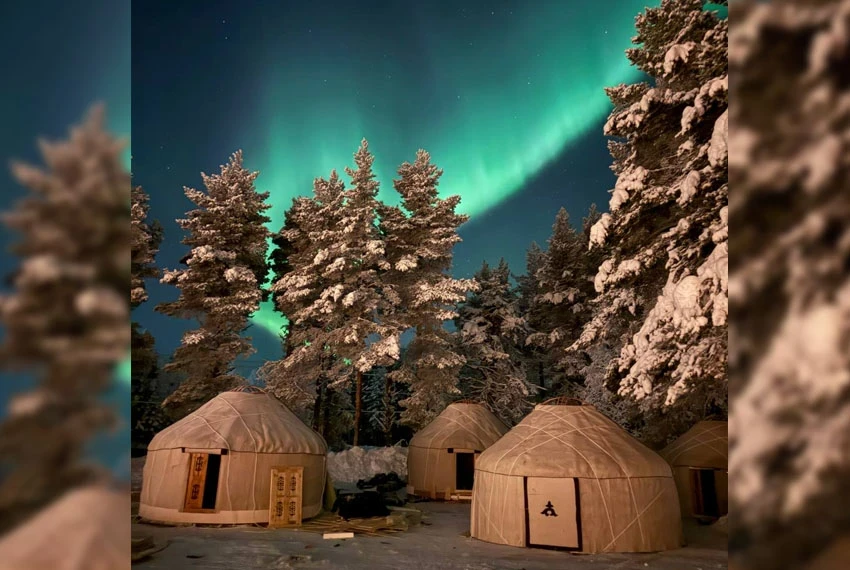
Rovaniemi, a city on the Arctic Circle, is considered the capital of Finnish Lapland. In winter, you can see the northern lights here, and in summer, enjoy the midnight sun. We arrived there to set up yurts for Christmas — on December 24-25.
Even at the airport, we were immersed in a fairy-tale atmosphere: Santa Claus's office, post office, and elves created a festive mood. We were amazed at how commercialized everything was — every step has its price.
For example, meeting Santa Claus costs 150 euros, and if you want to add a gift, it will cost an additional 1000 euros.
One of the symbols of Lapland is the reindeer. The opportunity to see it costs 50 euros, and oats for feeding it cost another 10 euros.
Huskies are also an important part of the local business: dog sledding costs 200 euros per person.
People come to Finland with their families and do not spare money, as it is real magic and unforgettable emotions. New Year is celebrated there for about two months, and during this time, the flow of tourists does not cease.
— According to the UN, Finns have been considered the happiest people for many years. What do you think about this?
— I would not agree with that. They have their problems, just like everyone else. We spent a month there and noticed that life, in general, is similar to ours.
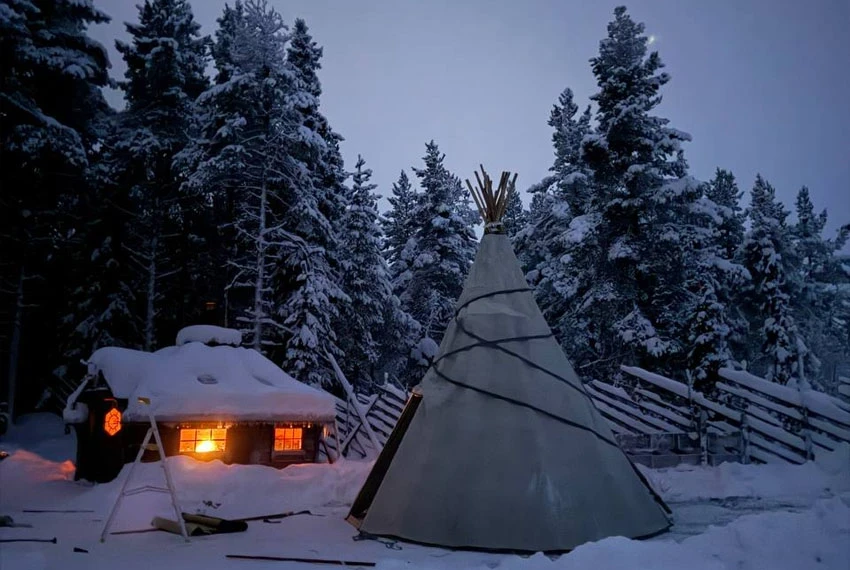
— How did you work in extreme cold? How did you cope with low temperatures?
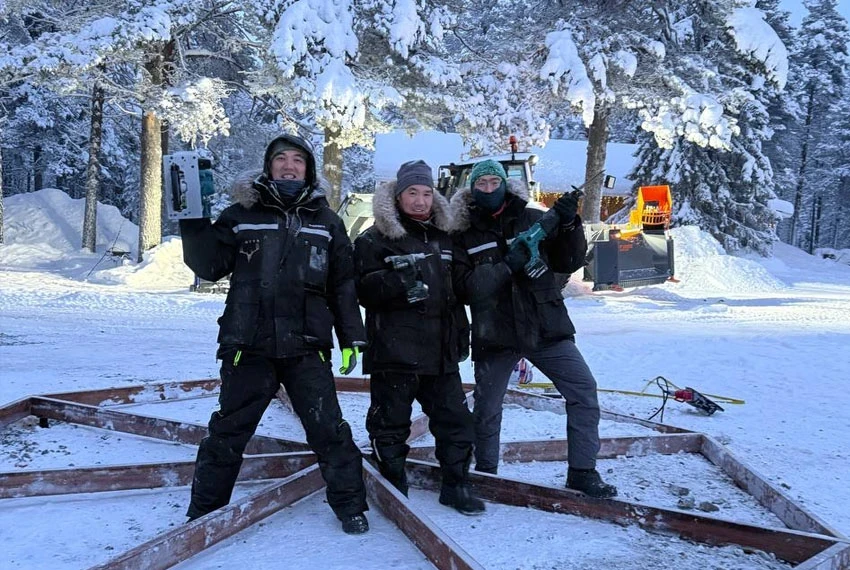
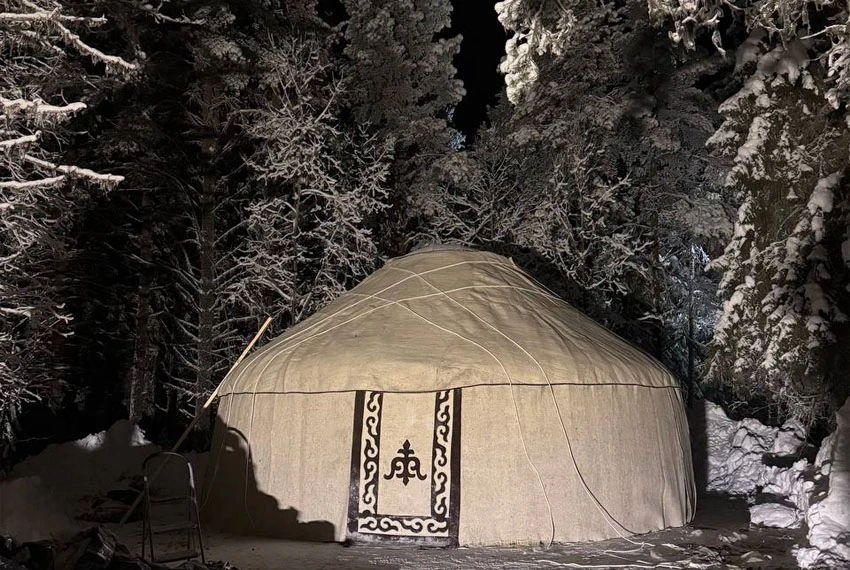
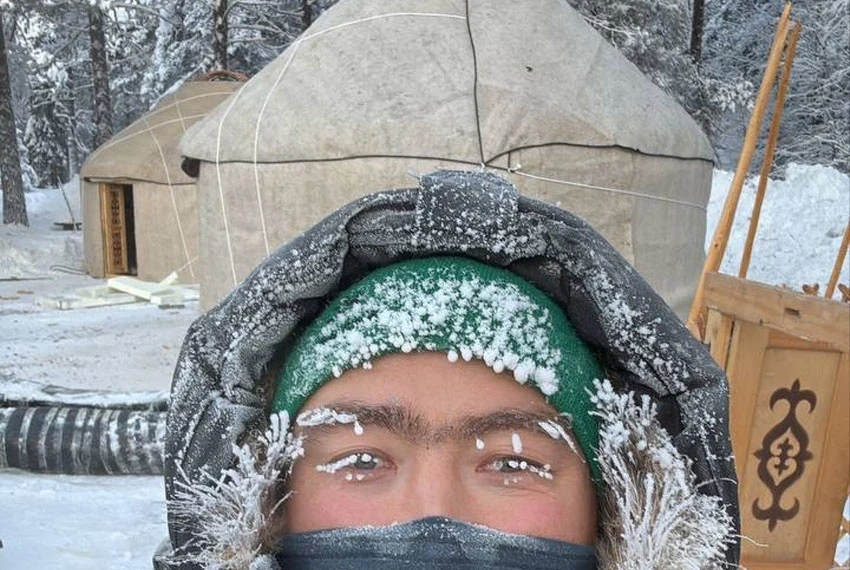
— We set up eight residential and four exhibition yurts for a Finnish eco-village. The work took place under challenging conditions: the temperature dropped to -42 degrees. However, all the difficulties were compensated by the stunning landscape and clean air. In Lapland, they care about the environment — only dry wood is used for heating the yurts, and electricity is provided by a nuclear power station.
— Do we have similar problems?
— Yes, and quite serious ones. In Kyrgyzstan, yurts are set up, but they do not always know how to heat them properly, which leads to them deteriorating quickly. They need to be protected not only from rain but also from the sun.
People, not following simple operating rules, conclude that it is too costly and complicated. As a result, they start building houses in the shape of the letter "A" or capsule houses.
But neither of these attracts foreign tourists. They are interested in yurts — the opportunity to stay in an environmentally friendly setting.
Kamchybek Zamirbekov
Unfortunately, many businessmen do not understand this, and they are only interested in current profits, while they lack the desire to develop and learn.
— How did your story with yurts begin? Do you remember how you started your first business?
— In 2010, as a student, I was looking for ways to earn money. At that time, the import of iron yurts from China began.
My uncle worked at customs and saw how people brought yurts across the border. He ordered one for his relatives, and when my mother saw it, she had the idea to order one for our family.
At that time, about 6-7 thousand people lived in our village, but only two families had yurts, and they were old. Previously, they were used only for funerals. My mother decided it was time to update the yurt. She raised money among relatives, and the yurt cost 20,000 soms including delivery and tips.
Thus, we got a new yurt. I thought: why not start ordering them and selling them?
Kamchybek Zamirbekov
I had no funds, so I just took a photo of the yurt and posted an ad on a popular forum at the time called "Diesel." I set the price at 30,000 soms and the condition: 50% prepayment, delivery in 15 days.
The first client appeared only after a month. I received 15,000 soms as a prepayment and contacted my relative at customs.
Through acquaintances among drivers, he ordered a yurt from China. I remember it arrived at the "Madina" market early in the morning, and I invited the client to meet there to receive the remaining money.
Read more on the topic
From yurt to modern theater: how young manaschi are reviving the great epic
Later, my uncle confessed that the yurt cost 18,000 soms because another 3,000 went to logistics and additional expenses, but he didn't tell me that then to support my first business.
After receiving the second part of the money, I immediately paid the bus driver and ordered another yurt.
Today, our yurts are set up all over the world. We not only sell them but also produce them ourselves. For example, we have set up yurts in Canada, near Montreal, and we also have experience in installation in the USA and other countries.
— What projects are you currently working on?
— In the next two weeks, we plan to set up yurts in Oman, the UAE, Turkey, and Uzbekistan.
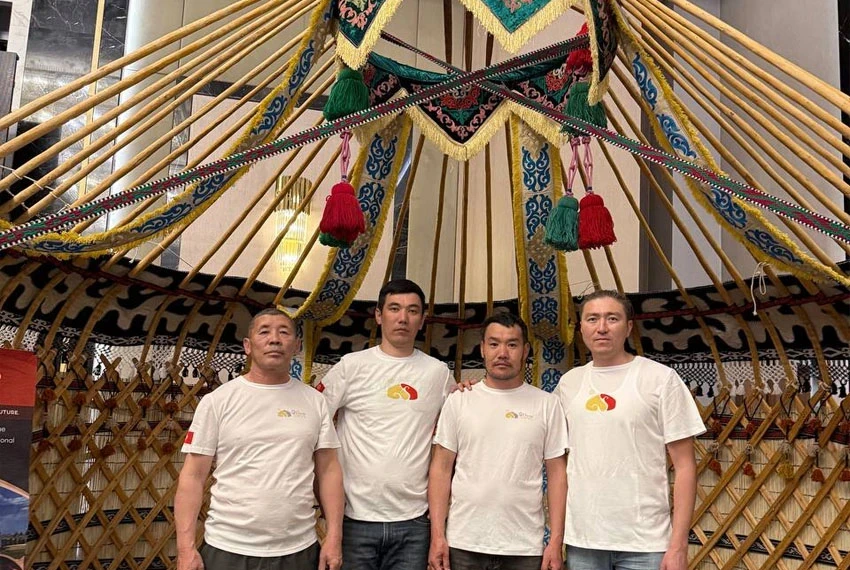
Today, our team consists of about 150 people, and I consider everyone who participates in the process of creating a yurt to be part of it. We source materials in Naryn, threads in Batken, and so on.
— What is your philosophy in business?
— Business should primarily benefit society. The more taxes, the more sales, jobs, and salaries, the stronger the economy.
I do not prioritize personal gain. It is important for me to understand that thanks to my taxes, pensions and teachers' salaries are paid.
— How do you see yourself?
— I was an introvert, grew up in the mountains where there were not many people, and mostly played with my sister. In medical university, I started to develop — I became the class leader.
I am the eldest son, and from childhood, I was taught responsibility: to myself, to my parents, and to society.
Kamchybek Zamirbekov
I have a principle — never put anyone above myself. I must take care of my own mental health: first fill myself, and then give to others.
— Do you consider yourself happy?
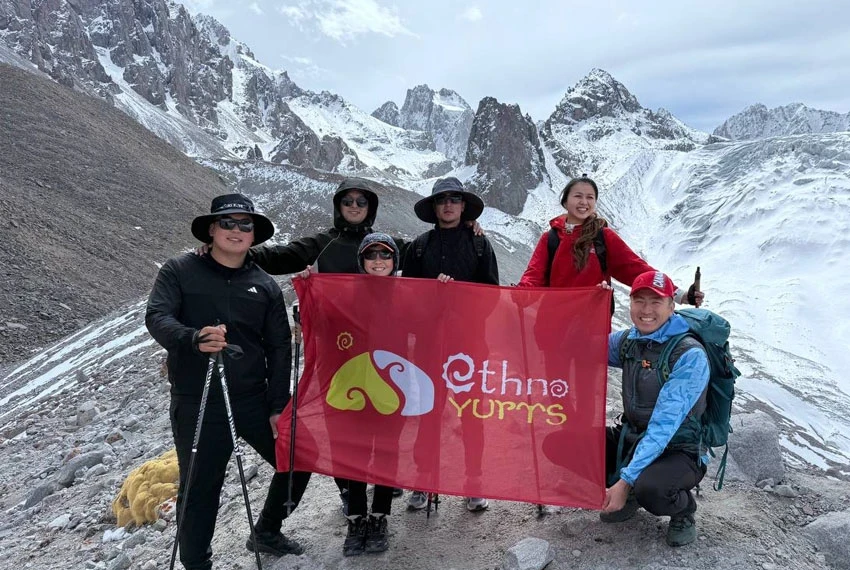
— Yes. Thanks to my work, I have visited about 18 countries, some of which I visited with my wife. I help my parents, I have housing, I am financially stable, and I pay taxes.
Many families depend on the work of our company.
I have four children, and I try to spend all my free time with them.