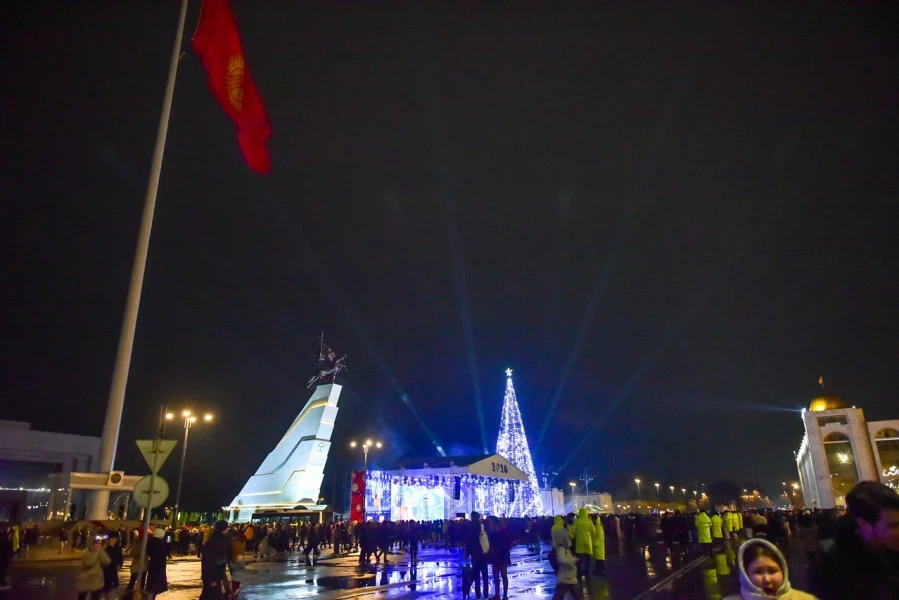
Orthodox believers in Kyrgyzstan will celebrate an important religious holiday tomorrow, January 7 — the Nativity of Christ. This day is an official holiday in the country and marks the end of the 40-day Christmas fast, as well as the conclusion of the January holidays.
Origins of the Holiday
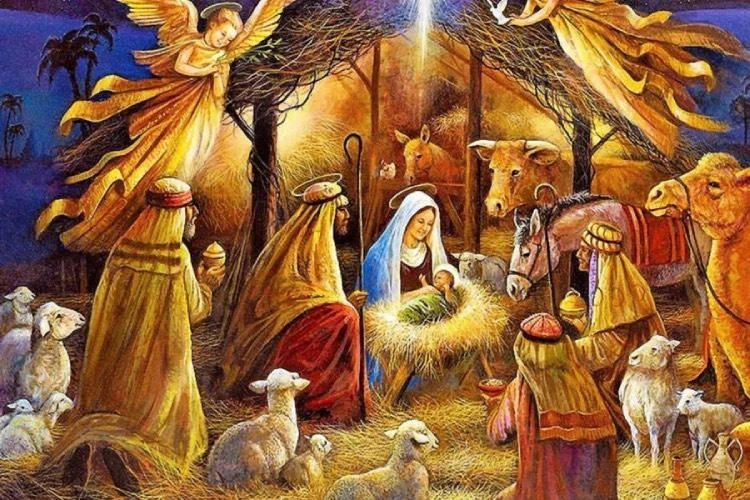
Christmas is established in honor of the birth of Jesus Christ, whom believers consider the Savior. He was born in the small town of Bethlehem, located in Judea.
According to the Bible, the Virgin Mary gave birth to Jesus during a census when the town was overcrowded, and there was no place to stay. As a result, Mary and Joseph found shelter in a stable, where Christ was born.
According to tradition, at the moment of His birth, a star appeared in the sky, which led the Magi to the infant. The first to come to worship Christ were the shepherds, followed by the Magi who brought their gifts: gold, frankincense, and myrrh.
Preparation for Christmas
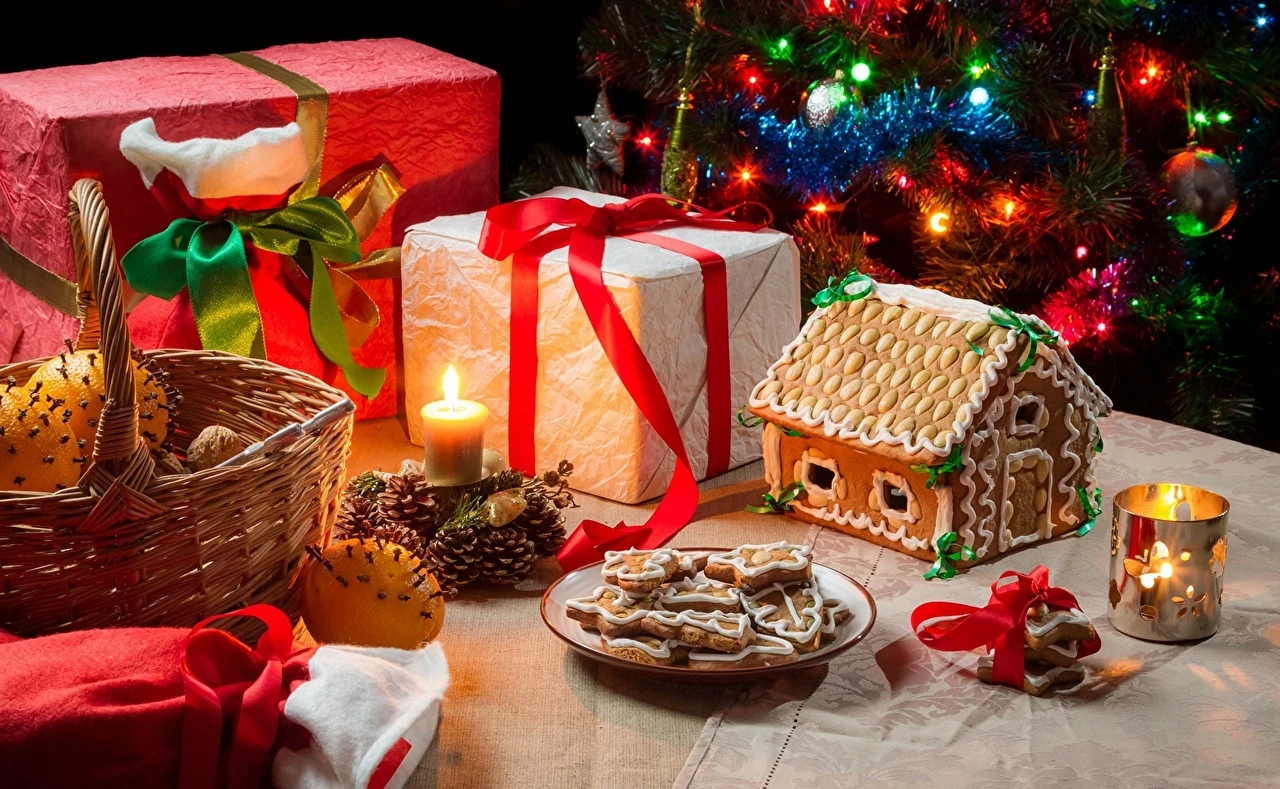
In the lead-up to Christmas, Orthodox Christians observe a 40-day fast, which helps prepare for this holiday. On the evening before Christmas, the fast ends, and festive preparations begin.
Work is prohibited on Christmas Eve. According to church tradition, food is not consumed until the first star appears in the sky, symbolizing the Bethlehem star that guided the Magi.
Festive Traditions
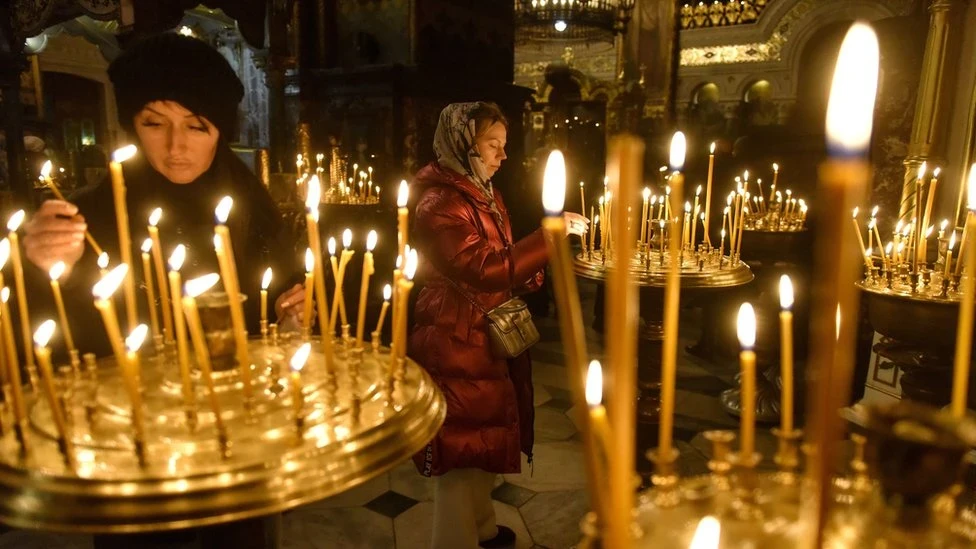
On the night before Christmas, solemn services are held in churches. In Bishkek, they will be organized at the Holy Resurrection Cathedral and at the Church of Saint Equal-to-the-Apostles Prince Vladimir in the 12th microdistrict.
Believers come to the service to meet the holiday in prayer, and then gather with their loved ones.
Traditional Dishes on the Table
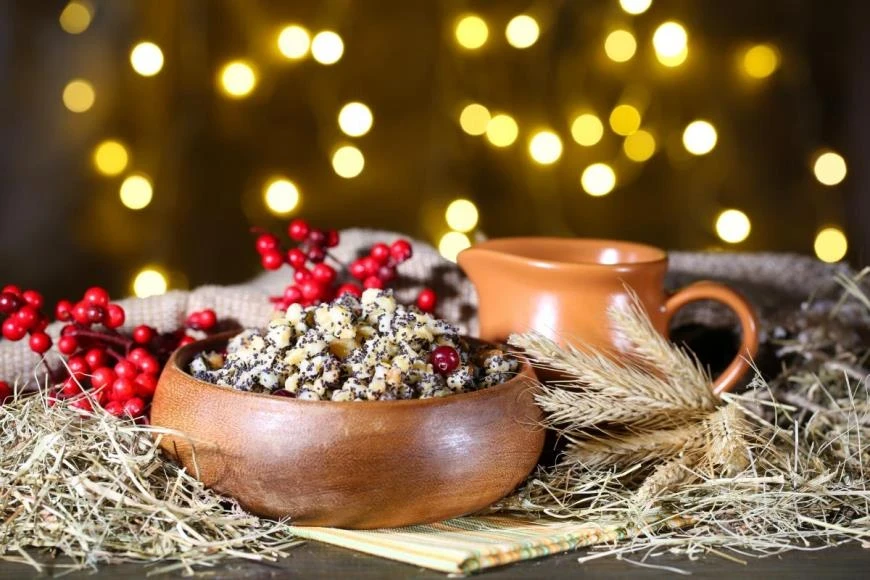
The Christmas menu places special emphasis on kutya (sochivo), which is considered a traditional treat. It marks the beginning of the festive meal on January 7. Kutya consists of wheat grains, nuts, honey, dried fruits, and poppy seeds, symbolizing wealth, family well-being, and eternal life.
There are no strict rules on how to set the table, but it is important for it to be generous and abundant after a long fast. It is also believed that the Christmas table should invite all those in need.
Carols and Folk Omens
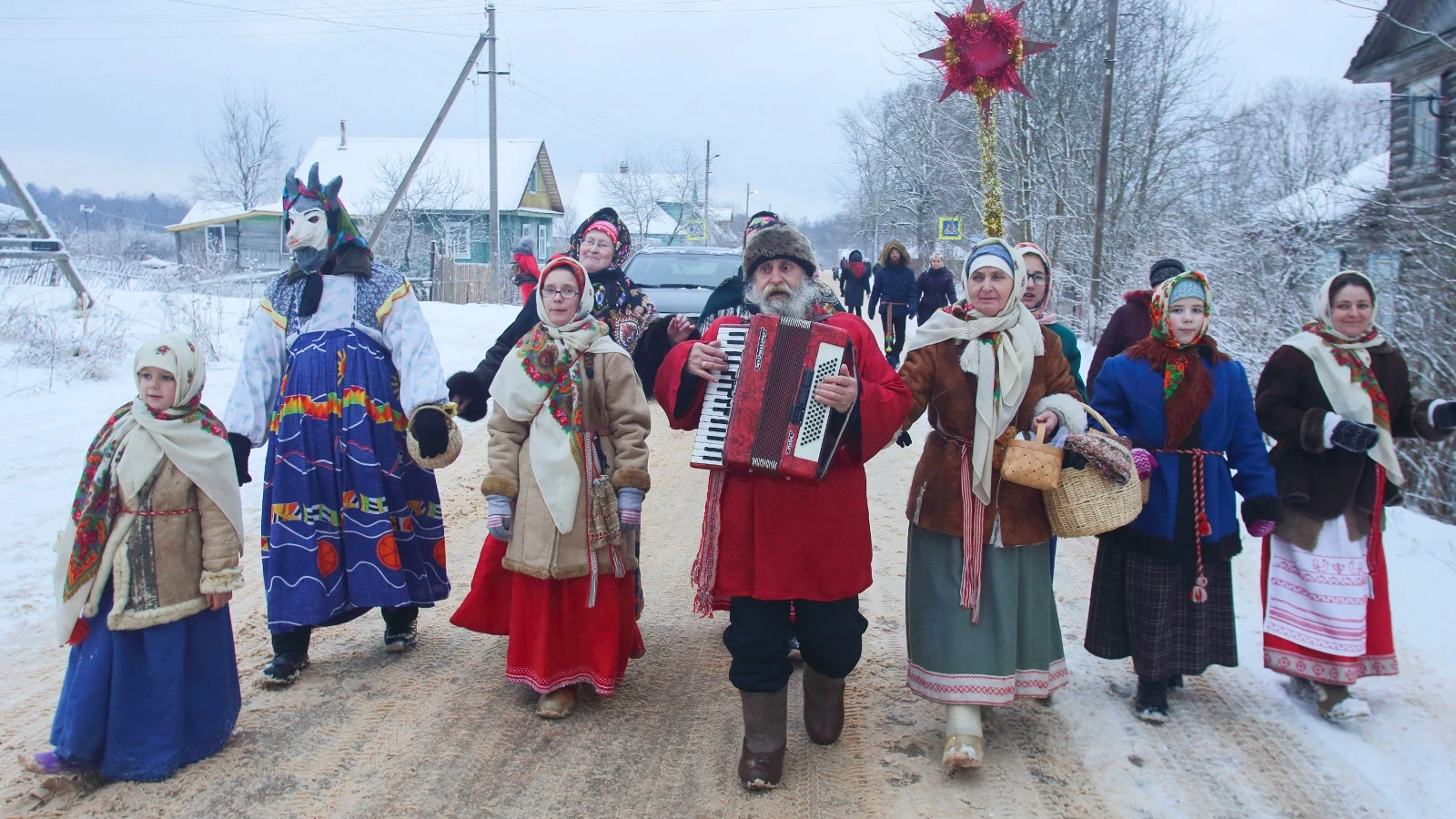
On Christmas Eve, preceding Christmas, it is customary for Orthodox Christians to sing carols. After the church service, young people dress in costumes and go to their neighbors' houses, performing songs with wishes of health and happiness. The hosts, in turn, treat the guests or give them money.
Many folk omens are associated with Christmas. For example, special attention is paid to who will be the first to enter the house on the morning of January 7. If it is a man, it is believed that the entire year will be successful and prosperous. Weather observations are also made on Christmas: frost foretells good health, while hoarfrost on the trees promises a good harvest.