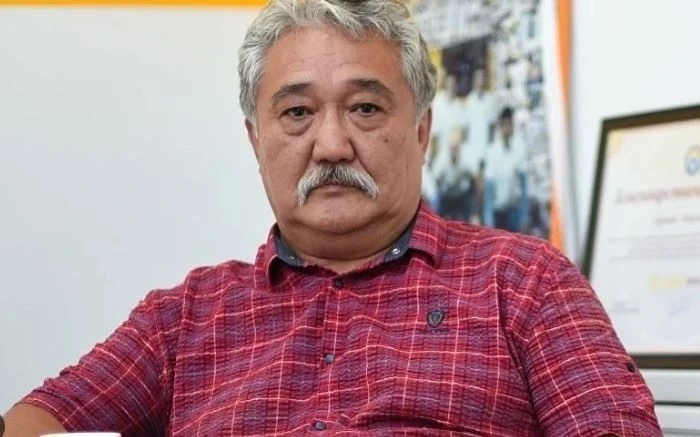
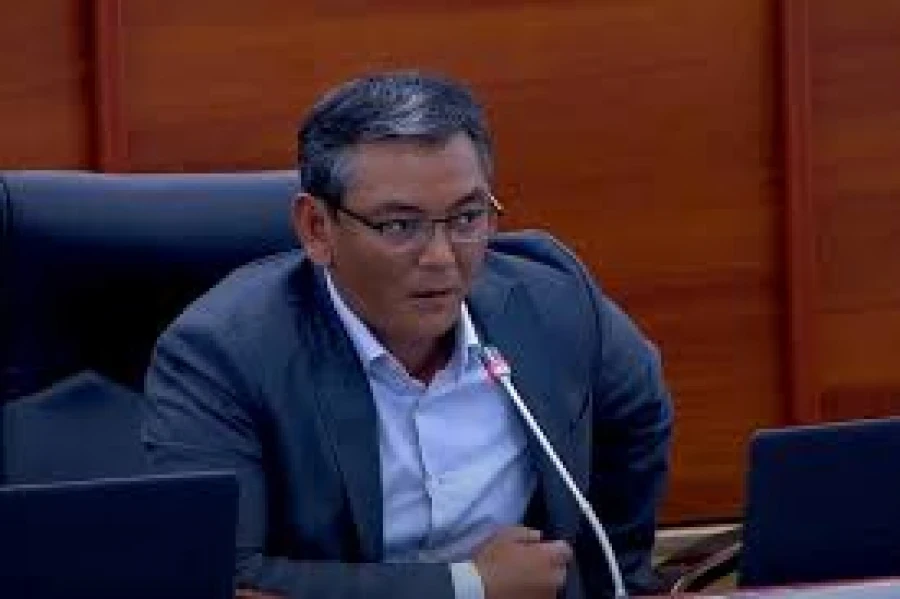
She points out the closure of private rehabilitation centers in Bishkek, which is happening due to unacceptable methods of "treatment," violence, and the lack of a qualified medical approach. "These facts cannot be ignored," she emphasizes.
Violence is not treatment! But where can addicts and their families turn? Only short-term detox is available, and the remaining private centers instill fear. "A void follows them," Estebesova states.
According to her, drug addicts find themselves back on the streets, without any support or assistance. Some of them, as she notes, managed to enter the remaining centers with the help of their parents.
She emphasizes the need to close those institutions where violence and rights violations occur. "But we cannot leave a void," she adds.
Addiction is a disease, not a crime. Rehabilitation is a complex and lengthy professional process that requires replacing the closed centers with new ones proposed by the state," the expert believes.
Estebesova poses a series of questions:
- Where are the state rehabilitation centers?
- Where are the long-term support programs?
- Where are the specialists: psychiatrists, narcologists, psychologists, and social workers?
- What support is available for panicking families?
The issue of drug addiction and treatment methods is extremely serious, according to Batma Estebesova: in Kyrgyzstan, there are not dozens, but thousands of people suffering from drug addiction.
The situation is exacerbated by new synthetic and pharmaceutical drugs, which cause particular concern, the doctor adds.
State narcological institutions are only engaged in detoxification, while rehabilitation is not provided.
Previously, two rehabilitation departments (the state one at the Republican Center for Narcology and "Chance" under the public organization "Socium") demonstrated decent results; however, private narcological centers have failed to cope with rehabilitation tasks. "Where is the system designed to treat and help people with addictions?" questions the director of "Socium."
In Kyrgyzstan, as Estebesova emphasizes, there are no state rehabilitation institutions offering:
- long-term treatment for addiction;
- follow-up support after detoxification;
- psychological and psychiatric assistance;
- social reintegration.
Illustrative photo on the main page: culture.ru.