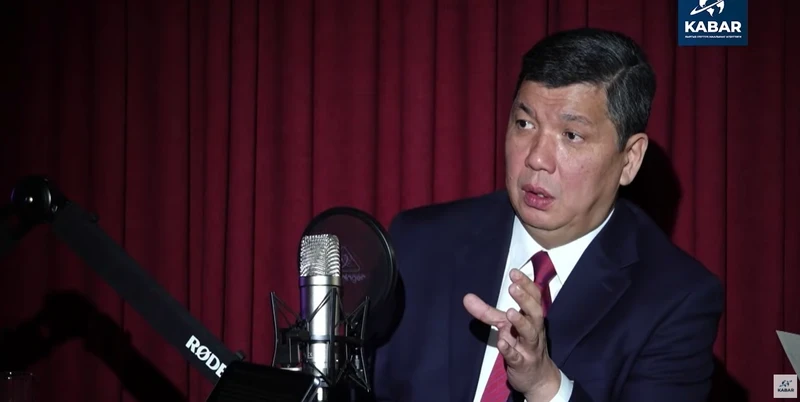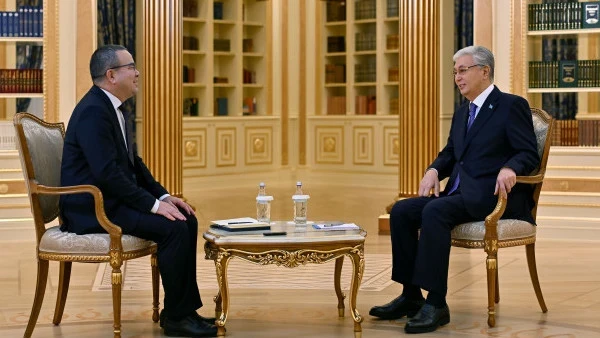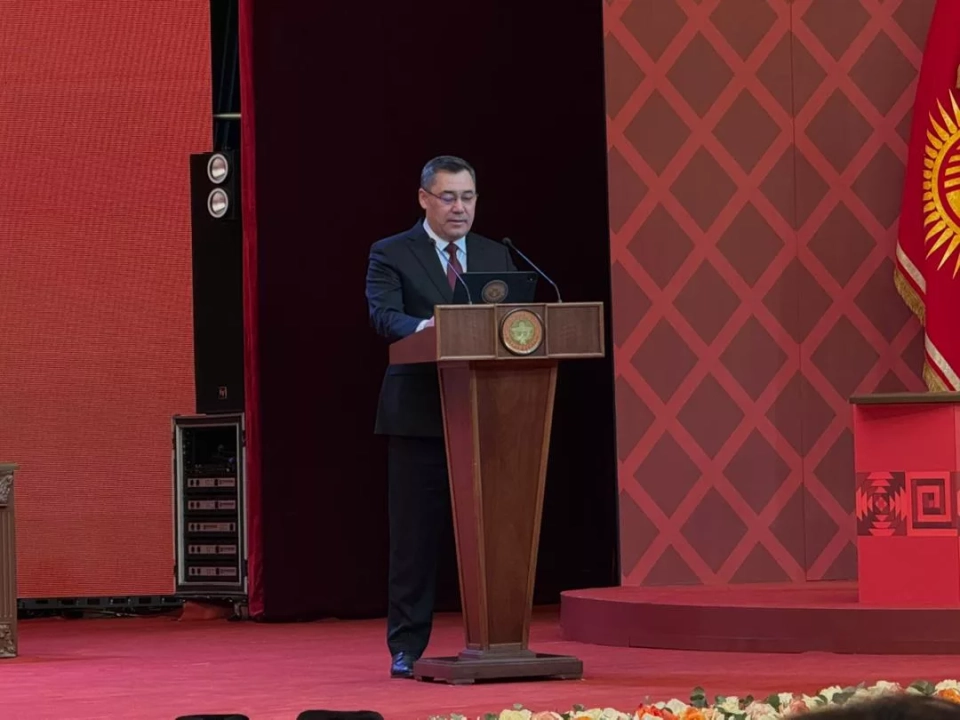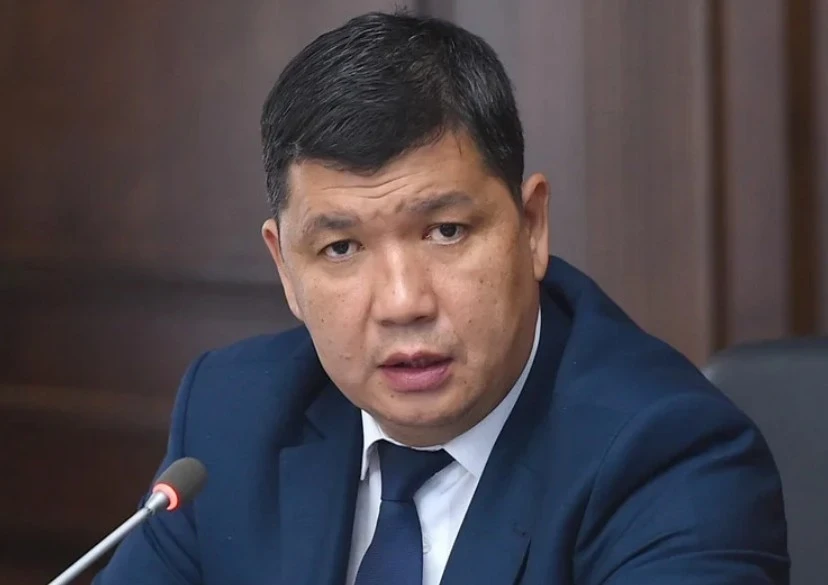
In the podcast of the "Kabar" agency, the mayor of Bishkek, Aybek Junushaliev, shared the results of large-scale reforms and outlined important plans for the development of urban infrastructure by 2026.
Updating the Bus Fleet
The mayor noted that Bishkek is actively working on expanding public transport. In 2021, the city needed 2,500 buses, and now 1,436 units are already in operation on the routes. The city's plans for 2026 include the purchase of more than 600 new "short buses."
However, Junushaliev emphasized that simply increasing the number of buses will not solve the traffic congestion problem and may even worsen the situation. The main focus will be on optimizing the schedule to ensure maximum efficiency of public transport during peak hours. According to him, the traffic congestion issue is serious: over 460,000 vehicles are registered in Bishkek. Additionally, road expansions are being carried out in accordance with the General Plan to match the actual loads.
Road Projects
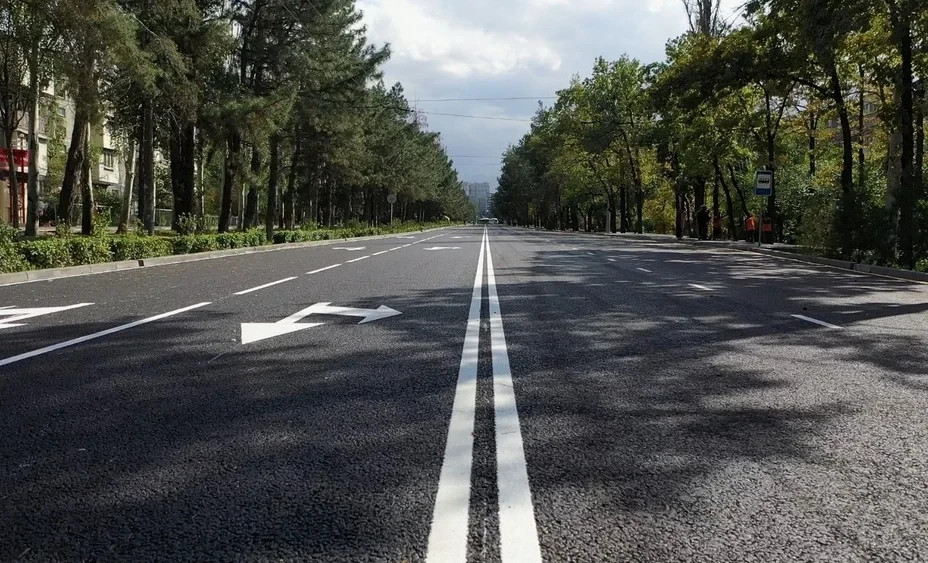
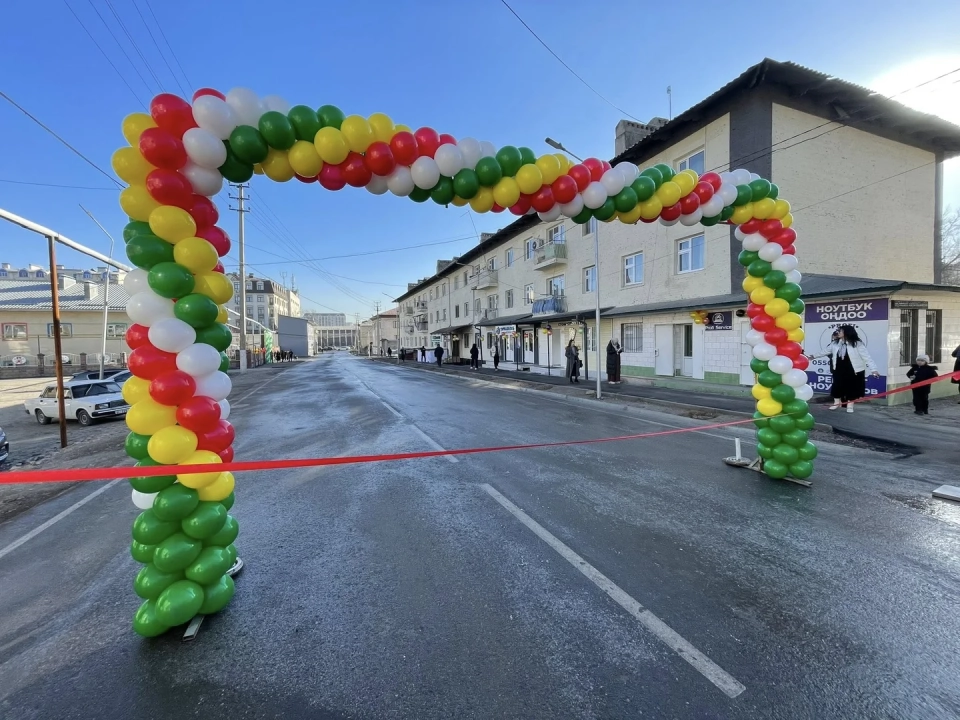
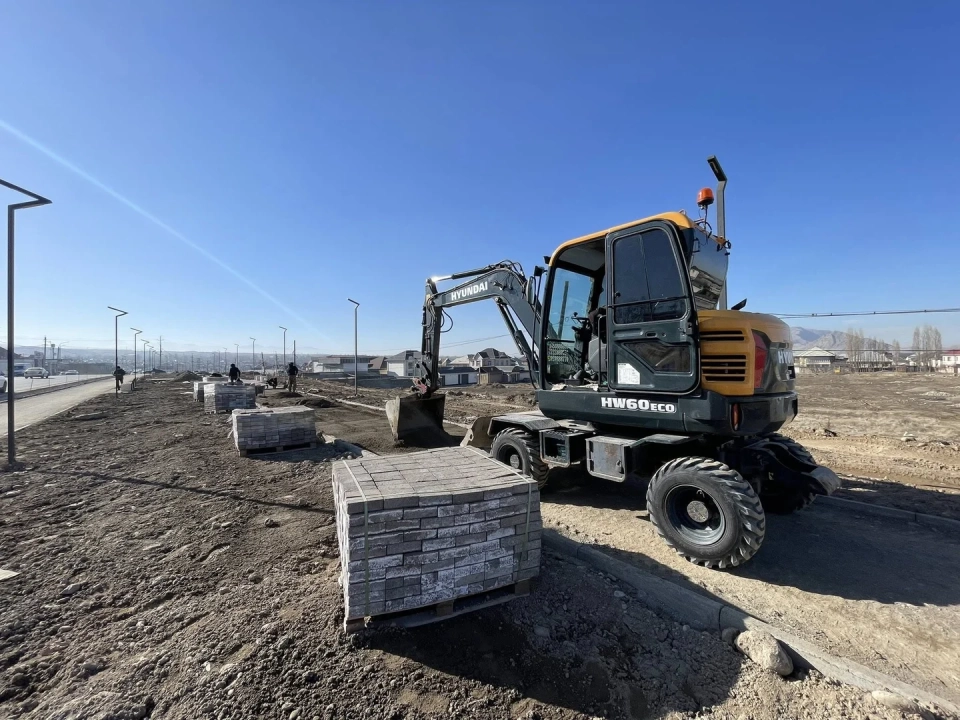
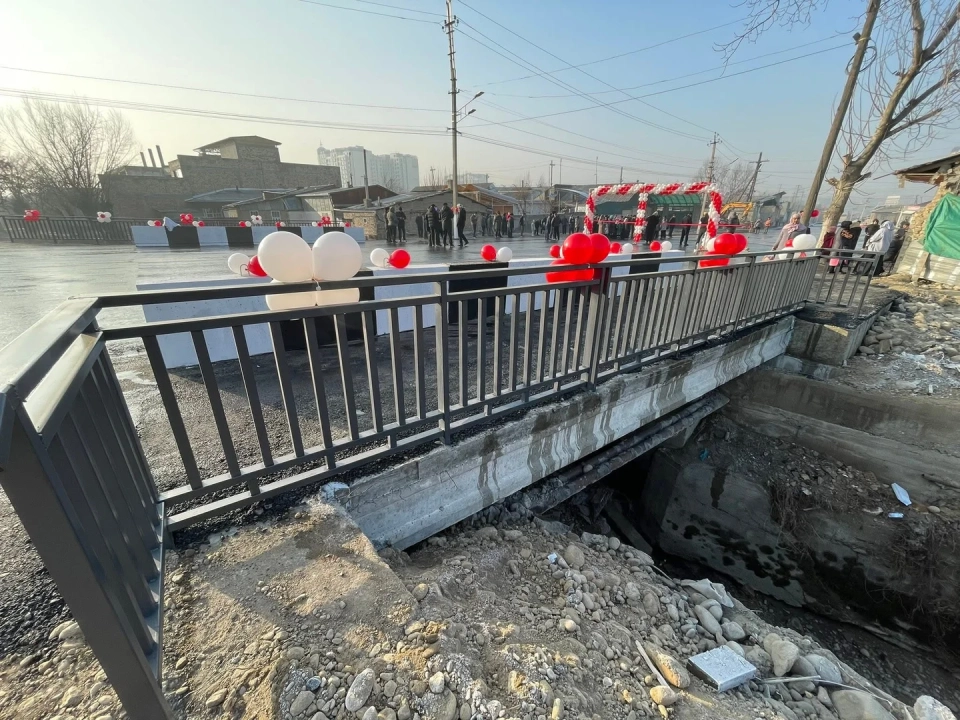
The past year was a record one for Bishkek in terms of road construction — 92 km of new roads were built, significantly exceeding previous figures, which did not exceed 25 km per year. Work was carried out from May to November.
However, the task of repairing roads remains challenging. As a result of the administrative-territorial reform, the total length of the city's roads has increased to 2,800 km, of which about 1,800 km need repairs.
"By 2026, we plan to construct 120 km of roads," the mayor added.
Changing the Approach to Greening
In 2026, Bishkek has set a goal of planting 50,000 new trees. Considering the unsuccessful experience of 2025, when 1,500 imported trees did not take root, the city administration plans to change its approach.
"New saplings, which will arrive in February, will first be planted in special nurseries. Only after successful adaptation to the local climate will they be transferred to the city streets," Junushaliev reported.