"China cautiously assesses Trump's 'Council for Peace'," reports the author of MiddleAsianNews.
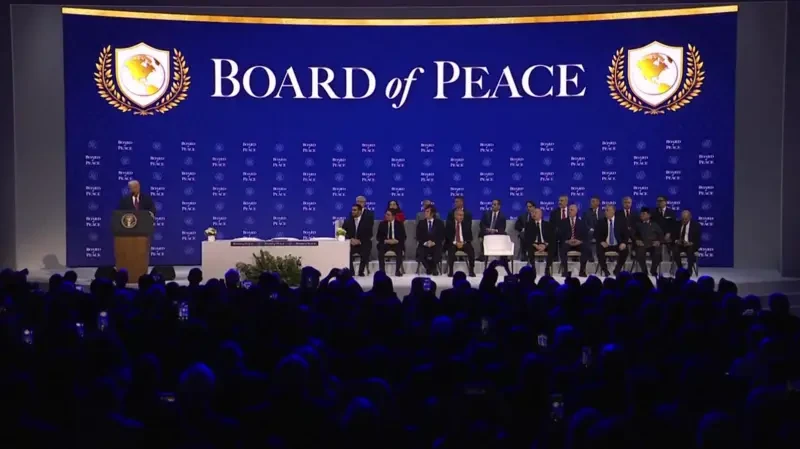
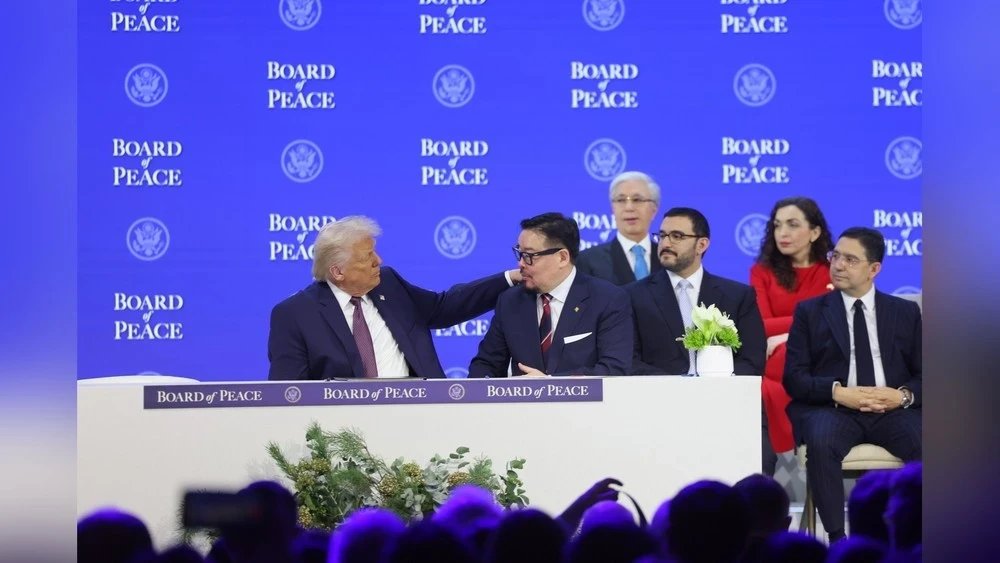
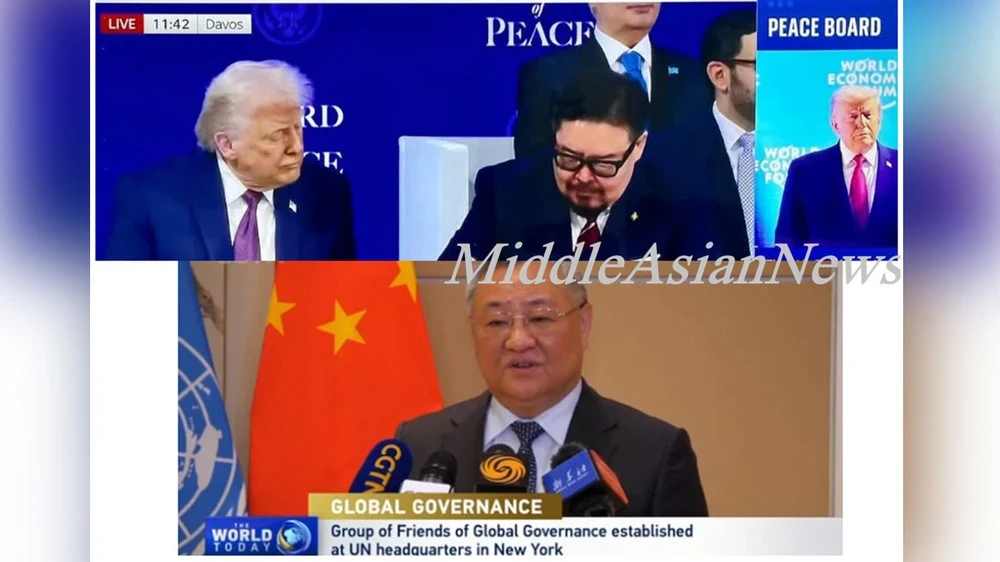
In early 2026, at the World Economic Forum held in Davos, Donald Trump, the President of the United States, announced the establishment of the Council for Peace (CP). China's reaction to this event was restrained: a representative of its Ministry of Foreign Affairs, Guo Jiaqun, confirmed receipt of an invitation to participate in the council.
However, Chinese experts, citing international threats, expressed doubts that the "Committee for Peace" created by Trump could become "a tool for enhancing U.S. power," which calls into question the existence of the United Nations and undermines the international order based on law. Some critics labeled this initiative an imperial plan and a "clique of Trump supporters," viewing it as a colonial and extortionate strategy.
While discussions in Beijing may resonate with similar opinions in other countries, China's concerns about Trump's Council for Peace have deeper roots. Meanwhile, Mongolia has become a member of this council.
China's Multilateral Approach in the Context of Trump's Initiative
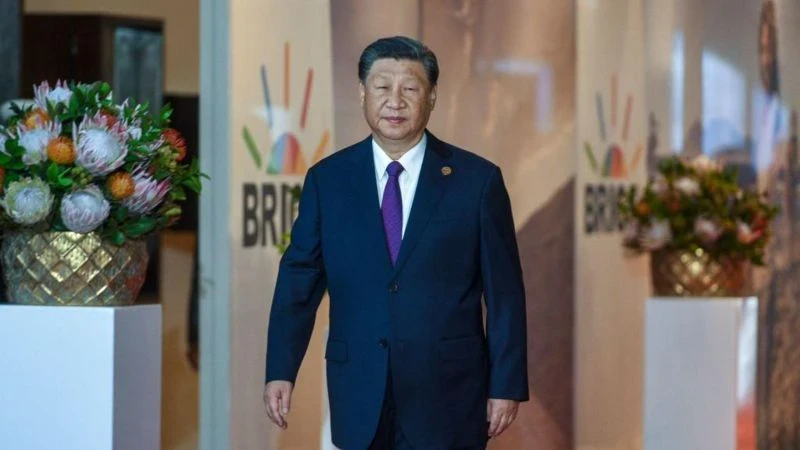
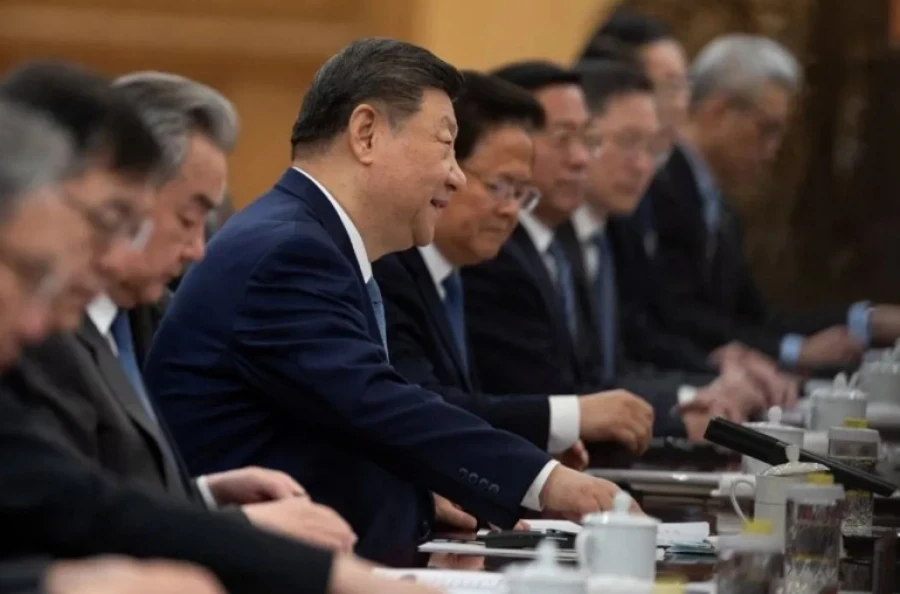
Despite the criticism of the Council for Peace from Chinese analysts, it should not be forgotten that the President of China, Xi Jinping, has been the initiator of global governance and multilateral diplomacy that align with China's interests. Under his leadership, China actively implements multilateral approaches and realizes numerous initiatives, such as the "Belt and Road Initiative," as well as three main global initiatives: the Global Development Initiative (GDI), the Global Security Initiative (GSI), and the Global Civilization Initiative (GCI), creating "Chinese solutions" for forming a fairer system of global governance.
China actively utilizes its growing role in the UN to promote and legitimize its own initiatives.
For example, the "Belt and Road Initiative" has already received support from over 150 countries and 30 international organizations, including the UN.
Beijing also emphasizes that the Global Development Initiative (GDI) is supported by various countries and international organizations, including the UN. The Global Security Initiative, which covers issues such as the situation in Ukraine, Afghanistan, the Israeli-Palestinian conflict, and Iran-Saudi relations, also receives support from the China-UN Peace and Development Fund.
Recently, Xi Jinping introduced the Global Governance Initiative (GGI) with five main concepts: sovereign equality, supremacy of international law, multilateralism, a people-centered approach, and practical measures. To implement the GGI, a "Group of Friends of Global Governance" was established at the UN headquarters, which includes 43 states, including Kazakhstan, Malaysia, the Maldives, Mongolia, and Pakistan, that are to jointly support the international order that emerged after World War II through reforms.
In 2025, the International Mediation Organization (IMO) was also founded to compete with institutions like the International Court (IC). The IMO is headquartered in Hong Kong, and its task is to mediate disputes between states as well as in international commercial disputes. China claims that the establishment of the IMO is based on Article 33 of the UN Charter, which prioritizes mediation as a means of peaceful conflict resolution.
Trump and His Strategic Partners of China
Another concern for China is that the Council of Governors created by Trump includes representatives from countries that have strategic relations with China under the Belt and Road Initiative (BRI). At the signing ceremony, Trump was surrounded not by the usual U.S. allies—Britain, France, Germany, Italy, Japan, and South Korea—but by countries that have previously supported China, such as Mongolia, Pakistan, Saudi Arabia, Indonesia, Uzbekistan, and Kazakhstan. Mongolia is actively developing cooperation with China in the fields of railway transport and mining. Pakistan, in turn, is a key element of the China-Pakistan Economic Corridor (CPEC), where China is investing significant funds in infrastructure; Saudi Arabia and China have signed numerous agreements in the energy sector, particularly in yuan-denominated oil transactions; the Jakarta-Bandung high-speed railway and nickel mines in Indonesia are also examples of major Chinese investments. Uzbekistan, as an active participant in the Shanghai Cooperation Organization (SCO), controls important transport routes in Central Asia.
Chinese analysts are questioning why these countries are willing to cooperate with the U.S. despite their close ties with China, pondering whether this is a sign of coerced cooperation or part of strategic hedging amid great power competition. The emergence of new loyalties among traditional allies and SCO partners poses a challenge for China, especially in the era of Trump 2.0.
China's Strategy in the Middle East in the Context of American Influence
Chinese experts have also noted that among the participants of Trump's "Council for Peace" are not only influential Arab countries but also major Islamic powers such as Indonesia, Turkey, and Pakistan. The inclusion of these countries in the newly formed "Committee for Peace," led by the U.S., is a powerful political statement and has a significant impact on the Israeli-Palestinian conflict.
Participants, including competitive countries like Saudi Arabia and Qatar, as well as states representing various confessions and united by geopolitical interests, such as Turkey and Egypt, demonstrate a willingness to set aside internal disagreements and unite in the "Committee for Peace."
For many of them, participation in the Council does not necessarily mean full agreement with U.S. proposals; countries seek to influence the process from within to ensure that the outcomes align with their interests. This creates additional complexities for China, as refusing to participate in the Council could deprive it of important influence in the Middle East, while participation could lead to new challenges, including the need to deploy forces under Israeli control and direct Trump’s intervention in international conflicts from Ukraine to the South China Sea.
Overall, China's attitude towards the "Trump Platform" remains extremely cautious. First, as a permanent member of the UN Security Council with veto power, China has little motivation to participate in an organization under Trump's control. Second, under Xi Jinping, China emphasizes its "Chinese solutions" to global problems, aiming to offer an alternative to American approaches and expand its influence in global governance. China has already achieved significant success through formats such as BRICS and SCO, as well as through initiatives like the Belt and Road Initiative, the Global Development Initiative, and the Global Security Initiative.
Given the current situation, China's entry into the Council for Peace under Trump seems unlikely. However, China is likely not to openly confront Trump in order not to complicate trade negotiations with his administration. Therefore, China is adopting a wait-and-see tactic, awaiting the right moment to express its dissatisfaction, concealing it under global skepticism regarding Trump's Council for Peace.