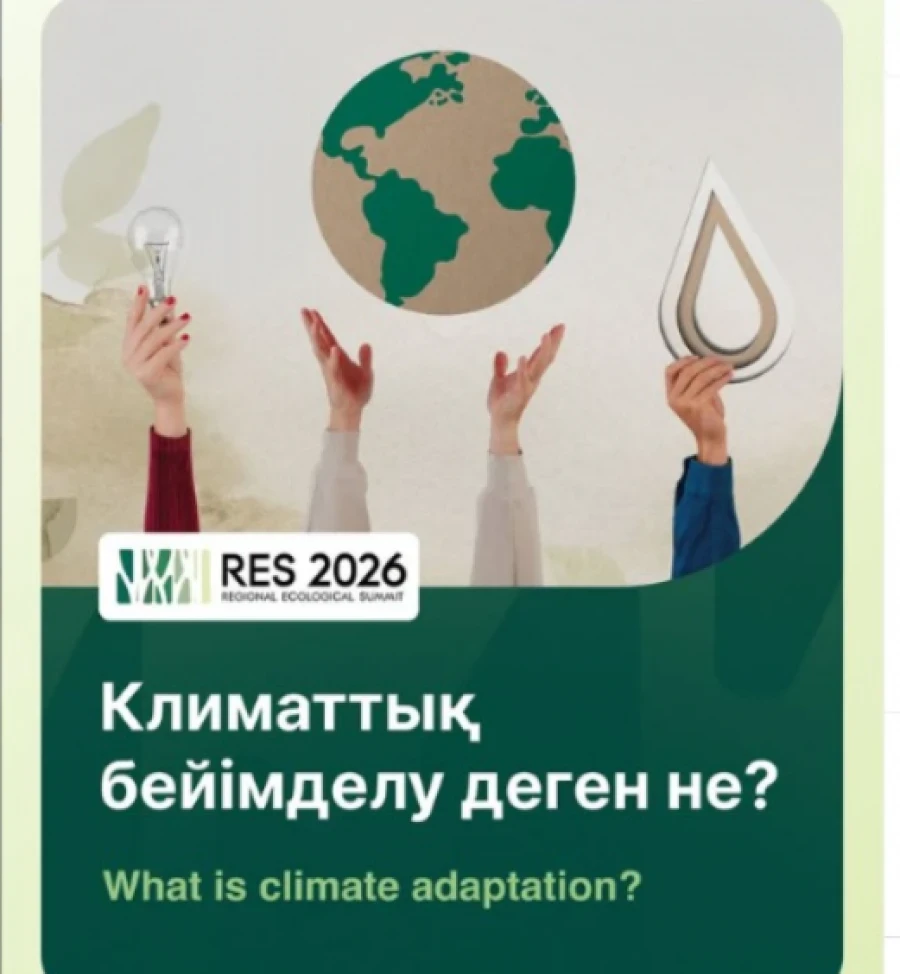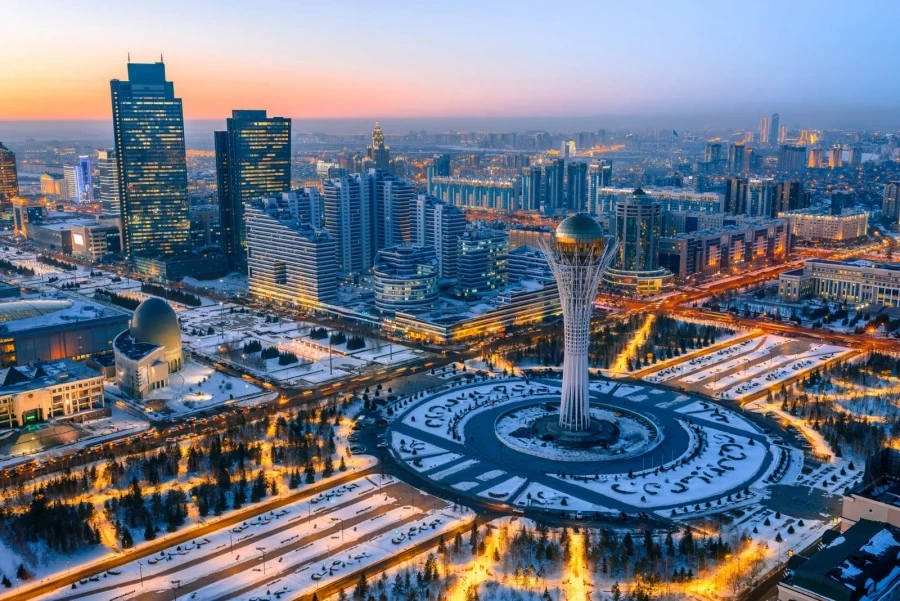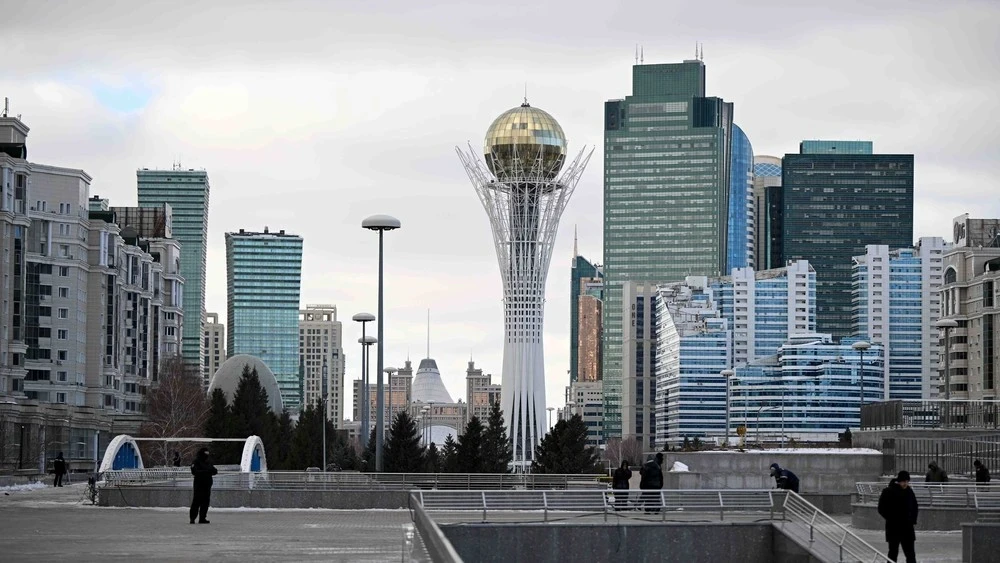
From April 22 to 24, 2026, the capital of Kazakhstan, Astana, will host the Regional Ecological Summit (RES 2026). This event will bring together leaders from various countries to discuss pressing climate and environmental issues in Central Asia, as reported by the Associated Press.
Under the slogan "A Shared Vision for a Sustainable Future," the summit will serve as an important platform for strategic dialogue and coordination of actions in the fields of ecology, climate, and sustainable development, organized by the government of Kazakhstan in collaboration with international and regional partners.
RES 2026 aims to enhance Astana's status as an international center where practical solutions will be developed to address urgent environmental challenges such as water resource scarcity, glacier melting, land degradation, and loss of biodiversity, as well as the increasing pressure on natural resources.
The summit will feature plenary sessions and over 20 sessions dedicated to various topics. Participants will discuss the transition to a "green" economy, food security issues, sustainable resource management, and financing for environmental projects. The role of modern technologies and education in creating a sustainable future will also be considered.
Expected participants of the summit include:
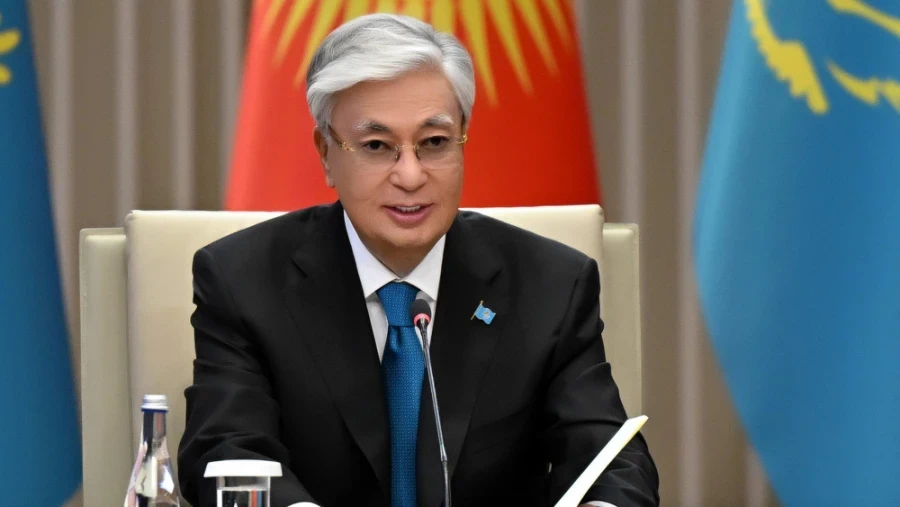
• Kassym-Jomart Tokayev, President of Kazakhstan
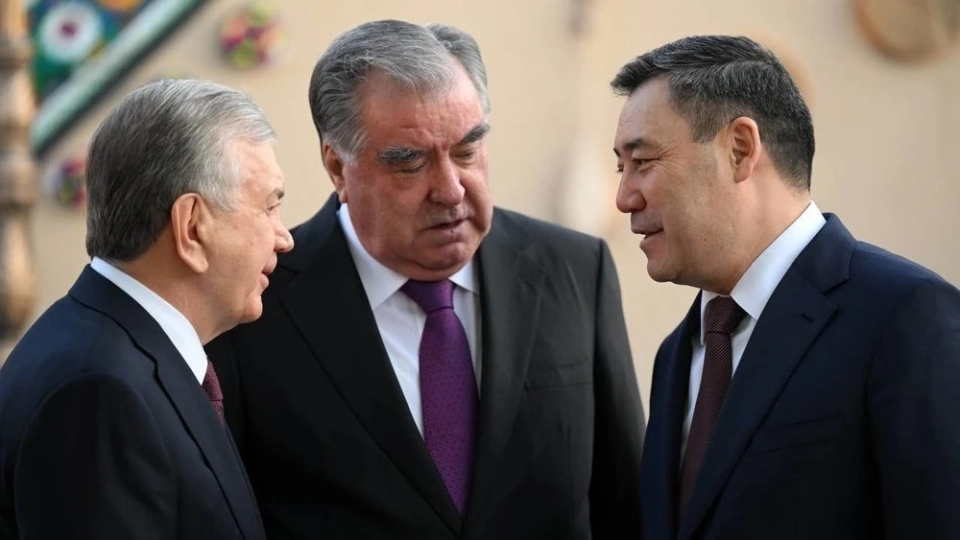
• Shavkat Mirziyoyev, President of Uzbekistan
• Emomali Rahmon, President of Tajikistan
• Vahagn Khachaturyan, President of Armenia
• Ukhnaagiin Khurelsukh, President of Mongolia
• Li Junhua, UN Under-Secretary-General for Economic and Social Affairs
• Feridun H. Sinirlioğlu, Secretary General of the OSCE
• Tedros Adhanom Ghebreyesus, Director-General of WHO
• Celeste Saulo, Secretary-General of the World Meteorological Organization
• Dorin Bogdan-Martin, Secretary-General of the International Telecommunication Union
The organizers emphasize that the summit will not only be a platform for exchanging views but also a catalyst for implementing specific joint projects and investment initiatives aimed at enhancing the resilience of the region's energy, water, and food systems.
According to the initiators, RES 2026 should contribute to strengthening cooperation among states and promoting practical measures that align with global climate and sustainability goals.