The World Health Organization (WHO) has presented its first global recommendations for healthy eating in schools, reports the UN News Service.
According to new information, WHO emphasizes the importance of balanced nutrition in educational institutions for developing proper eating habits in children that will last a lifetime.
To date, the levels of overweight and obesity among children continue to rise worldwide, while the issue of undernutrition also remains relevant.
It is projected that by 2025, the number of cases of childhood obesity will exceed the number of cases of underweight.
Last year, about 10% of schoolchildren and adolescents suffered from obesity, and 391 million children were overweight. Additionally, according to the latest WHO report, more than 800 million people worldwide and one in six pregnant women suffer from diabetes.
As of October 2025, 104 WHO countries have begun implementing healthy school nutrition policies, but only 48 countries have imposed restrictions on the advertising of products high in sugar, salt, and unhealthy fats.
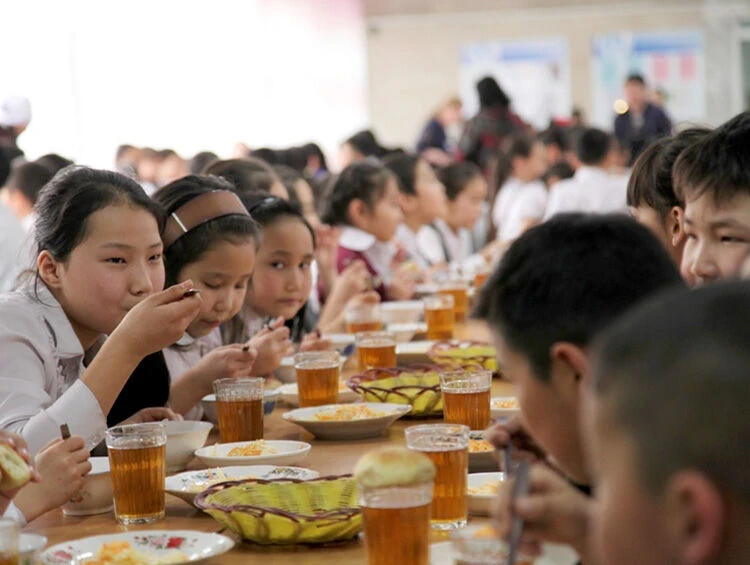
The school food environment has a significant impact on the formation of eating habits for millions of children who spend most of their time in educational institutions.
WHO
WHO Director-General Tedros Adhanom Ghebreyesus noted that the nutrition children receive at school, as well as their surrounding environment, can significantly influence the quality of their learning and have long-term effects on health and overall well-being.
He emphasized that proper nutrition in educational institutions is a crucial factor in preventing diseases in the future and in forming a healthier adult population.
WHO calls for increasing the availability of healthy foods and drinks for children while simultaneously reducing the quantity of harmful ones. This includes reducing sugar, trans fats, and salt in diets, as well as increasing the proportion of whole grains, fruits, nuts, and legumes.
To support the implementation of new dietary recommendations, WHO will offer countries technical assistance, experience sharing, and other forms of cooperation.
- It should be noted that in Kyrgyzstan, 14 soms are allocated per day for the nutrition of one primary school student. In Bishkek, this amount reaches 22 soms, while in Osh it is 15 soms from local budgets.