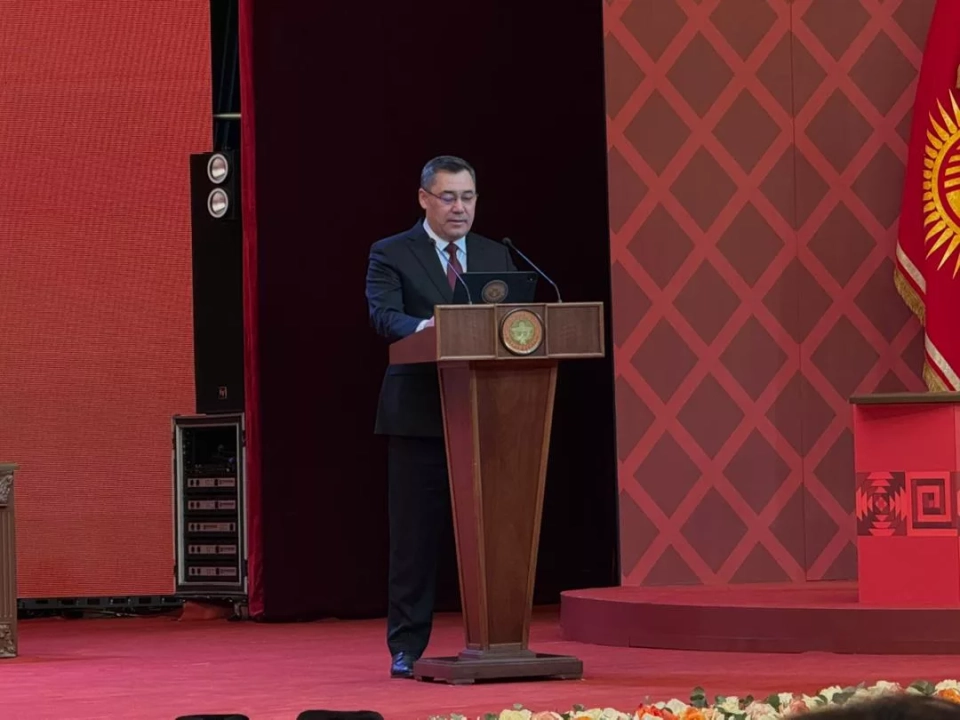
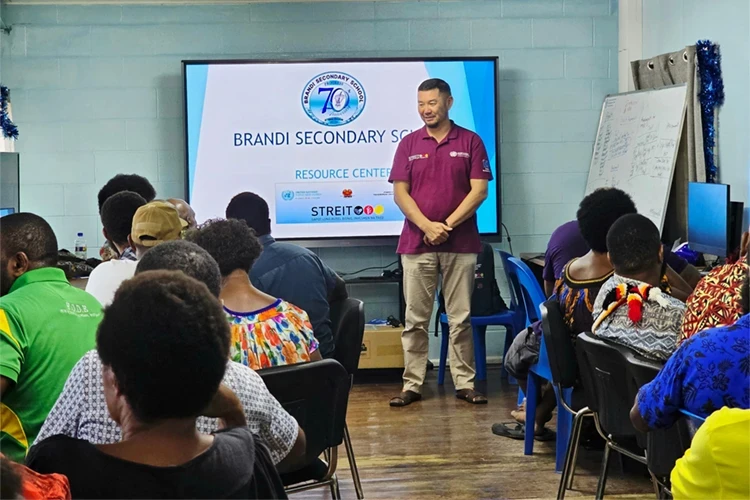
At the meeting, chaired by Minister Kanibek Dosmambetov, the main areas of the ministry's activities were presented, including the implementation of state programs, personnel development, financing, infrastructure modernization, digitalization, regulatory framework, and cooperation with international organizations.
According to the press release from the Ministry of Health, participants discussed issues related to improving primary healthcare, staffing in the regions, the quality of medical services, as well as sanitary safety and ensuring the population has access to medicines.
In his speech at the meeting, Dosmambetov emphasized that 2025 was not only a successful year but also presented serious challenges for the healthcare system. He noted that healthcare remains one of the key priorities of state policy, and new approaches in management, prevention, and staffing are necessary for sustainable development.
According to the ministry's data, in 2025, there was a decrease in infant mortality to 13.5 per 1,000 live births, which is 4.2% lower than in 2024. However, the structure of causes of mortality remained unchanged: the main factors are perinatal diseases (65.7% of cases), congenital anomalies (15.5%), and respiratory diseases (8.2%). At the same time, there is a 28.1% increase in infectious and parasitic diseases.
Unfortunately, there was also an increase in maternal mortality: in 2025, 48 cases were registered (34.8 per 100,000 live births), which is 35.4% higher than the figures for 2024.
The minister noted that maternal and infant mortality rates are the most important indicators of the healthcare system's condition and should be among the priority areas of work, as this is directly related to the preservation of the lives of women and newborns.
Dosmambetov characterized the rise in maternal mortality as a "call to action" and instructed to develop a comprehensive set of measures to reduce it as soon as possible. He pointed out the need to revise the standards for antenatal care with an emphasis on quality and strict routing of pregnant women, especially those from high-risk groups, as well as to enhance telemedicine consultations and implement prenatal screening.
"Preventing complications and ensuring access to qualified care must become our main priorities," the minister added.
Dosmambetov also highlighted the problems faced by the healthcare system, such as outdated infrastructure and a shortage of personnel, despite the significant professional potential available.
He noted that the strategic vision is to create a managed, modern, and sustainable healthcare system based on prevention and accountability for results.
According to him, it is necessary to shift from responding to problems to preventing them, ensuring equal effectiveness of the system both in the capital and in the regions.
The minister also discussed measures to improve the personnel potential, such as increasing salaries, creating housing conditions, supporting doctors in the regions, developing international training programs, and facilitating the return of specialists from abroad.
As a result of the board meeting, priority areas for work in 2026 were identified, including the modernization of medical infrastructure, ensuring the population has access to affordable and quality medicines, and strengthening personnel potential.
Key tasks for 2026 also include reducing maternal and infant mortality, revising the cancer treatment program with an emphasis on the accessibility of diagnostics and therapy, as well as working to reduce mortality from cardiovascular diseases through improved primary healthcare and preventive measures.
Dosmambetov emphasized that prevention should mean a shift from treating diseases to forming a healthy society, which includes not only early detection but also promoting a healthy lifestyle, preventing risk factors, and increasing citizens' responsibility for their health. He also highlighted the importance of vaccination as a primary means of protecting children from infections and the need to enhance trust in immunization.
The minister noted that a systematic approach to oncology and cardiovascular diseases is necessary at all stages—from prevention to rehabilitation.
Additionally, plans for 2026 include the implementation of a new state laboratory service, updating clinical protocols, improving quality control, and developing digital solutions to enhance transparency and efficiency in healthcare management.