According to the doctor, there is a high incidence of chronic lung diseases in the At-Bashinsky district. This is explained by the high-altitude location of the region, where sharp fluctuations in temperature and atmospheric pressure are common. With the onset of winter, there is traditionally an increase in cases of bronchitis and pneumonia, as well as exacerbations of chronic respiratory diseases.
“With the arrival of cold weather, the number of respiratory illnesses increases. The main factors are hypothermia, improperly selected clothing, and insufficient heating in homes, which leads to exacerbation of diseases,” noted Rakhmanova.
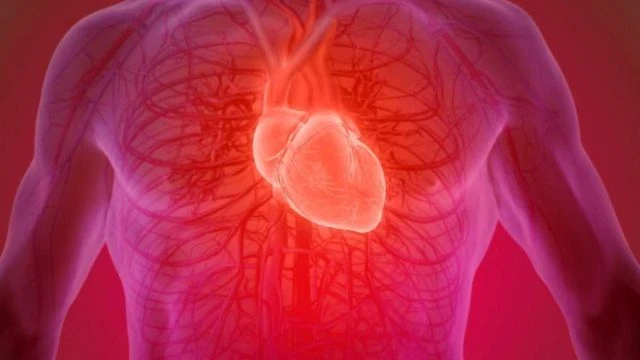
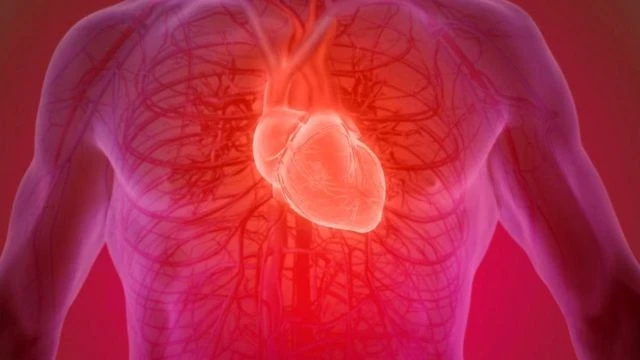
Moreover, life in high-altitude areas also contributes to the rise of cardiovascular diseases, with arterial hypertension being the most prevalent. A lack of oxygen and pressure fluctuations create additional stress for the heart and negatively affect the condition of blood vessels.
As part of the Ministry of Health's program "Salamat zhurok" ("Healthy Heart"), activities aimed at the prevention of cardiovascular diseases, their early detection, and the prevention of complications are being conducted in the district.
“First of all, it is necessary to quit smoking. Nicotine causes spasms of the blood vessels in the lungs and heart, disrupts blood circulation, raises blood pressure, and significantly increases the risk of heart attack and stroke,” she explained.
Poor nutrition also remains one of the serious problems. According to the doctor, many residents are overly fond of flour products and potatoes, which are difficult to digest. The habit of going to bed immediately after eating worsens digestion, while a lack of physical activity leads to excess weight and increased blood pressure.
“Normal blood pressure is around 120/80; however, some patients have readings exceeding 200. This poses a serious danger. Often, the cause is irregular intake of medications or self-discontinuation of treatment, which leads to a sharp deterioration in condition,” the doctor added.
Rakhmanova emphasized the need for regular monitoring of blood sugar levels. Normal values range from 3.3 to 5.5 mmol/L. Many people remain unaware of elevated sugar levels for a long time, while diabetes can damage blood vessels and lead to kidney, eye, and heart diseases.
The specialist also highlighted the importance of monitoring cholesterol levels, which should not exceed 4 mmol/L. Excessive consumption of fatty foods and meat contributes to the formation of cholesterol plaques, which can lead to strokes and heart attacks.
Sleep-related breathing disorders remain a separate issue. People with excess weight may experience obstructive sleep apnea — temporary cessation of breathing, which requires specialized treatment. Without medical assistance, this condition can be life-threatening.
Doctors recommend refraining from smoking, monitoring diet, avoiding excess weight, walking more in the fresh air, and reducing sugar intake. Antihypertensive medications should be taken strictly as prescribed by a doctor — regularly, in the morning and evening.
Rakhmanova also provided advice on proper nutrition. Meat broths should be consumed in moderation and should be low-fat. The diet should include more vegetables, fruits, cereals, and whole grain bread. It is beneficial to eat fish rich in Omega-3 fatty acids more often, while meat should be consumed in moderation. After eating meat dishes, it is not recommended to drink tea for 30 minutes, as it interferes with iron absorption.
The doctor also recommends avoiding heavy meals after 6:00 PM. If hunger arises in the evening, it is sufficient to drink a glass of kefir or eat an apple.
In conclusion, the specialist emphasized the importance of physical activity. Regular brisk walking for at least 30 minutes a day helps improve blood circulation, lower blood pressure, and positively affects overall health.