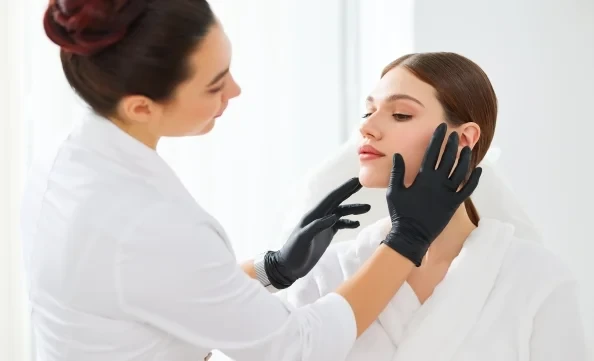
On the topic of acne and its treatment, Irina Martynenko, a dermatologist from the Republican Center for Dermatovenereology, spoke on "Birinchi Radio." She emphasized that acne remains an important and widely discussed topic among professionals and in society. Information about this condition is actively discussed at conferences, seminars, and online.
The specialist noted that acne ranks second in frequency among dermatological issues. The condition can manifest at any age, but it is most commonly observed in adolescents. However, adults also frequently encounter this problem.
According to statistics, acne affects boys more significantly — this occurs in 90–95% of cases, while the figure for girls is 80–85%. As age increases, this situation changes, and women experience acne more often than men.
Martynenko pointed out several factors that are not the primary causes of acne but create favorable conditions for its appearance. These include stress, especially among young people balancing work and study, as well as poor nutrition, including the overconsumption of fast food, soda, fatty and spicy foods, alcohol, and smoking.
Chronic and autoimmune diseases that weaken the immune system can also influence the occurrence of acne, and excessive sun exposure can adversely affect skin condition.
"The sun, sea, and water are not always our allies. In conditions of high temperatures and sunlight, it is essential to maintain moderation to avoid negative consequences for the skin," added the dermatologist.
Regarding the pathogenesis of acne, a key factor is hyperandrogenism — an elevated level of male hormones, such as testosterone, which can be observed in both men and women. This leads to excessive production of sebum.
Another mechanism is dyskeratosis — a disruption of the normal process of keratinization of the upper layer of the skin, which leads to the blockage of sebaceous glands. As a result, sebum cannot exit normally and accumulates, promoting the growth of Propionibacterium acnes and the development of inflammatory processes.
The immunological status of the patient also plays an important role. With a good immune response, bacterial growth is controlled, and inflammation is less pronounced. Conversely, a weakened immune system, especially against the backdrop of chronic diseases, can lead to more severe forms of the inflammatory process.
Irina Martynenko highlighted three stages of acne: mild, moderate, and severe. The mild form is characterized by isolated eruptions, the moderate form by a larger number of papulopustular elements and infiltration. The severe stage is marked by pronounced inflammation with nodular elements of burgundy or pink color, which are painful even with light pressure.
The most common locations for acne eruptions are the T-zone of the face (forehead, nasolabial area, and chin), as well as the upper part of the chest and back.
According to the specialist, the treatment strategy depends on the stage of the disease. In mild and moderate forms, external therapy is most often used, which includes proper skin care, the use of therapeutic and preventive products, and the elimination of triggers. External medications may contain antibacterial components, acids, and anti-inflammatory substances.
Severe forms require a systemic approach, including antibiotic therapy and the use of modern retinoids. These agents have a pronounced keratolytic effect, although they can cause side effects such as dryness of the skin and mucous membranes, and cracks on the lips and tongue.
"Retinoids can have numerous side effects. Before prescribing them, it is essential to discuss all risks in detail with the patient and conduct a comprehensive laboratory examination, as hormonal imbalances and liver strain may occur," noted Martynenko.
She also emphasized that there is currently a trend towards the frequent use of retinoids due to the rapid achievement of results. However, premature discontinuation of these medications can lead to withdrawal syndrome and exacerbation of the disease. Therefore, it is important to correctly select the dosage and duration of therapy, as well as to gradually reduce the dose.
Additionally, the specialist highlighted the need to consider the patients' plans for pregnancy. After completing a course of retinoids, it is recommended to plan pregnancy no earlier than six months later, preferably longer, to avoid the risk of teratogenic effects on the fetus. In the case of an unplanned pregnancy, a consultation with a gynecologist is mandatory.