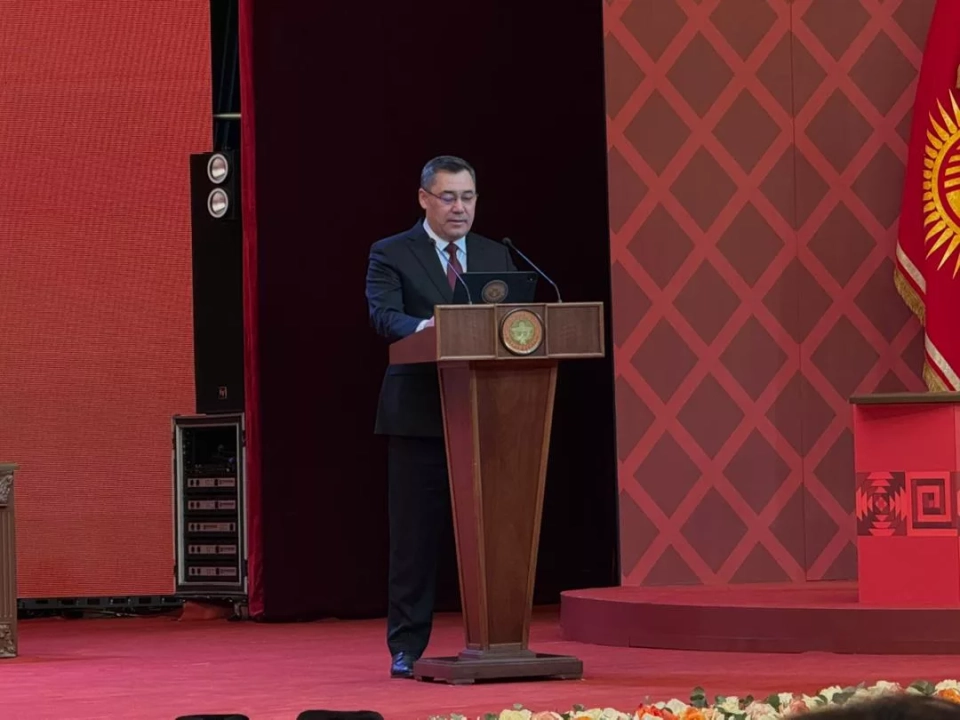
Here are his words:
In recent years, medical professionals have increasingly noted a general trend towards the deterioration of children's health. This is not limited to individual diseases but encompasses numerous factors that form a weakened body from an early age. The issue of children's health is becoming not only personal but also societal.
The Transformation of Childhood
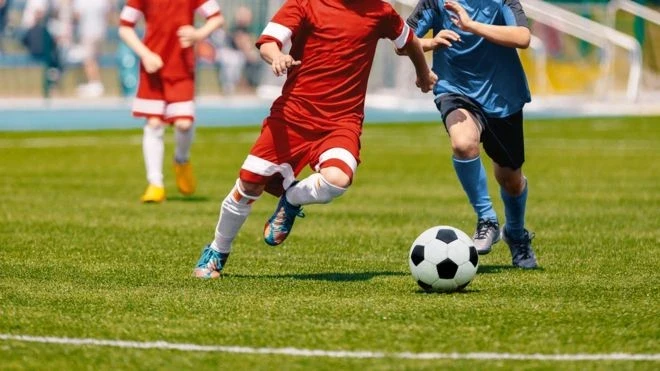
Several decades ago, childhood was associated with activity, outdoor communication, and interaction with peers. Physical activity, health practices, and live communication were an integral part of life.
Modern Children:
• spend most of their time indoors;
• have insufficient physical activity;
• interact with the world mainly through screens;
• quickly become accustomed to a sedentary lifestyle.
These changes are creating a new generation of children who are becoming more withdrawn and less prepared for physical and social challenges.
Problems with Hardening and Adaptation
Hardening was once the norm and began at an early age. Regular outdoor exposure and adaptation to temperature changes contributed to strengthening the body, including the cardiovascular system.
Now, these practices have nearly disappeared. Children spend less time outdoors, struggle more with climate changes, and get sick more often. This leads to a decrease in the body's resilience to stress, negatively affecting overall health.
Disruption of Physical Activity and Cardiovascular Risks
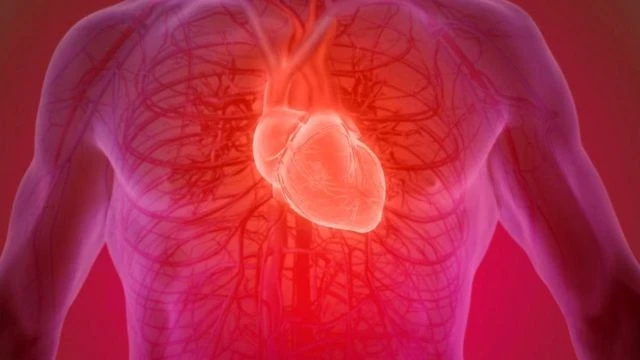
As a pediatric cardiologist, I increasingly observe the consequences of a lack of physical activity. A lack of movement affects the development of the cardiovascular system. In practice, we are seeing more and more:
• disorders of autonomic regulation;
• fluctuations in blood pressure;
• functional disturbances in heart rhythm;
• low endurance to physical loads.
For a growing body, movement is an important physiological stimulus. Without it, the cardiovascular system cannot develop properly.
The Digital Environment and Lack of Socialization
The digital reality has become a familiar part of children's lives. Many of them hardly leave their apartments, replacing live communication with virtual interaction. A lack of socialization, disruptions in sleep and wakefulness patterns, and a lack of physical activity create chronic stress, which negatively affects heart function and the psycho-emotional state of the child.
The Disappearance of Collective Health Practices
The decline of mass forms of collective health practices is also concerning. Previously, events such as summer camps and sanatoriums were important for forming children's immune defenses. They provided not only physical activity but also opportunities for interaction within a group.
Today, many children grow up in isolation, without regular contact with nature and peers. This reduces the body's adaptive abilities and increases susceptibility to infections.
Refusal of Vaccination and Increased Infectious Risks
In the context of the loss of collective health practices, another alarming trend is observed — parents' refusal of mandatory vaccinations. The decrease in vaccination rates leads to a weakening of collective immunity and the return of infections that were previously controlled.
The absence of collective immunization creates risks for outbreaks of infections, especially for children with chronic diseases, including cardiovascular ones.
Improper Self-Treatment and Uncontrolled Use of Antibiotics
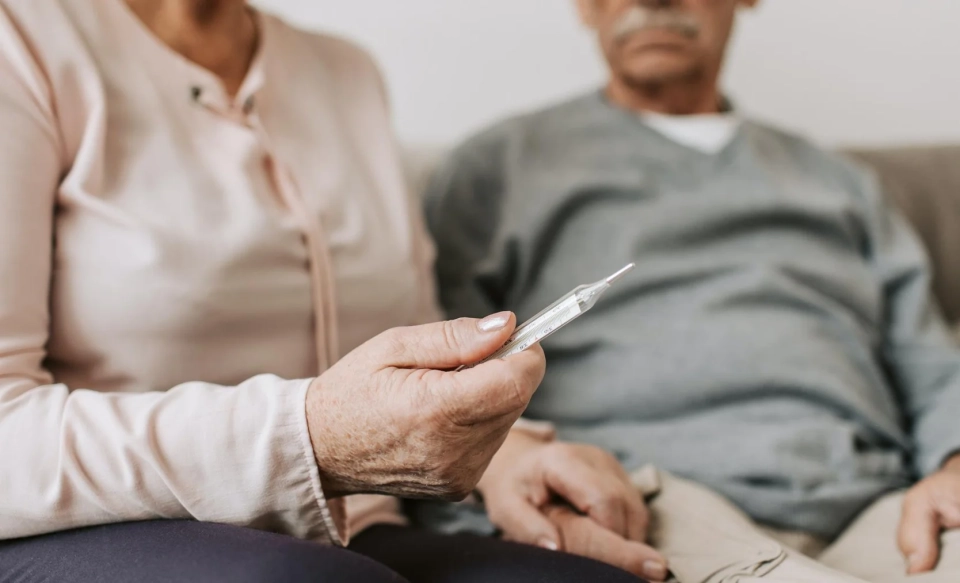
An additional threat is the self-treatment of children. The uncontrolled use of antibiotics without a doctor's prescription, especially for viral infections, leads to antibiotic resistance and a weakening of the immune system, which can cause complications.
This behavior undermines trust in medical prevention and creates a false sense of control over diseases.
The Future: What Awaits Us
If current trends continue, society may face:
• an increase in chronic diseases among children and adolescents;
• a rise in cases of cardiovascular diseases at a young age;
• a decrease in overall physical and social adaptation;
• an increased burden on the healthcare system.
Thus, we may encounter the problem of forming a generation with weakened health and reduced adaptability.
Shared Responsibility for Children's Health
Caring for children's health is not only the task of parents but of society as a whole. A comprehensive approach is necessary, including:
• a return to physical activity and collective forms of recreation;
• the development of accessible camps and sports programs;
• a conscious attitude towards vaccination;
• a refusal of self-treatment and trust in medical professionals;
• the formation of a culture of healthy living from childhood.
Children's health is a strategic resource for the country. The quality of life for future generations depends on the conditions we create today.