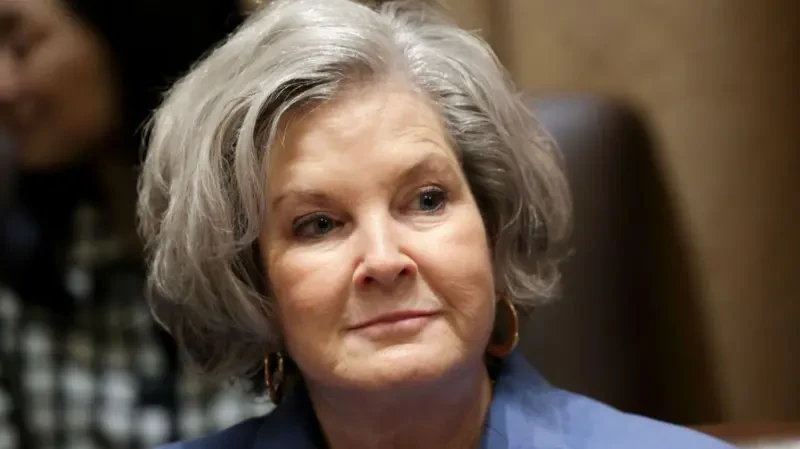
Mental health is a key aspect of overall well-being and quality of life. A specialist from the Republican Center for Health Promotion and Mass Communication, Aigerim Beermanova, emphasizes that caring for mental well-being is just as important as physical health.
When it comes to health, the first thing that comes to mind is physical condition: tests, blood pressure, diet, and physical activity. We turn to doctors when we experience pain, take medications, and strive to improve our physical state. However, we often forget that our mental state also affects our overall well-being.
Mental health is not something secondary or separate from physical health. It is a crucial component of a person's overall condition, without which it is impossible to lead a full life.
Definition of Mental Health
Mental health is understood as a state of psychological well-being that enables a person to cope with life's challenges, recognize and express their emotions, build relationships with others, pursue education, and enjoy life.
At the same time, one should not expect a constant state of calm or happiness. Experiencing anxiety, fear, sadness, or anger are natural human emotions that arise in response to changes and events in life. The main thing is the ability to cope with these feelings and recover after difficult periods.
The Connection Between Mental and Physical Health
The human body functions as a single system, where mental and physical health are interconnected and influence each other.
Prolonged stress, suppressed emotions, and anxieties can cause problems at the physical level: insomnia, headaches, heart and stomach ailments, as well as a weakened immune system. Conversely, physical ailments and limitations can negatively affect emotional well-being, causing fatigue and anxiety.
If we focus solely on physical health while ignoring mental well-being, the recovery process remains incomplete.
The Importance of Discussing Mental Health in Modern Society
The modern pace of life places high demands on people. Constant rushing, responsibilities, information overload, and worries about the future increase stress levels.
Many have become accustomed to living on the edge, perceiving fatigue and tension as the norm. Phrases like "Everyone feels this way" or "You just have to endure" become common. However, such a stance can lead to emotional burnout and deterioration of health.
Discussing mental health helps learn to notice the signals of one’s body and treat oneself with care.
Signs of Deteriorating Psychological State
Sometimes it is difficult for us to notice that mental health requires support. Pay attention to the following signals:
• constant fatigue;
• sleep problems;
• unwarranted anxiety;
• loss of interest in usual activities;
• difficulties with concentration;
• frequent mood swings.
These symptoms are not manifestations of weakness or bad character; they indicate the need for help and recovery.
How to Care for Mental Health
Caring for mental well-being begins with a mindful attitude towards oneself and one’s needs. It is important to maintain a sleep and rest schedule, find time for recovery, engage in physical activity, limit information overload, communicate with loved ones, and allow oneself to rest without guilt.
Even small, but regular actions can contribute to maintaining inner balance.
Don’t Be Afraid to Seek Help
Consulting a psychologist or psychotherapist is a responsible decision for caring for one’s health, just like visiting a doctor for physical ailments.
Specialists help to understand feelings, identify the causes of inner tension, and learn to cope with stressful situations. Early support facilitates the recovery of psychological well-being.
Conclusion
Mental health is a vital part of a person's overall condition. By paying attention to our inner state, we strengthen not only our psyche but also our physical health, improve our quality of life, and enhance our relationships with others. Caring for mental health is an investment in oneself and one’s future.