On Monday, March 9, Brent crude oil futures rose nearly 20% at the start of trading, reaching $111.04 per barrel (159 liters), as reported by Reuters.
At the same time, West Texas Intermediate (WTI) futures increased by 16.8%, reaching $106.17, with a peak of $111.24 during the session.
Since March 6, the price of Brent crude oil for May delivery has exceeded $90 per barrel for the first time since April 2024. Prior to the onset of military actions against Iran, which began on February 28, the price was around $70.
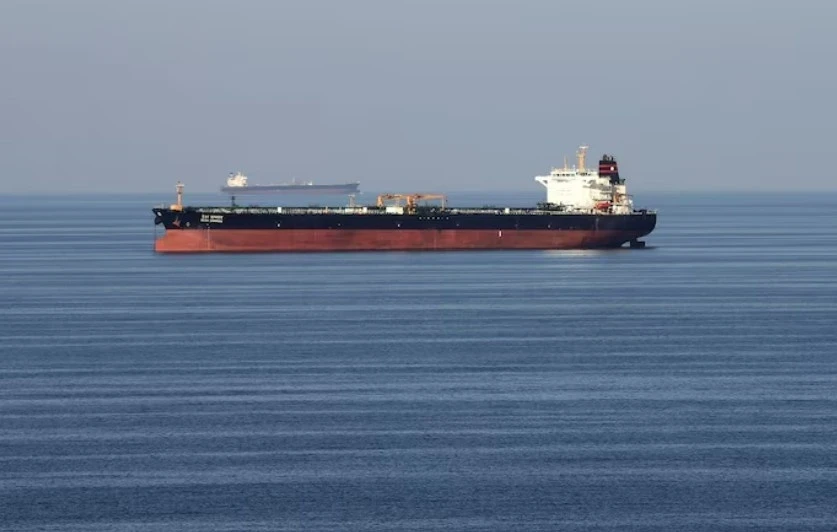
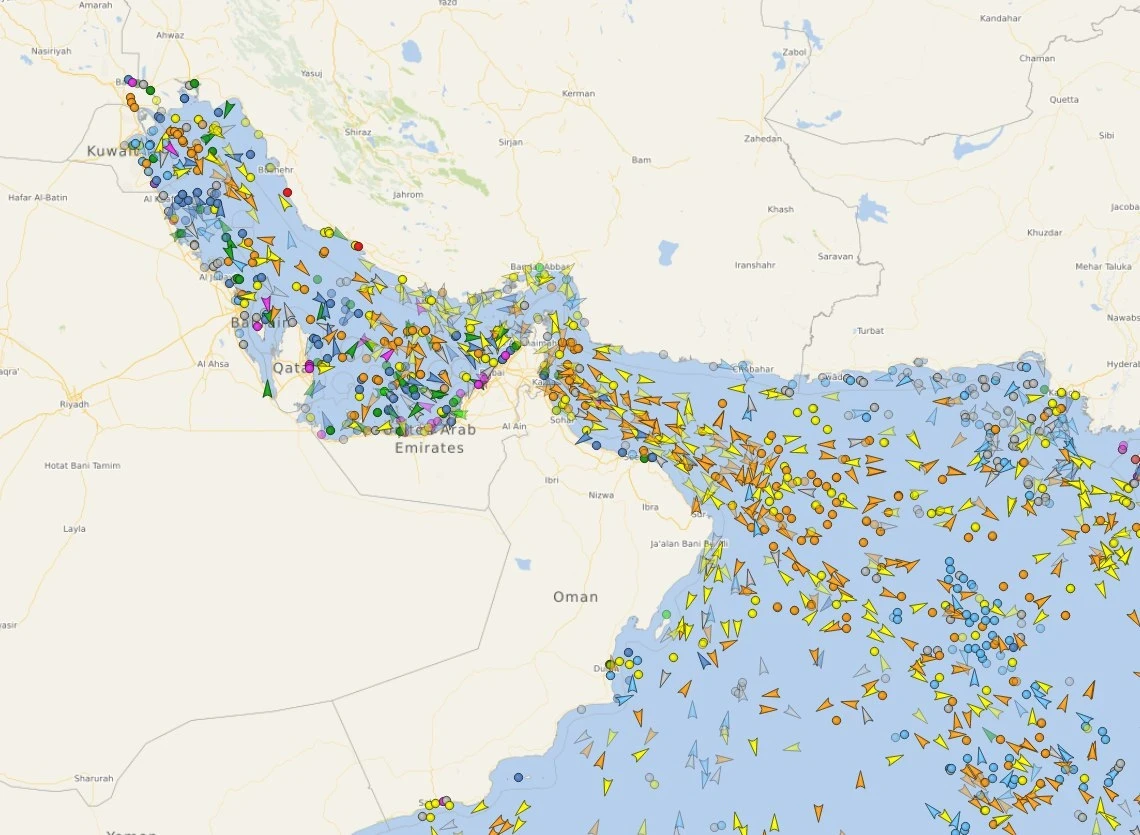
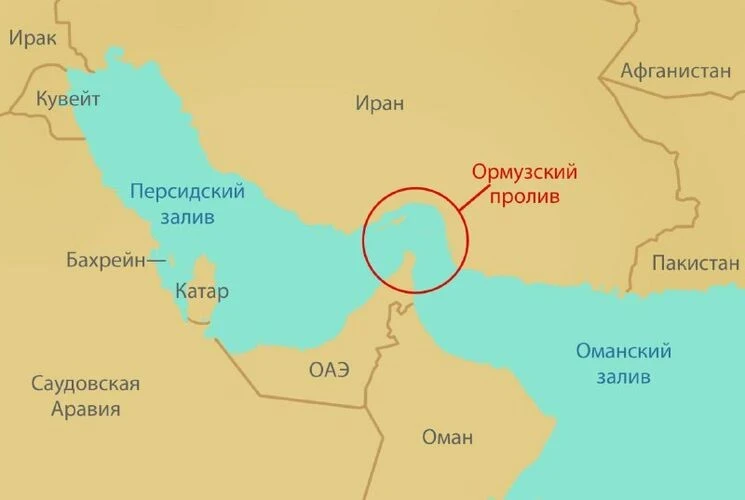
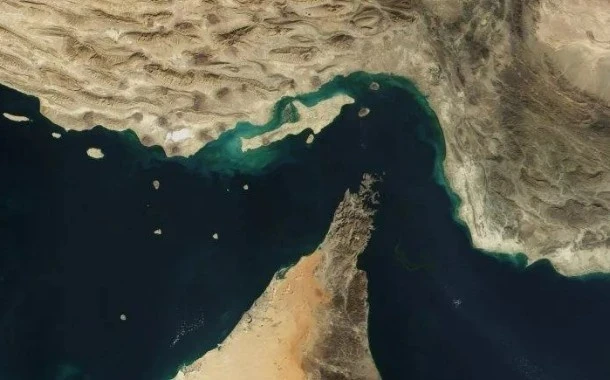
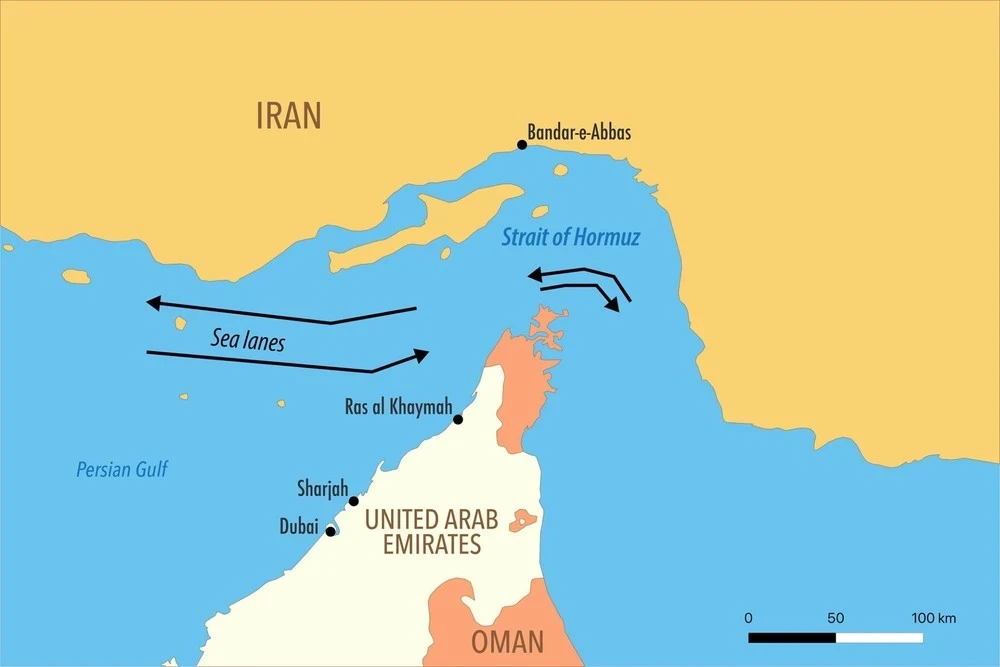
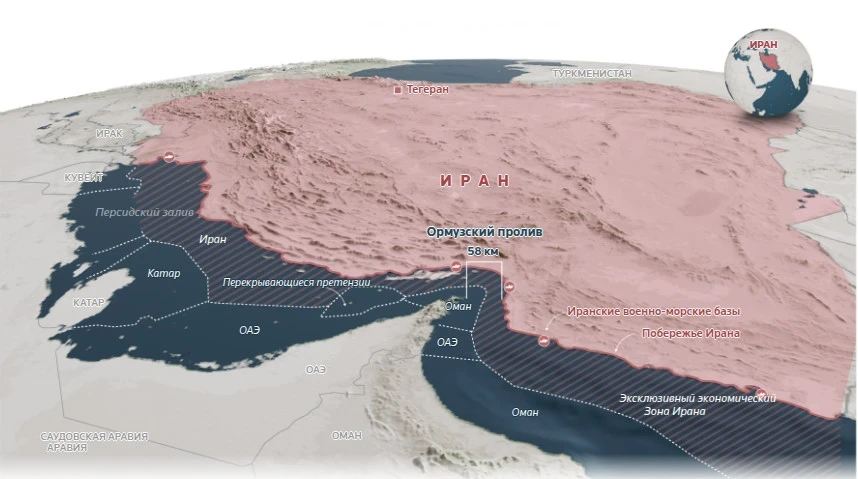
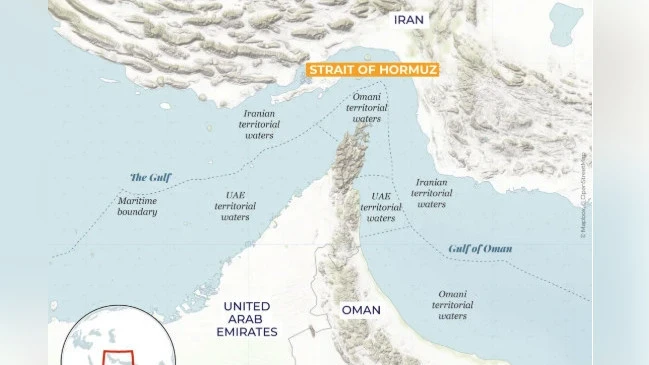
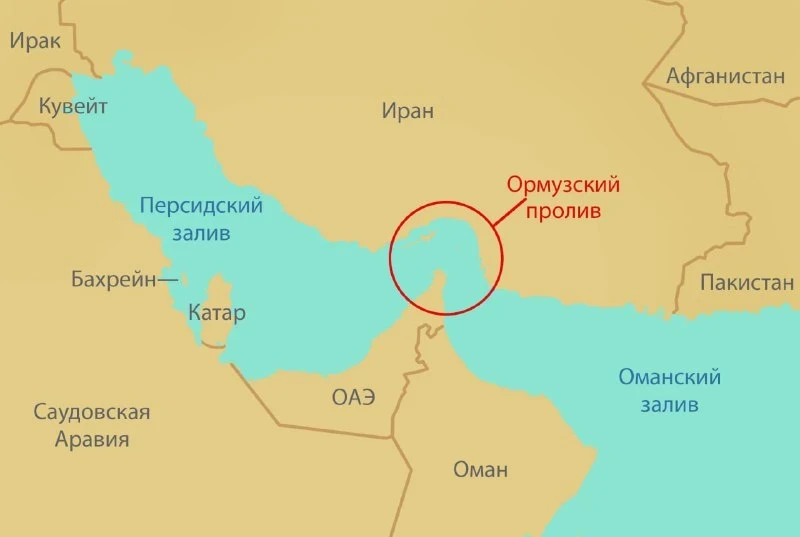
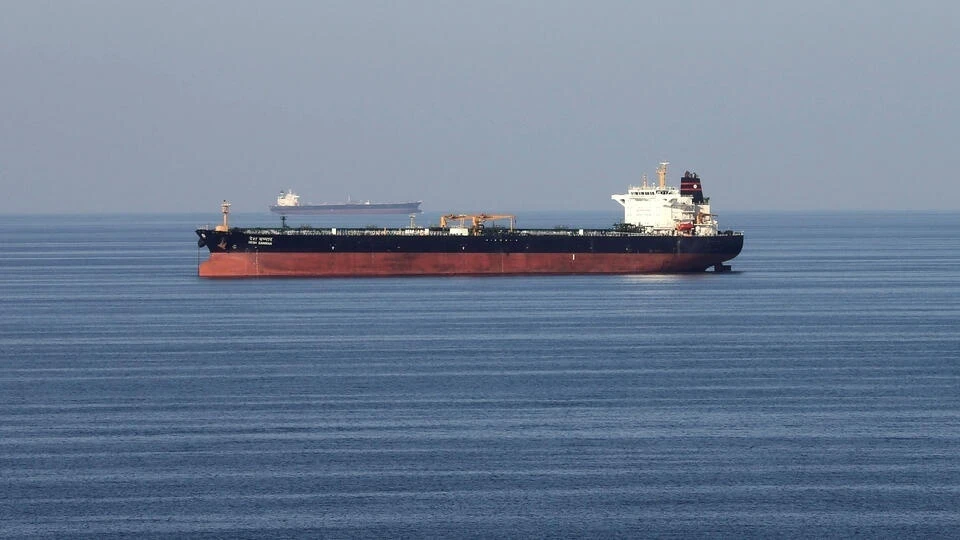
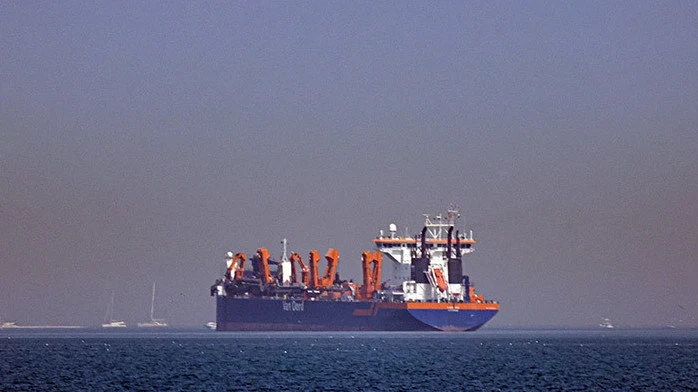
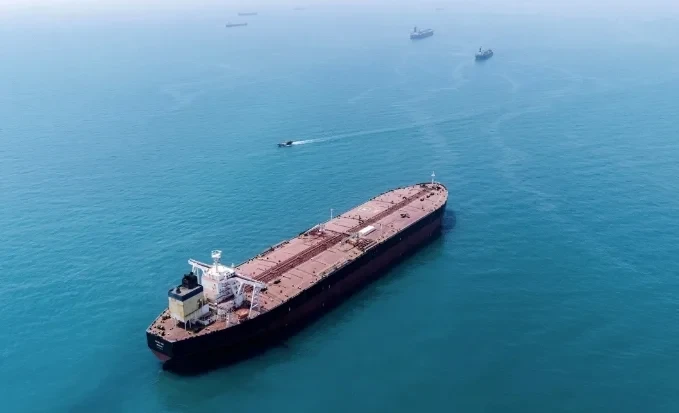
One of the key factors affecting the oil market remains the risk of a prolonged closure of the Strait of Hormuz, through which approximately 20% of the world's oil is transported during peacetime. This strait also plays an important role in the transportation of liquefied natural gas, for example, from Qatar.
Amid escalating tensions in the global oil market, U.S. Treasury Secretary Scott Bessent stated on March 6 about the possible easing of sanctions on Russian oil that is on tankers. On the same day, the U.S. allowed Indian refineries to purchase Russian oil already loaded on tankers for 30 days so that "oil could continue to flow into the global market."
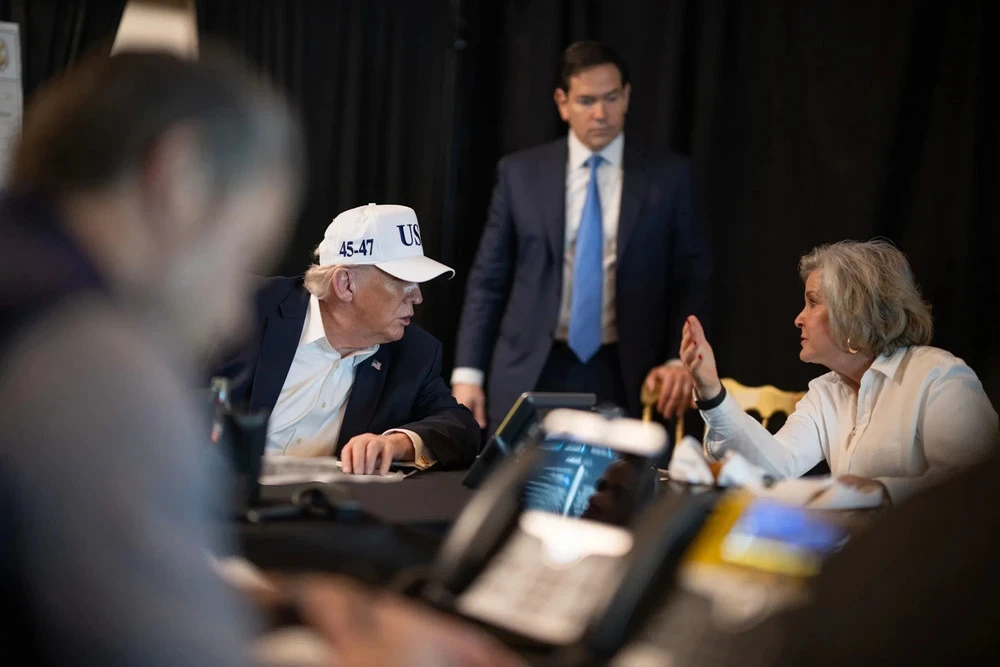
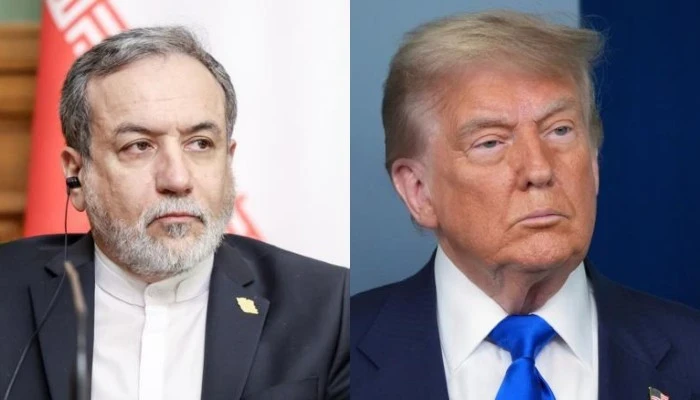
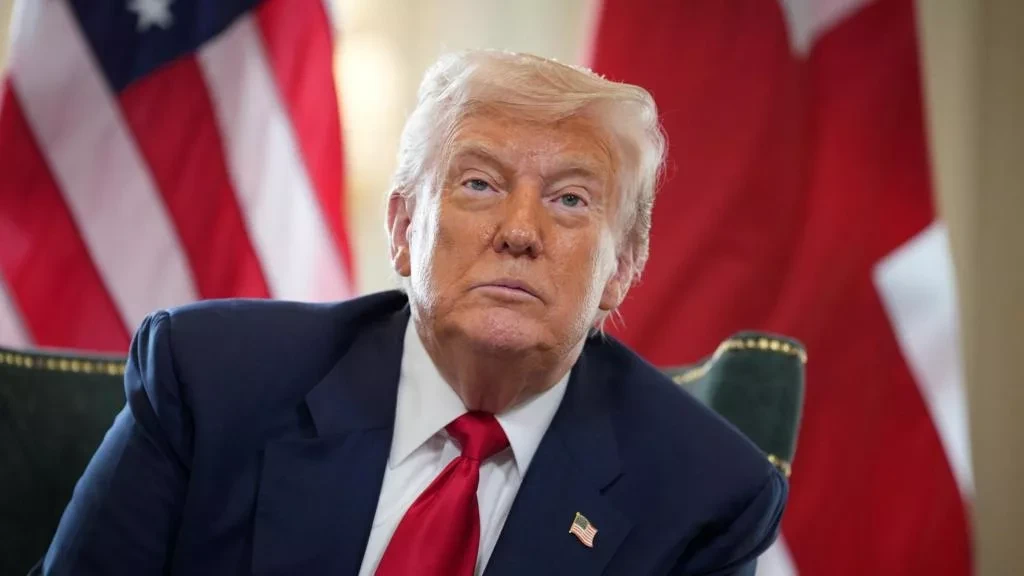
U.S. President Donald Trump, commenting on the sharp rise in prices, noted that the short-term spike is a "minor cost" for eliminating the Iranian nuclear threat. "The rise in oil prices, which will soon be overcome after the elimination of the Iranian nuclear threat, is a very small price for security and peace for the U.S. and the whole world," Donald Trump wrote on the social network Truth Social.
He also added: "ONLY FOOLS THINK OTHERWISE!"
In response, on March 7, Israel attacked Iran's oil infrastructure for the first time, striking five energy facilities in Tehran and its surroundings. In response to Israel's actions, the Islamic Revolutionary Guard Corps (IRGC) promised to attack oil facilities in the Persian Gulf countries, stating: "If you can tolerate oil prices above $200 per barrel, keep playing," The Guardian quotes.