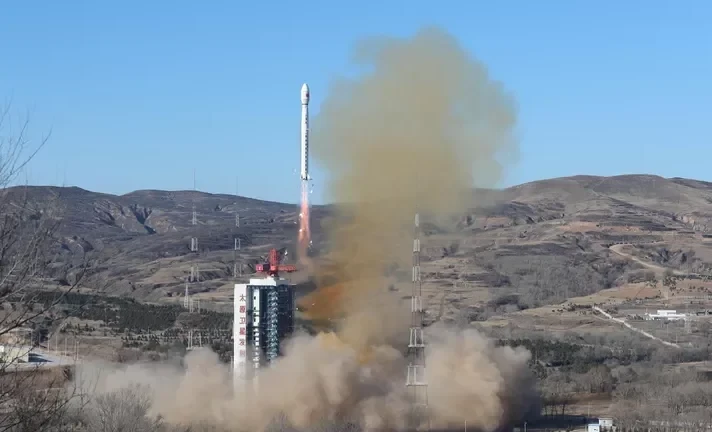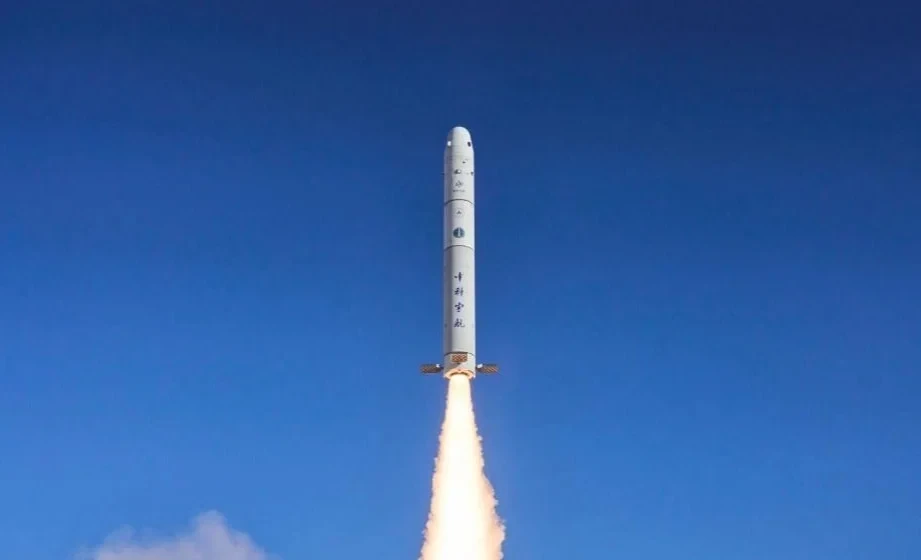
The commercial aerospace company from China, CAS Space, successfully completed the test flight of its suborbital vehicle "Lihun-1 Y1," which is designed to develop space tourism. This was reported by the Xinhua agency.
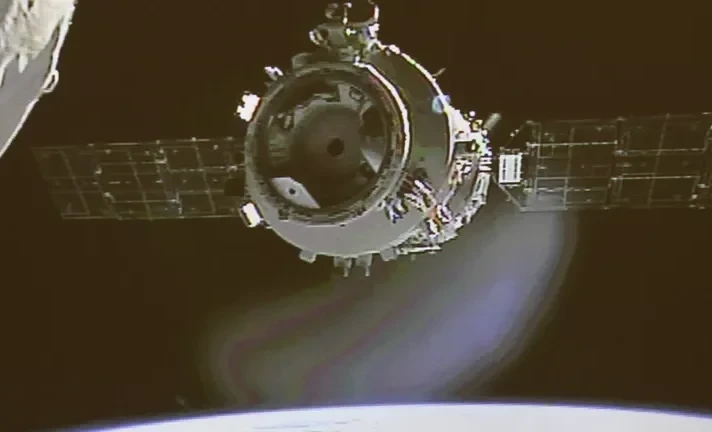
During the tests, the capsule returned to the Jiuquan launch site, successfully landing with the help of a parachute system. The flight reached a maximum altitude of 120 km, where engineers had the opportunity to test aerodynamic braking technology and a system for ultra-precise landing.
CAS Space views its project as an economically accessible platform for commercial use. Developers claim that the vehicle can provide over 300 seconds of stable microgravity, opening opportunities not only for tourists but also for scientific research.
On board the vehicle was equipment from the Institute of Mechanics of the Chinese Academy of Sciences, intended for laser additive manufacturing in microgravity conditions. Testing results confirmed that the rocket is capable of supporting orbital production.
Additionally, during the flight, samples of rose seeds were sent, which will be studied for genetic mutations to develop new varieties and create a germplasm bank of "space roses."
According to Deputy Chief Designer Wang Yincheng, the company intends to expand the Lihun series of vehicles. Currently, CAS Space is focusing on the development of life support and emergency rescue systems.