The court in London partially upheld Kazakhstan's claims, which insisted on a payment of over $6 billion. Although the final amount of compensation has not yet been determined, experts estimate it to be in the range of $2 to $4 billion.
The court agreed with the arguments of the Kazakh government, which claimed that the Karachaganak operators improperly compensated expenses that were not pre-approved and not subject to reimbursement under the production sharing agreement (PSA). This decision is expected to affect the redistribution of oil within the existing agreement, although the defendants may still appeal the verdict.
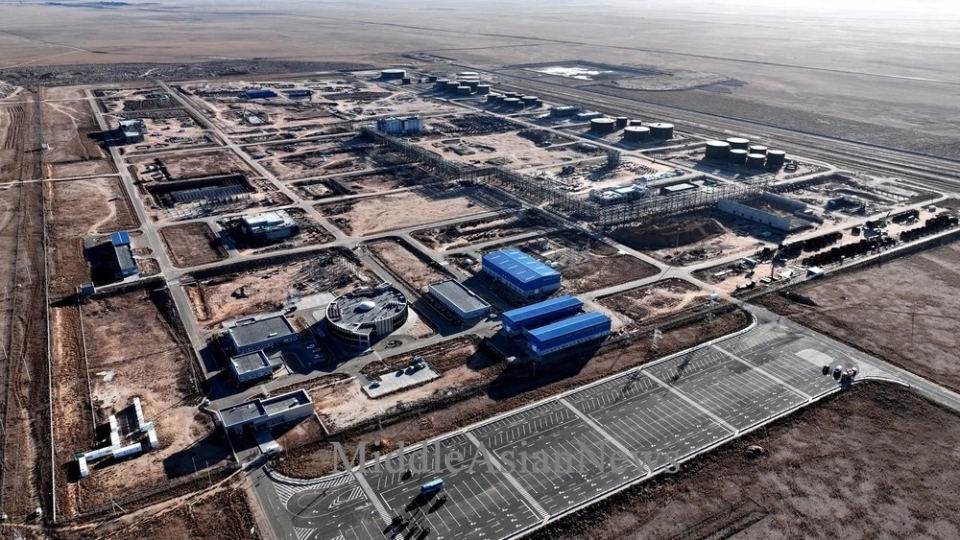
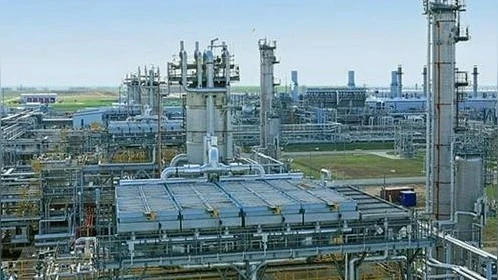
Karachaganak is one of the largest oil and gas condensate fields in the world, located in western Kazakhstan and covering more than 280 square kilometers. The development of the field is carried out by an international consortium based on a production sharing agreement signed with Kazakhstan on November 18, 1997. The main operators of the project are Royal Dutch Shell and Eni, each holding 29.25% of the shares. The project also includes Chevron (18%) and LUKOIL (13.5%), while the share of the national operator KazMunayGas is 10%.
Legal proceedings with the Karachaganak operators were initiated in 2023. The initially demanded amount was $3.5 billion, but it increased due to allegations of inflated expenses and possible corruption. In 2024, international companies proposed to resolve the conflict by constructing a gas processing plant for domestic market needs, but this option also led to new disputes. To date, most of the gas produced at Karachaganak is reinjected into the reservoir, while the remaining portion is sent to Russia for the Orenburg gas processing plant, as there are no processing facilities at the field.
The issue of constructing a gas processing plant at Karachaganak has been discussed since the early 2000s. Negotiations were also held with the field operators; however, last summer it became known that Kazakhstan rejected the construction of the plant under the terms proposed by Eni and Shell. The companies demanded an additional payment of $1 billion on top of 100% of the project costs, which was deemed unacceptable by the country's authorities.