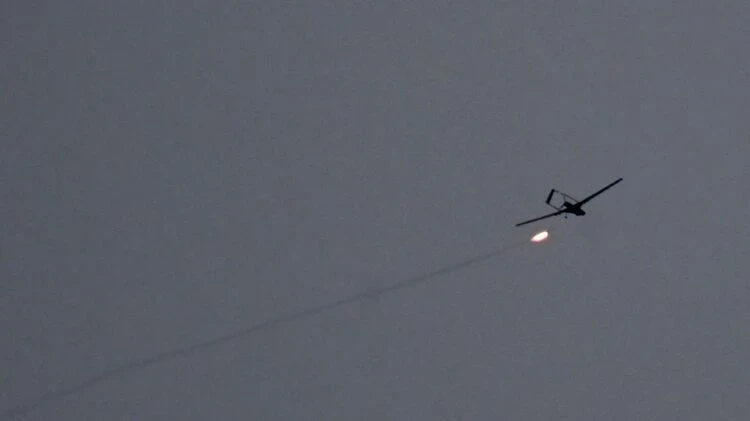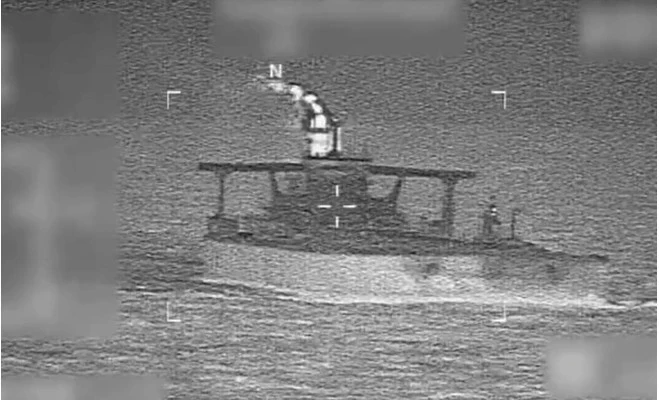
The Ministry of Energy of Kazakhstan has officially confirmed the fact of a drone attack on two tankers involved in the transportation of Kazakh oil in the Black Sea. This statement was made on the evening of January 13, as indicated in the agency's message.
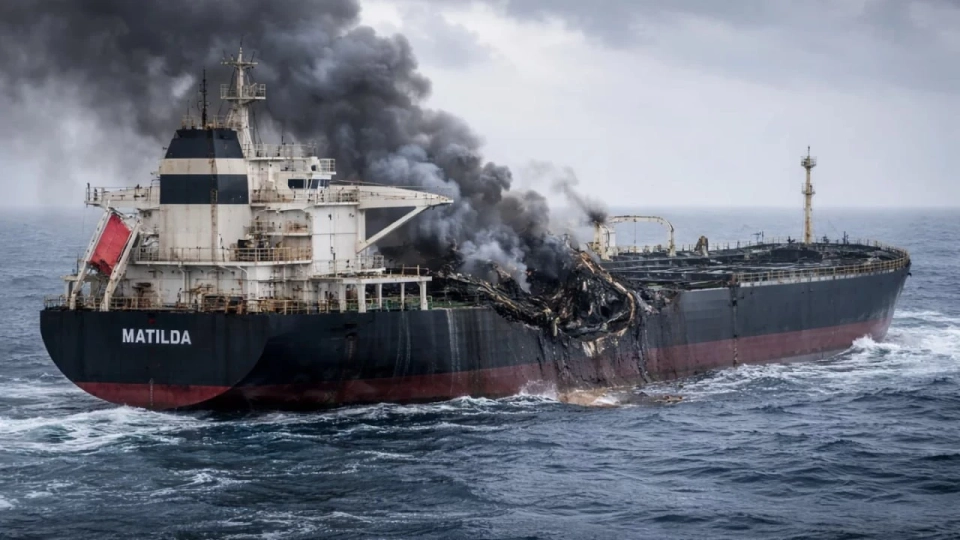
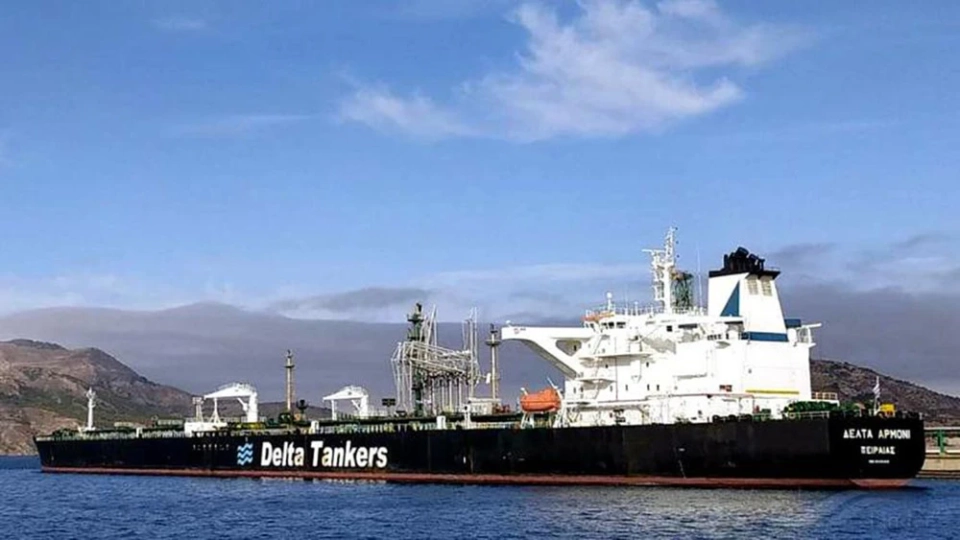
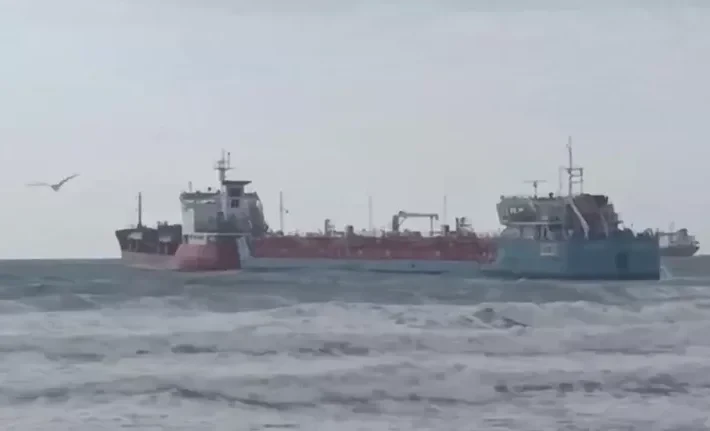
According to the ministry, the tankers "Matilda" and "Delta Harmony" were hit while near the terminal of the Caspian Pipeline Consortium (CPC) in the Novorossiysk area.
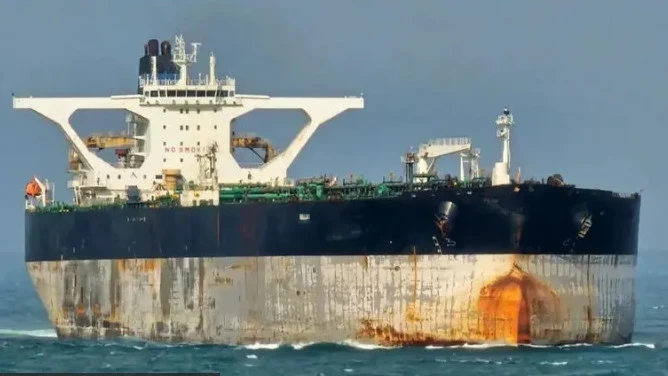
The tanker "Matilda," chartered by a subsidiary of "KazMunayGas," was sailing under the flag of Malta. As a result of the drone attack, an explosion occurred on board; however, no fire was recorded. The crew was unharmed, and according to preliminary assessments by technical specialists, the tanker remained seaworthy, with no critical damage.
As for the tanker "Delta Harmony," registered under the flag of Liberia, it also came under drone attack while waiting for loading. A fire broke out on this vessel but was quickly extinguished. The crew members were unharmed, and it is reported that at the time of the incident, oil loading had not yet begun, which helped avoid damage to Kazakhstan's exported resources.
The Ministry of Energy is currently actively cooperating with "KazMunayGas," the consortium's administration, and the shipowners to ensure the reliability of logistics chains and the stability of oil supplies.
Earlier, on January 13, Reuters reported drone attacks on oil tankers in the Black Sea, citing its sources. It was also mentioned that two other vessels—Delta Supreme and Freud—were attacked; however, this information has not been confirmed.
The Caspian Pipeline Consortium represents the main route for transporting oil from the Caspian region to international markets. This pipeline, 1,500 kilometers long, connects the fields of Western Kazakhstan (such as Tengiz, Karachaganak, and Kashagan) with the Russian Black Sea coast, where oil is loaded onto tankers via the CPC marine terminal.
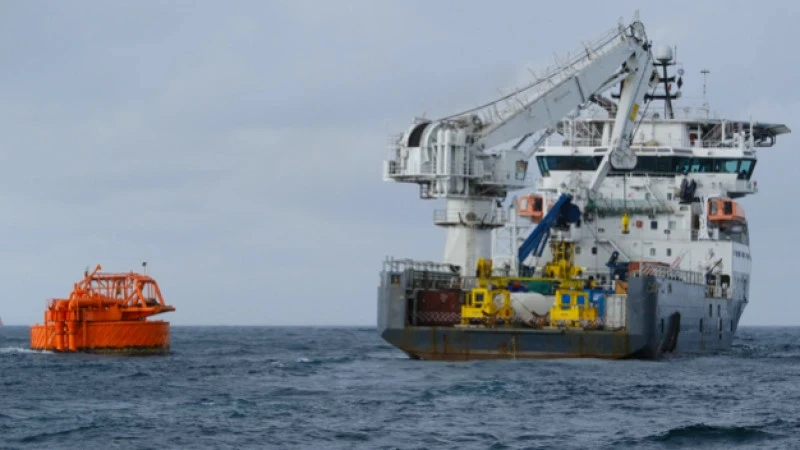
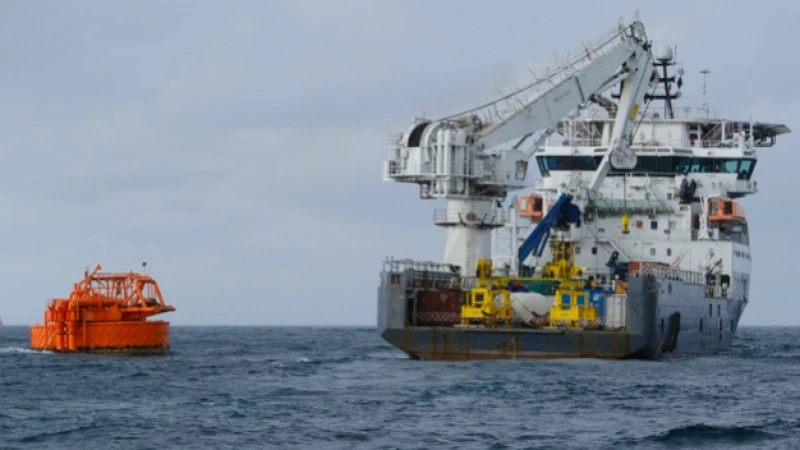
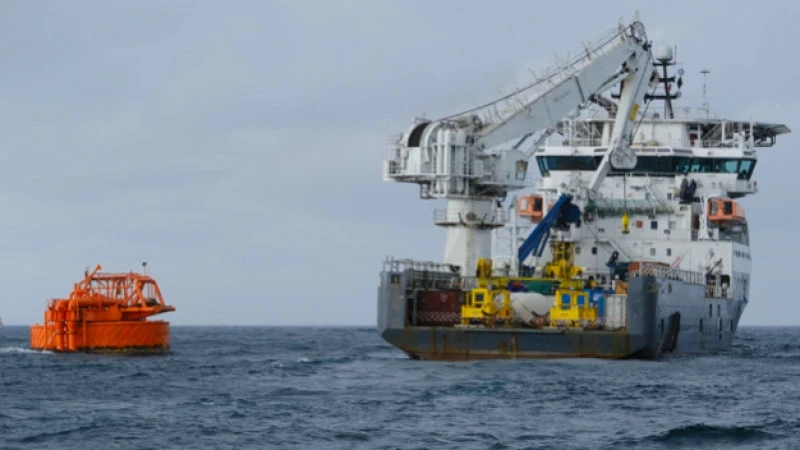
In recent months, the volumes of supplies through this route have significantly decreased. The reasons lie in adverse weather conditions, which have repeatedly halted the shipment of raw materials. Additionally, the commissioning of the second offshore loading facility (OLF) has been delayed after maintenance, and at the end of November, one of the loading facilities was damaged by Ukrainian drones. As a result, Kazakh oil is currently being shipped only through one operational loading facility, although the country requires at least two functioning OLFS for stable exports.
According to Bloomberg, Kazakhstan currently produces about 1.8 million barrels of oil per day. In the absence of full operation of the CPC, the republic can export only half of this volume via alternative routes, which may lead to a reduction in production at the fields in the event of a prolonged downtime.