Supplies of CPC Blend in January are expected to be 800,000 to 900,000 barrels per day, which is 45% lower than anticipated in mid-December, according to trader data.
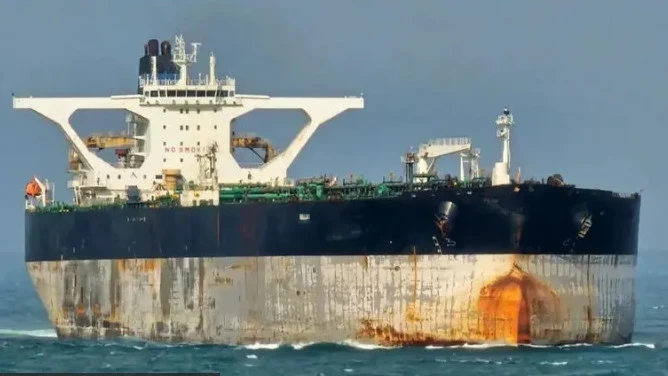
Out of the planned 45 shipments, at least 21 have been canceled. This reduction in supplies has already led to a price increase, and for the first time in a year, Kazakh oil has started trading at a premium. Recent transactions have been made with a markup of $1.20 per barrel relative to the Dated Brent standard.
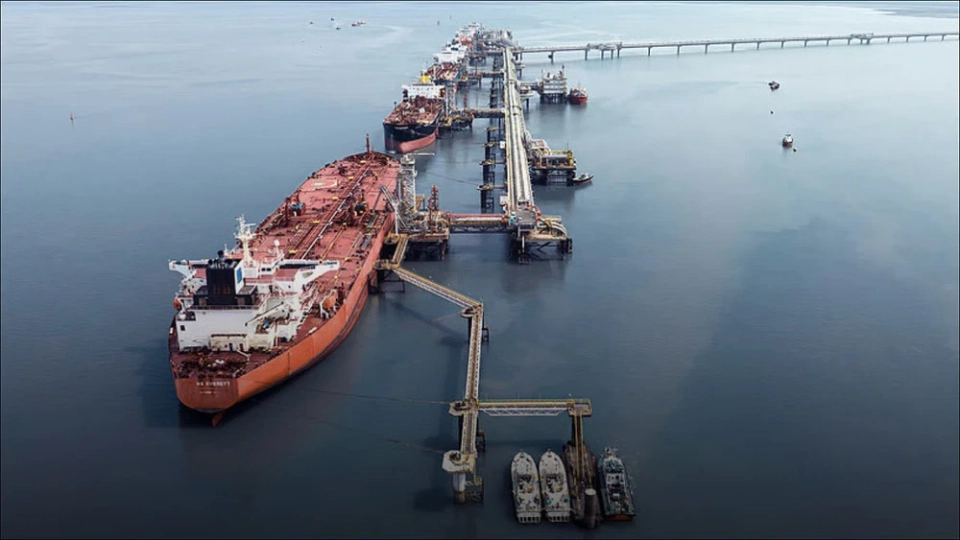
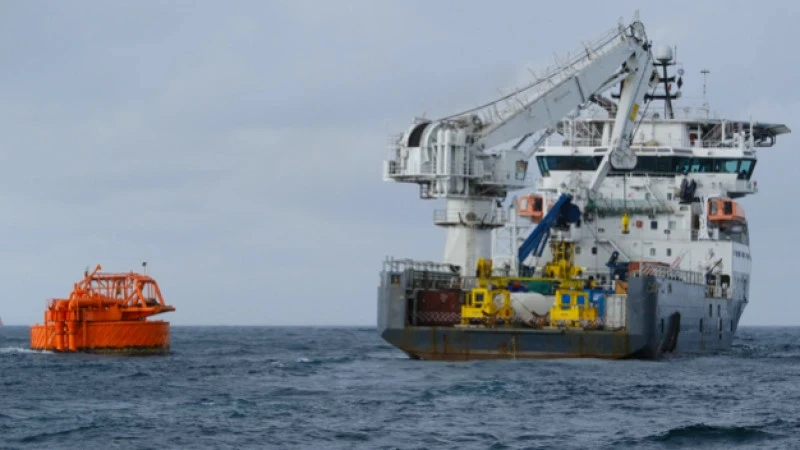
Supply issues are attributed to regular disruptions at the terminal, the agency notes. In recent weeks, crude oil shipments have been suspended several times due to bad weather. This has also delayed the launch of the second offshore terminal after its maintenance. Additionally, at the end of November, another terminal was damaged due to attacks by Ukrainian drones. Astana requires at least two operational CPC terminals to maintain export volumes.
According to sources, the Caspian Pipeline Consortium's pipeline system has currently stopped accepting oil from producers due to overflowing storage tanks.
The Caspian Pipeline Consortium is responsible for about 80% of Kazakhstan's oil exports, including major companies such as Chevron, Exxon Mobil, and Shell. The country as a whole produces about 1.8 million barrels of oil per day. Without the full operation of the CPC, Kazakhstan will only be able to export half of this volume through alternative routes, and prolonged downtime may necessitate production cuts at the fields.