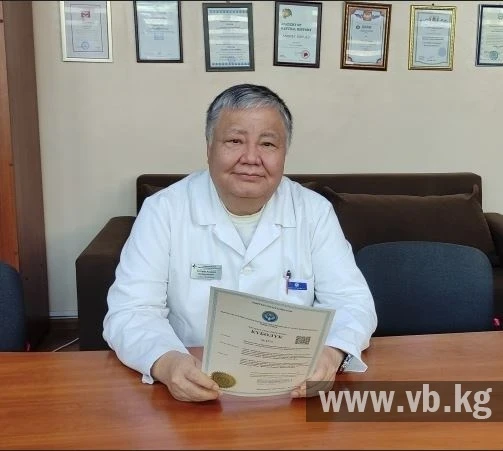
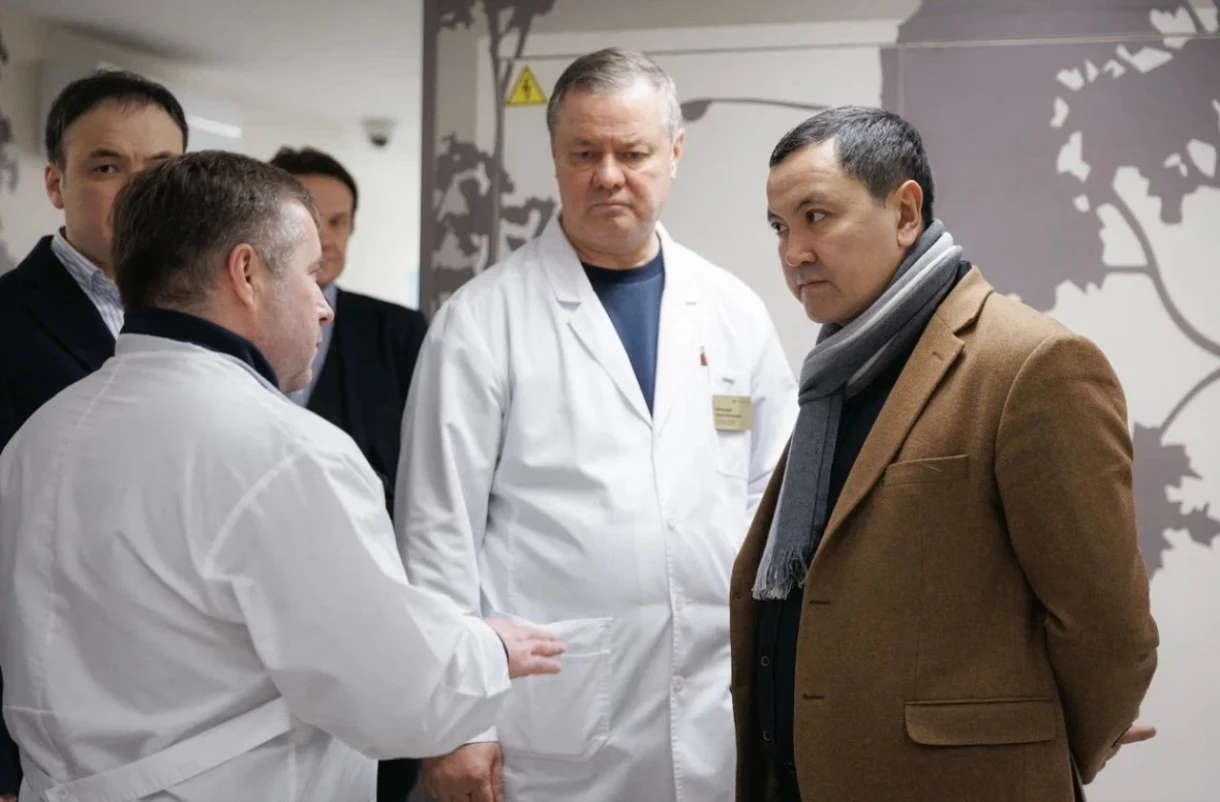
- Igor Pershukov is a professor and doctor of medical sciences, as well as a PhD. He heads the Department of Hospital Therapy with a course in Radiation Diagnostics and Oncology at Jalal-Abad State University and is a fellow of the American College of Cardiology (FACC) and the American Society of Cardiovascular Angiography and Interventions (FSCAI).
Here are his main conclusions:
“At the beginning of the 20th century, doctors had only a scalpel and radiation therapy methods for treating tumors. By the mid-century, this list expanded to include drug methods such as chemotherapy and hormone therapy. By the end of the 20th century, biotherapy, cryogenic and laser treatments, as well as photodynamic therapy were introduced.
1. Surgical Intervention
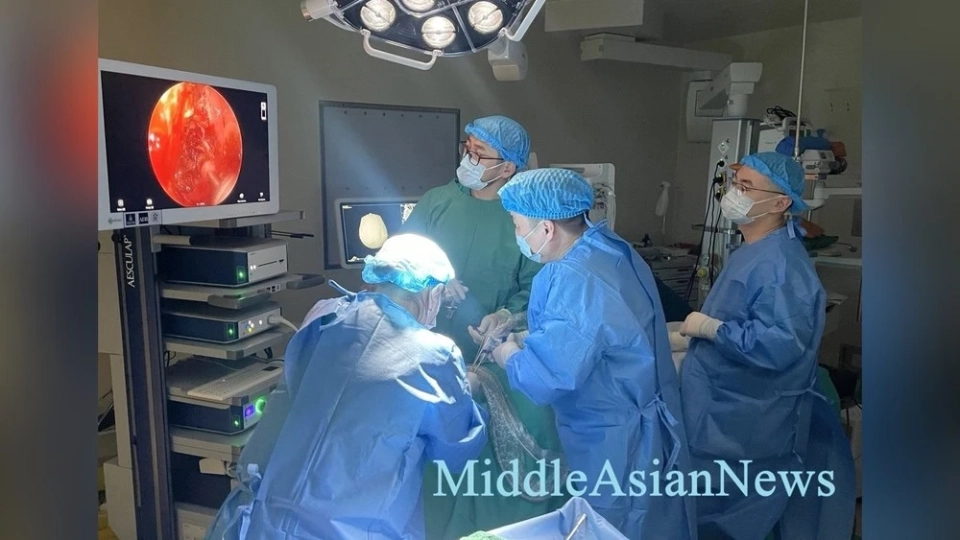
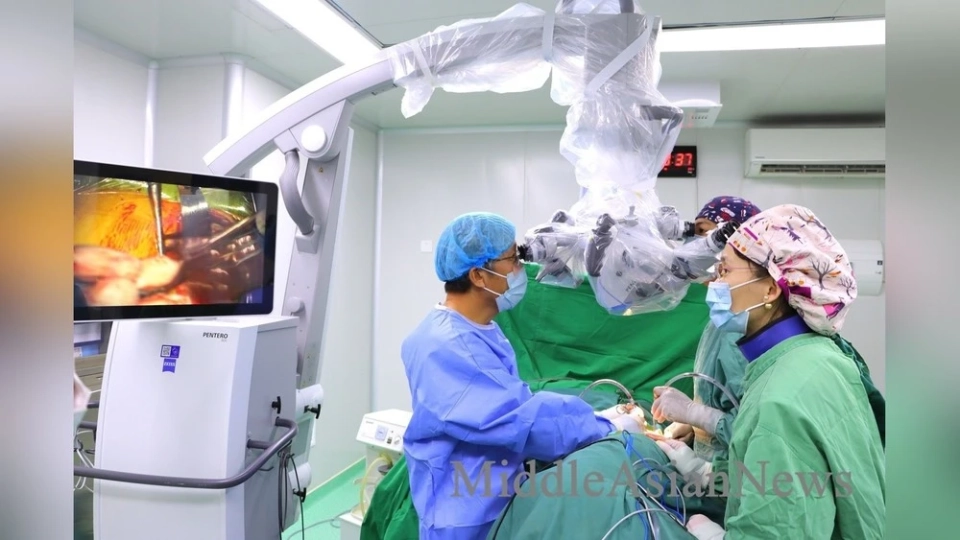
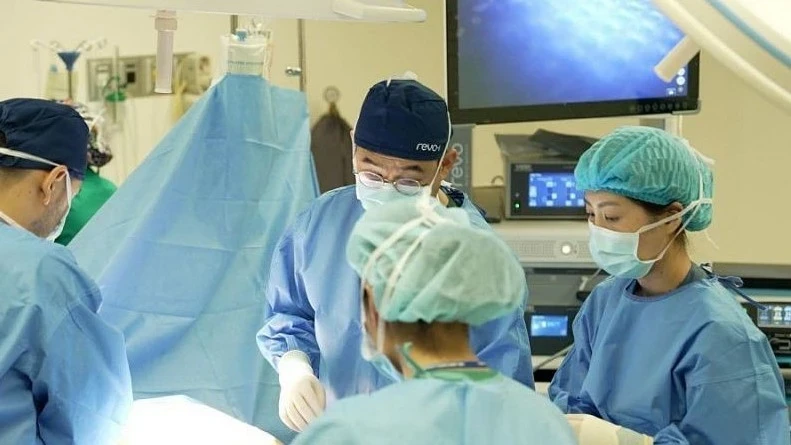
Surgery remains the most important method in the treatment of malignant tumors. Thanks to advancements in anesthesiology, surgical intervention methods have significantly improved, allowing for complex operations, including the resection of multiple organs.
In the last 15 years, surgeries for tumor removal in the brain, spine, and mediastinum have become popular. For example, the N.N. Blokhin Russian Cancer Research Center (RONC) has experience performing over 100 nephrectomies in patients with kidney cancer, including the removal of a thrombus from the inferior vena cava. Indications for surgical treatment of cancer patients with concomitant heart diseases are also expanding, which sometimes requires preliminary or simultaneous coronary bypass surgeries.
The future of surgery in oncology is linked to the development of organ-preserving operations for tumors sensitive to drug and radiation methods, as well as the rehabilitation of patients after extensive surgeries.
Organ-preserving interventions are actively used in breast cancer and malignant bone tumors. Endoprosthetics and breast reconstruction are becoming increasingly common, and methods for endo- and ectoprosthetics after traumatic surgeries are being developed.
2. Radiation Therapy
About 70% of patients with oncological diseases undergo radiation therapy in various forms — primary, combined, or palliative. The prospects for increasing the effectiveness of radiotherapy are associated with experimental developments aimed at managing the radiosensitivity of normal and tumor cells. New methods of radiomodification include irradiation with large fractions, the use of hypothermia and thermoradiotherapy, as well as intratissue radiation therapy methods.
2a. Proton Therapy
A lesser-known method of radiation therapy — proton therapy — is used for treating oncological diseases. Unlike traditional photon therapy, it uses proton beams, allowing for more precise targeting of the tumor and minimizing damage to healthy tissues.
How Proton Therapy Works
Protons have a unique property known as the Bragg peak: the maximum energy of radiation is released at a point at a certain depth, allowing the beam to stop in the tumor without damaging healthy tissues. This is especially important when treating tumors located near vital organs and structures, such as the brain and spine.
Modern devices use the "pencil beam scanning" (PBS) method, which provides high precision in irradiation by "shading" the tumor with a narrow proton beam.
Advantages of Proton Therapy
- Low burden on healthy tissues. Side effects are significantly lower compared to traditional methods.
- Effectiveness in complex localizations. The method is suitable for tumors located near vital organs.
- Lower risk of secondary tumors. This is especially important for children, as proton therapy reduces the likelihood of new malignant formations in the future.
- Applicability for children and weakened patients. The method helps maintain quality of life, preventing growth and cognitive function impairments.
- Possibility of repeat courses. Proton therapy can be used for recurrences.
Indications for Proton Therapy
Proton therapy is indicated for:
- malignant and benign brain tumors;
- head and neck tumors;
- neoplasms near critical structures;
- sarcomas;
- lung, breast, and liver cancer;
- eye diseases;
- tumors in children.
Contraindications
- severe patient condition;
- active stage of tuberculosis;
- acute emergency conditions;
- pregnancy;
- certain mental illnesses;
- low performance status on the Karnofsky scale.
Where to Receive Treatment
Proton therapy is available at specialized centers, such as the A.F. Tsyba MRNC in Obninsk and the FNCC of Medical Radiology and Oncology of the FMBA of Russia in Dimitrovgrad. Treatment is also provided in clinics in the Czech Republic, Spain, France, Germany, and South Korea.
The decision to prescribe proton therapy is made by the oncologist after a thorough assessment of the patient's condition.
2b. Carbon (Carbon Ion) Therapy
Carbon therapy is a more advanced method that uses carbon ions to treat oncological diseases. This form of hadron therapy is considered safer and more effective than traditional photon therapy, as it allows for more precise targeting of the tumor and minimizes damage to healthy tissues.
How Carbon Therapy Works
Carbon ions have a high ionizing capability, delivering most of their energy at the Bragg peak, which allows for maximum concentration of the radiation dose on the tumor while significantly reducing it on healthy tissues.
Advantages of Carbon Therapy
- Effectiveness against radioresistant tumors.
- Shortened treatment course due to high efficacy.
- Minimization of damage to healthy tissues.
Areas of Application for Carbon Therapy
The method has been studied for the treatment of various malignant neoplasms, including:
- intracranial tumors;
- malignant tumors of the head and neck;
- lung cancer;
- gastrointestinal tumors;
- prostate cancer;
- sarcomas;
- malignant skin neoplasms;
- breast cancer;
- gynecological tumors;
- pediatric oncological diseases.
Methods of Performing Carbon Therapy
Carbon therapy can be performed in two ways:
Passive scattering. A collimator is used to shape the beam.
Active scanning. A narrow beam is used, which allows avoiding the use of a collimator.
Limitations and Disadvantages
- High cost of treatment.
- Complex technologies and need for qualified personnel.
- Limited availability of treatment centers.
Prospects
Research is being conducted on the possibilities of combining carbon therapy with immunotherapy, as well as the potential of FLASH therapy — ultra-high doses of radiation delivered in milliseconds.
3. Drug Methods
Drug treatment methods, such as chemotherapy, hormone therapy, and immunotherapy, are rapidly developing. Oncologists have access to over 100 antitumor drugs and hormones. Some tumors, such as uterine choriocarcinoma, are now successfully treated with drug methods alone, achieving a cure rate of over 80% of patients.
However, most tumors remain poorly sensitive to drug methods. Recent studies are expanding the possibilities of drug therapy, including new treatment regimens and mechanisms to overcome drug resistance.
4. Physical Methods of Impact
Physical methods of impacting tumors are becoming increasingly relevant. Cryogenic treatment, laser therapy, photodynamic therapy, and radiofrequency ablation are actively researched and applied for the treatment of various malignant formations.