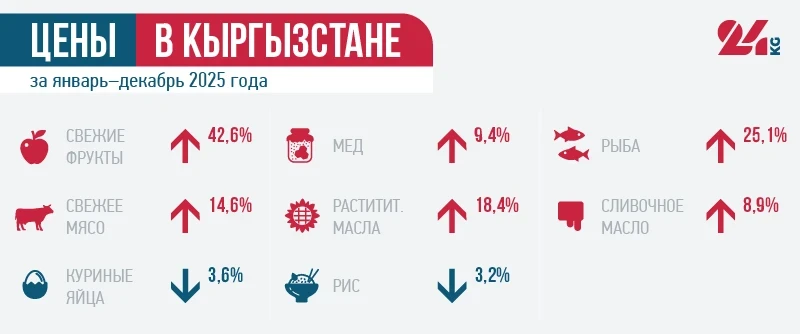
In January 2026, a decrease in the global food price index is observed. This decline has been ongoing for five months. The data was provided by the Food and Agriculture Organization of the United Nations (FAO) according to its information.
According to the FAO, key factors for the price drop include falling prices for dairy products, sugar, and meat.
Grains
Despite a slight decrease in prices for wheat and corn, the FAO grain index increased by 0.2 percent. This is due to large wheat stocks that compensated for weather risks for winter crops in Russia and the USA, as well as corn stocks that mitigated the negative effects of adverse weather in Argentina and Brazil and increased demand for ethanol in the USA. The rice price index also showed an increase of 1.8 percent.
Vegetable Oils
The vegetable oil price index rose by 2.1 percent. This occurred due to seasonal declines in palm oil production in Southeast Asia and sustained demand for imports. Soybean oil became more expensive due to reduced export supplies from South America and expectations of high demand for biofuels in the USA. There is also a price increase for sunflower oil, which is linked to limited supply in the Black Sea region. At the same time, the cost of rapeseed oil fell due to significant import volumes into the European Union.
Meat
The meat price index decreased by 0.4 percent, which is associated with falling pork prices due to an abundance of supply and weak demand. However, the cost of poultry increased, particularly due to rising prices in Brazil, where there is high export demand. Prices for beef and lamb remained unchanged, as increased supplies from Brazil to China compensated for the rapid use of the duty-free quota by the USA.
Dairy Products
The dairy price index decreased by 5 percent, with cheese and butter experiencing the largest price drops due to sufficient supply volumes. At the same time, the cost of skimmed milk powder increased against the backdrop of renewed demand from countries in the Middle East, North Africa, and certain regions of Asia.
Sugar
Sugar prices fell by 1 percent, which the FAO attributes to the expected increase in global supply this season due to the recovery of production in India, favorable forecasts for Thailand, and a positive situation in Brazil.
Grain Production Forecast
The FAO also updated its forecast for global grain production, which is expected to reach a record level of 3.023 billion tons. The upward revision of the forecast is linked to a higher-than-expected wheat harvest in Argentina, Canada, and the EU, as well as the expansion of corn plantings and increased yields in China and the USA. Rice production is also set to increase, primarily in India, Bangladesh, Brazil, China, and Indonesia.