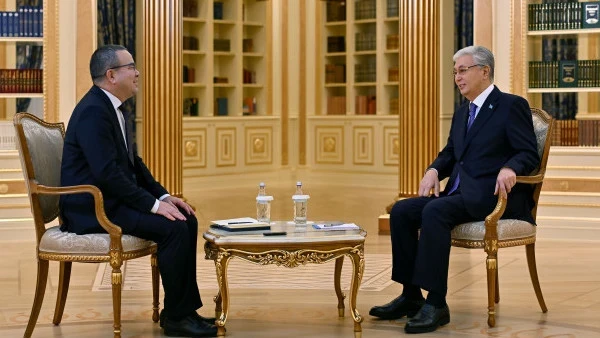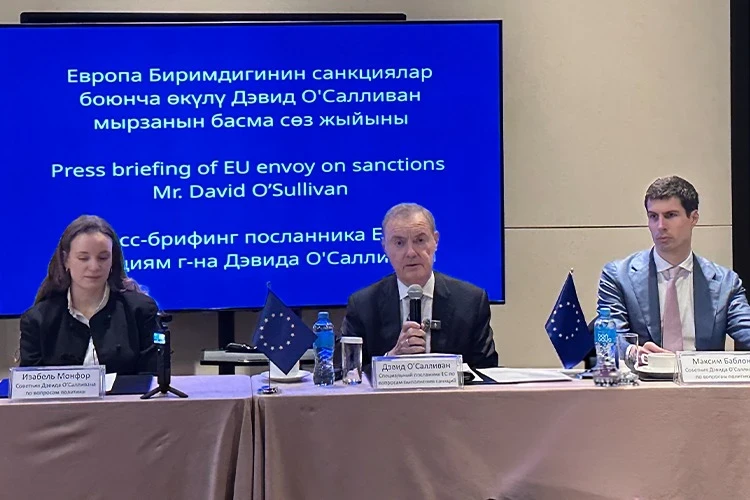
Photo 24.kg. EU Special Envoy for Sanctions David O'Sullivan — in the center
He expressed concern over the sharp increase in the supply of machinery and radio equipment, which are mainly imported from Europe and intended for re-export to Russia, as they are not produced in Kyrgyzstan.
“We are not insisting on the adoption of sanctions, but we ask that you do not allow your territory to be used for evasion. The mentioned goods constitute a small part of trade and have no economic value for Kyrgyzstan – they are simply transiting,” he clarified.
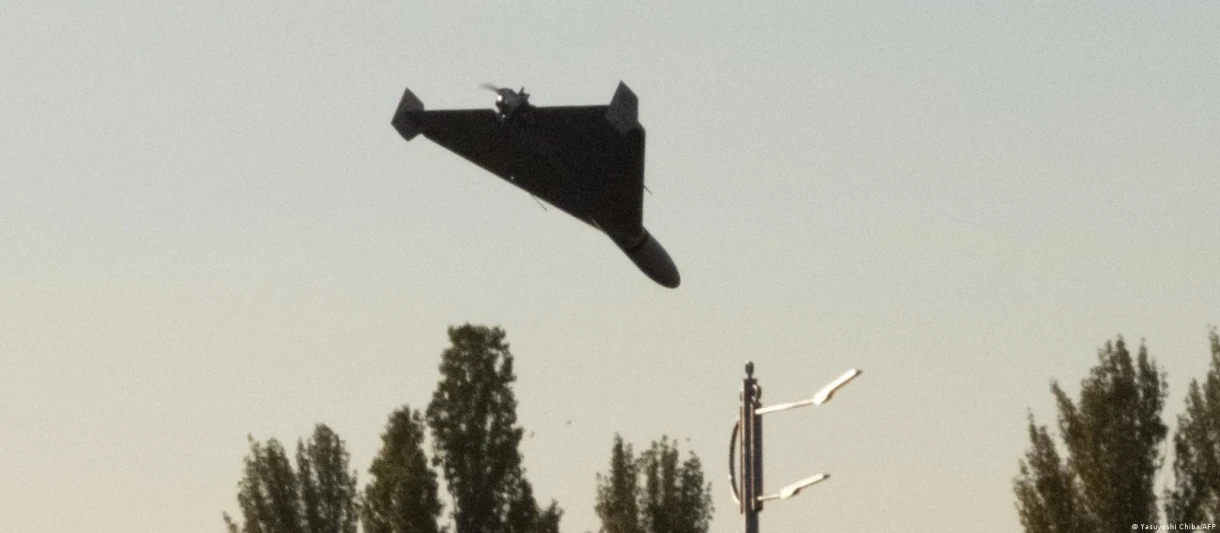
David O'Sullivan noted that there has been a percentage increase in supplies by hundreds of percent compared to the pre-war period. He emphasized that even a small volume of inexpensive components can be used for the production of drones and missiles, which is a concern for the EU.
The European Union is interested in Kyrgyzstan's financial system, which led to the inclusion of several banks and crypto-asset operations in the 19th sanctions package.
David O'Sullivan
“The sanctions affect two banks, but this does not limit their activities in Kyrgyzstan. The ban concerns transactions with European banks, which effectively isolates them from the SWIFT system,” he explained.
The Special Envoy also added that the ban on correspondent accounts is imposed based on serious evidence and in the interest of the national security of EU countries.
We respect the sovereignty of Kyrgyzstan and its historical ties with Russia. We do not demand the cessation of trade with the Russian Federation and support legal remittances from migrants.
David O'Sullivan
“We only call for trade relations not to imply intentional evasion of sanctions through the supply of dual-use goods,” he added.
David O'Sullivan emphasized that the EU does not impose sanctions against countries, but only against specific companies or banks. “Recently, sanctions were imposed against banks in China. We have established a good dialogue with Kazakhstan, where measures have been taken to prevent the transit of military goods. Our decisions are based on the analysis of trade flows, not on political choices,” he noted.
He also reported on meetings with representatives of the National Bank and the Ministry of Economy, as well as planned negotiations with the presidential administration and the cabinet of ministers.
We understand that the authorities of Kyrgyzstan have already taken certain steps and we hope for further progress.
David O'Sullivan
The Special Envoy pointed out that since 1991, the European Union has provided Kyrgyzstan with about 600 million euros in grants and more than 1 billion euros in loans, including funds for important hydropower projects.
“The European Union attaches great importance to relations with Kyrgyzstan. An agreement on enhanced partnership was signed in 2025, and bilateral trade turnover amounted to 3 billion euros,” he summarized.
Sanction Pressure: Timeline
Companies from various countries, including Kyrgyzstan, have become targets of EU and US sanctions due to suspicions of evading restrictions against Russia.
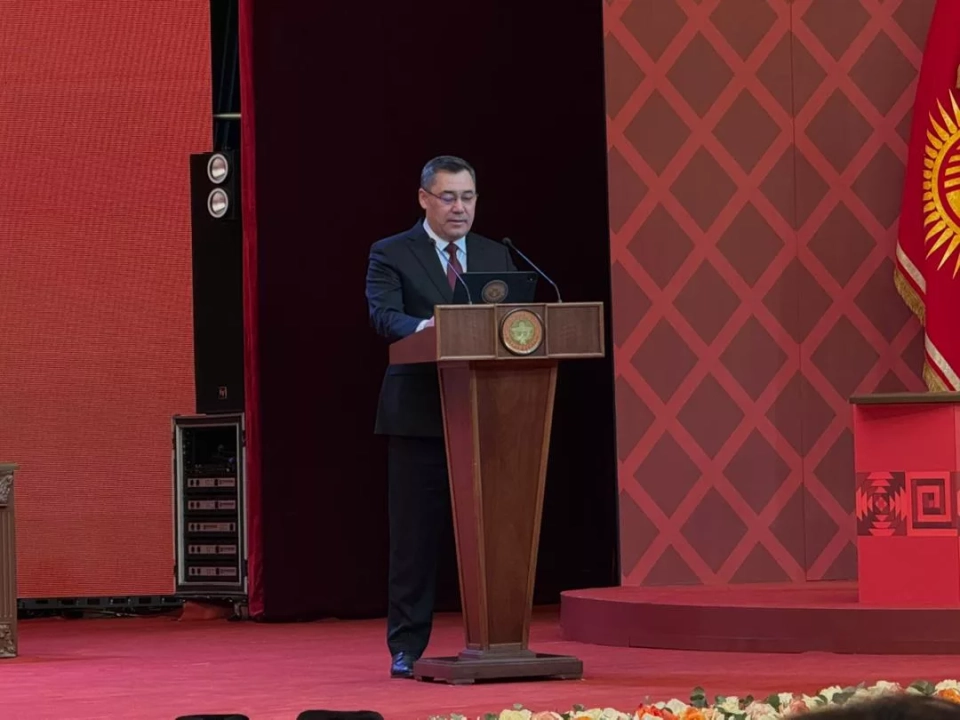
Kyrgyzstan has repeatedly expressed dissatisfaction with the sanctions against banks. President Sadyr Japarov condemned the West for imposing sanctions on the republic from the podium of the UN in 2025, calling them interference in internal affairs and pressure on the developing economy.