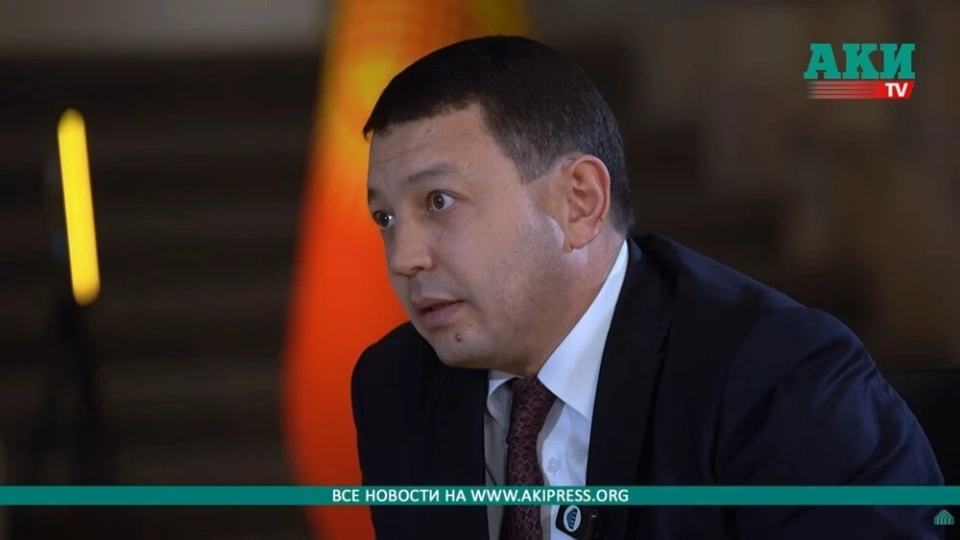
New rules regarding the issuance of budget loans have come into effect in Kyrgyzstan after the Chairman of the Cabinet of Ministers, Adylbek Kasymaliev, signed the relevant decree. The main goal of the innovations is to provide state support through budget lending, which should contribute to economic growth, modernization of infrastructure, and strengthening national security in various sectors, including energy and food.
According to the new Regulation, unified rules have been established for the provision, administration, and monitoring of budget loans allocated from the republican budget and other sources. Conditions for conducting leasing operations are also provided.
Main provisions of the new Regulation
The primary goal of budget lending is to support economic growth and infrastructure development. The decision to grant loans is made by the Cabinet of Ministers, which can allocate funds both in cash and in the form of goods and material resources.
The main conditions for lending include targeted use of funds, returnability, urgency, payment, and security. Borrowers must also confirm their creditworthiness and absence of debts to tax authorities and creditors.
Lending conditions and interest rates
Interest rates vary depending on the type of project:
- for socially significant and infrastructure projects — from 1% to 3% per annum;
- for infrastructure projects implemented by state companies — 4–5%;
- for commercial projects — from 6%;
- for projects funded from abroad — according to the terms of international agreements.
- short-term — up to 1 year;
- medium-term — up to 3 years;
- long-term — over 3 years.
Control over the use of budget loans will be carried out through banking support, which includes opening a separate account and using online reporting.
Loan administration is assigned to credit agents, whose expenses are covered by part of the interest income.
Special conditions and borrower responsibilities
Special conditions are provided for startup projects, including a mandatory own contribution of at least 30%, while the budget covers the risks. A special procedure is also established for the Deposit Protection Agency in conditions of insufficient funds.
Annual monitoring of the state of budget loans, the financial position of borrowers, and their obligations will be conducted.
Penalties are provided for overdue obligations, which can reach double the interest rate. In case of force majeure, a temporary suspension of penalty accrual may be possible.
The Cabinet of Ministers may initiate loan restructuring, including changes in terms, rates, and payment schedules with the approval of the Jogorku Kenesh.
Procedures for debt recovery are defined, including early recovery and bankruptcy, as well as the possibility of repaying the debt with property.
Hopeless debt may be written off in the case of liquidation or bankruptcy of the borrower, their death, and other grounds only by the decision of the Cabinet of Ministers and the Jogorku Kenesh.
Moreover, transparency requirements are being strengthened: information about loans will be published on official resources and in the media.