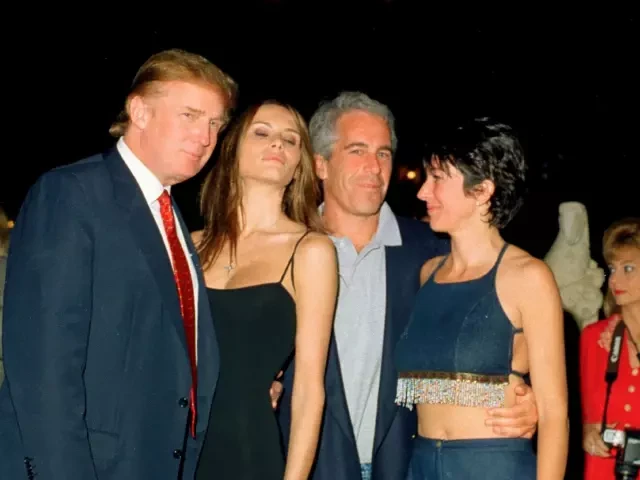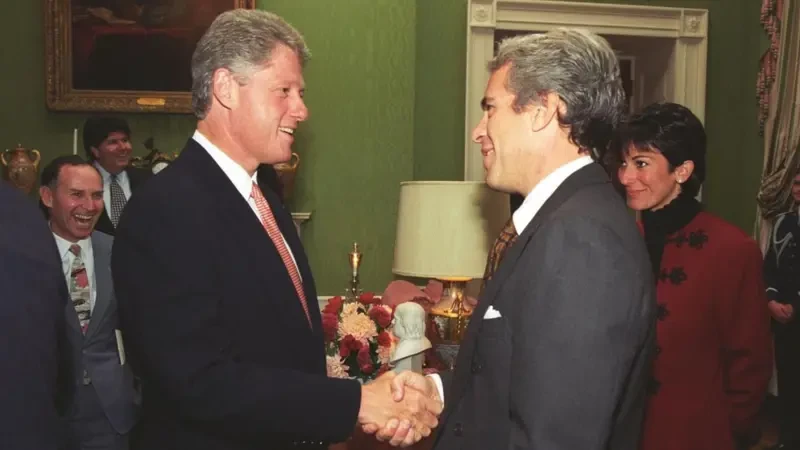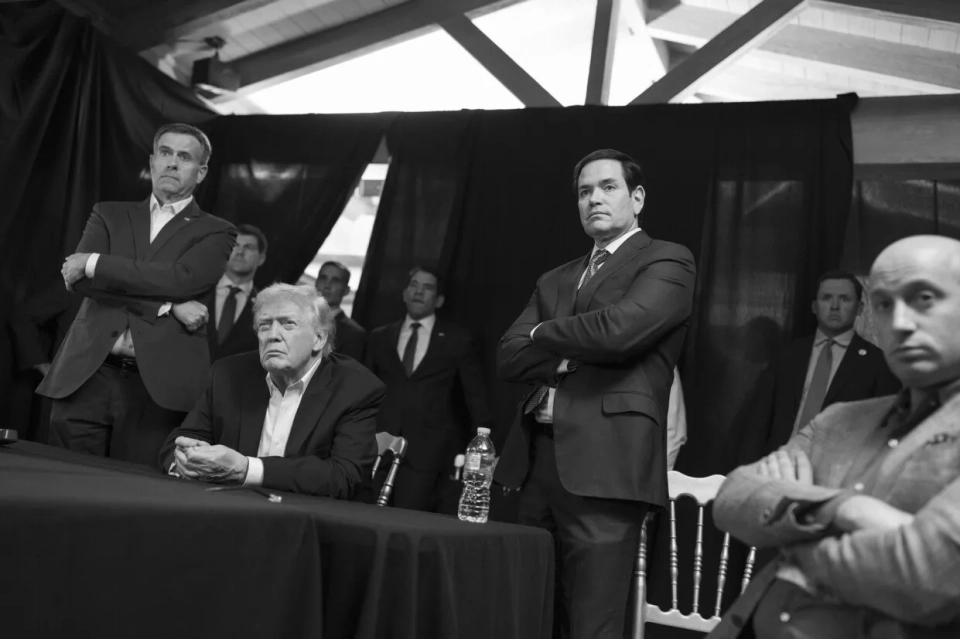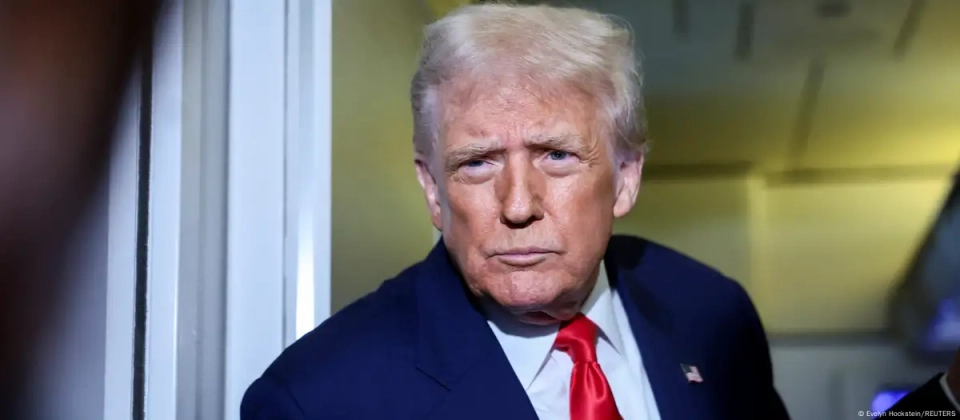
Among the released materials are several allegations against Trump, Epstein, and other high-profile individuals that appear to be based on unverified information. In response to requests for comments from the White House and the Department of Justice, they referred to a press release issued alongside the new documents.
“Some materials contain false and sensational statements about President Trump, which were submitted to the FBI shortly before the 2020 election,” the U.S. Department of Justice reported. “These allegations are completely unfounded and false, and if there were even a shred of truth to them, they would have already been used against President Trump.”
Among the new data provided by the Department of Justice are materials related to sexual misconduct involving a 13-year-old victim, where Trump's name is mentioned, according to an FBI report.
There are also emails related to Elon Musk, who is also mentioned in Epstein's documents. In one email from 2013, Musk inquired about the possibility of visiting Epstein's island, suggesting that they communicated on this topic.
Musk claims that Epstein invited him to the island, but he declined. The correspondence discusses various details of trips and parties, but there is no evidence that Musk actually visited Epstein's island.
The U.S. Department of Justice has imposed age restrictions for access to the Epstein case archive after pornographic content was discovered in previously released materials. The department's website now requires user age verification for those wishing to access the archive.
Last week, three million pages, 180,000 images, and 2,000 videos were released, marking the largest volume of materials presented by the government since the enactment of the law mandating publication.
Todd Blanche, Deputy Attorney General, stated that the published documents are the result of careful work aimed at identifying and verifying information to ensure transparency for citizens. However, Democrats express concern that the department is withholding too many documents, possibly around 2.5 million.
Congressman Ro Khanna, working on the Epstein Transparency Act, states that it is necessary to clarify why some documents remain unavailable.
While the publication of new materials continues, it remains unclear whether this story has concluded. Blanche noted that the files do not contain the names of individuals who committed violence, and that if the department had such data, they would be held accountable.
“Unfortunately, I don’t think the public will be able to find the names of those who committed violence in the Epstein cases,” Blanche added.