Durov also emphasized:
Russia is restricting access to Telegram in an attempt to force its citizens to switch to a state-controlled application designed for surveillance and political censorship.
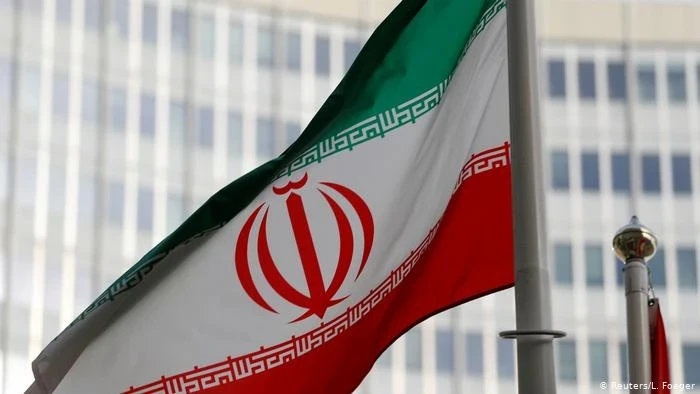
Eight years ago, Iran tried the same strategy but failed. It banned Telegram under fabricated pretenses, trying to push people towards a state alternative.
Despite the bans, most Iranians continue to use Telegram, circumventing censorship, and prefer it over applications that are subject to surveillance.
Restricting citizens' rights is never a justified solution. Telegram stands for freedom of speech and privacy, regardless of the pressure.
Eight years ago, Iran tried the same strategy but failed. It banned Telegram under fabricated pretenses, trying to push people towards a state alternative.
Despite the bans, most Iranians continue to use Telegram, circumventing censorship, and prefer it over applications that are subject to surveillance.
Restricting citizens' rights is never a justified solution. Telegram stands for freedom of speech and privacy, regardless of the pressure.
On February 10, Russian authorities began imposing restrictions on access to Telegram, which is one of the most popular messaging apps in the country. Roskomnadzor, the regulatory body in the field of communications, announced a gradual implementation of restrictions without disclosing details, aiming to ensure compliance with Russian legislation and protect citizens. In recent days, users in many regions of Russia have reported serious disruptions to the service.
In August 2025, Roskomnadzor imposed restrictions on voice and video calls in Telegram and WhatsApp, claiming that these platforms are used for fraudulent activities and crimes. In October, "partial restrictions" were applied to both messaging apps, and in December, the dissemination of media files in WhatsApp began to slow down. A complete block affected several other messaging apps, including Signal in August 2024 and Viber in December 2024. In 2018, Telegram was temporarily blocked by court order based on the assumption that the parent company refused to provide security agencies with encryption keys.
Recently, Russian authorities have been actively promoting the domestic messaging app MAX.