The agency also emphasized that it will continue to implement sequential measures to ensure "compliance with Russian legislation and the protection of citizens' rights."
RBC previously reported on the partial restriction of Telegram's operations, which began on February 10. According to sources, the number of reports of malfunctions in the messenger since February 9 has increased to more than 11,000, according to data from the Downdetector service.
Since the beginning of 2026, the Tagansky District Court in Moscow has registered seven administrative protocols against Telegram for refusing to remove prohibited content, TASS reported, citing the court's press service. The protocols concern articles related to the owner's refusal to delete materials calling for "extremist" activities, as well as pornographic images. Sotavision mentions eight protocols, the consideration of which will start on February 11.
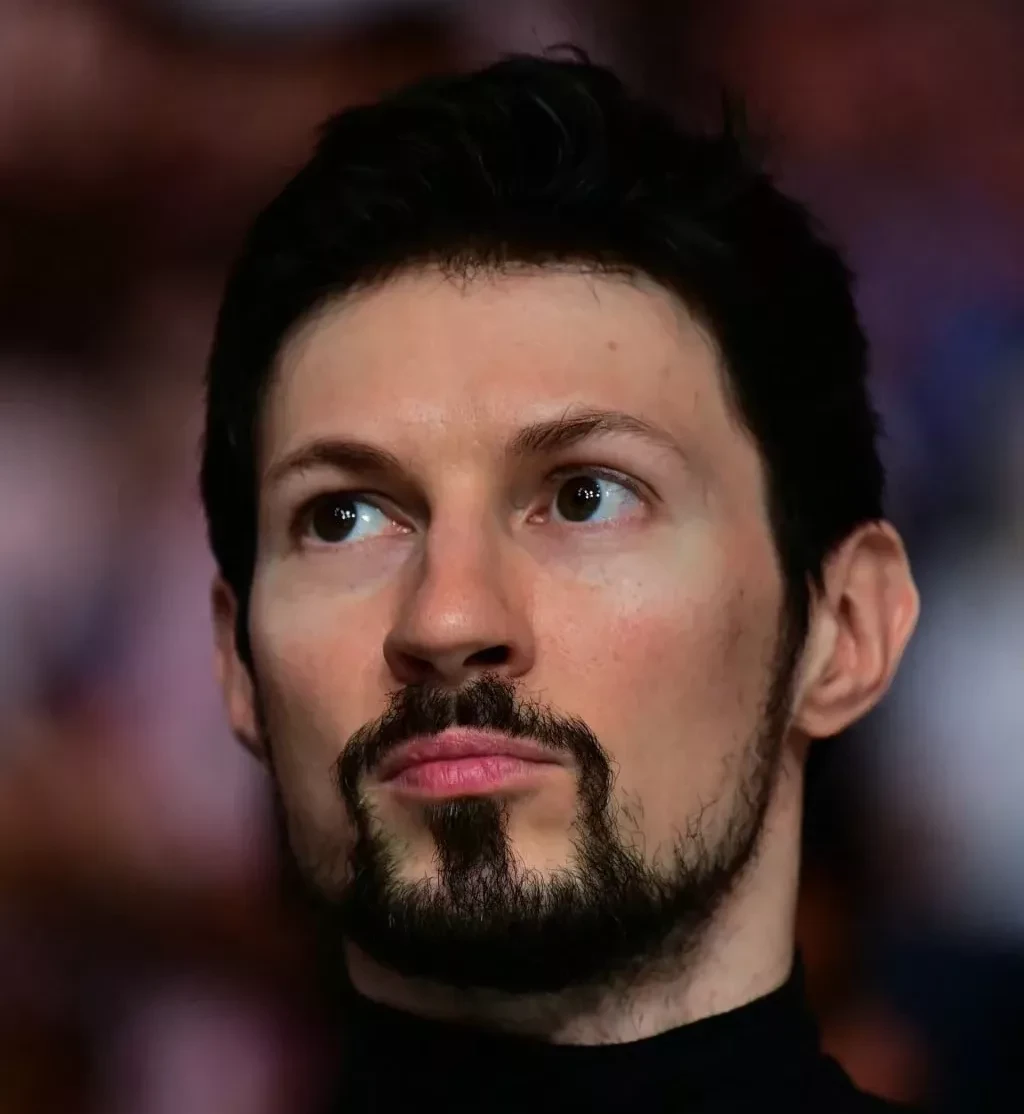
Telegram founder Pavel Durov characterized the slowdown of the messenger's operations in Russia as "a restriction of citizens' freedom." He pointed out that Russian citizens are beginning to have their access to Telegram limited in order to push them towards a government application intended for surveillance and political censorship.
"It is never right to restrict citizens' freedom. Telegram supports freedom of speech and privacy protection, despite the pressure," Durov wrote.
In his post, he cited the example of Iran, where authorities attempted to restrict Telegram eight years ago under the pretext that Iranians should switch to a state alternative. Nevertheless, citizens continue to use the messenger and "bypass censorship," Durov claims.
Since August 2025, voice calls via WhatsApp and Telegram have been blocked in Russia. Roskomnadzor explains these measures by stating that messengers are used by terrorists and fraudsters. In October, the agency reported the beginning of partial restrictions on Telegram and WhatsApp in order to combat fraud.