According to Iranian human rights defenders, the country's authorities intend to completely disconnect from the global internet, providing access only to those who have passed regime verification, as reported by The Guardian.
In a report by the organization Filterwatch, which monitors internet censorship in Iran, it is stated that a secret plan is being developed that will make international internet access a "state privilege."
According to information provided by government representatives and state media, the decision made is permanent, and unrestricted access to the internet will not be restored after 2026.
As Amir Rashidi, head of Filterwatch, explained, only those Iranians who have access to secret information or have passed the appropriate verification will be able to use a filtered version of the internet. Other citizens will only have access to an internal network, isolated from the outside world.
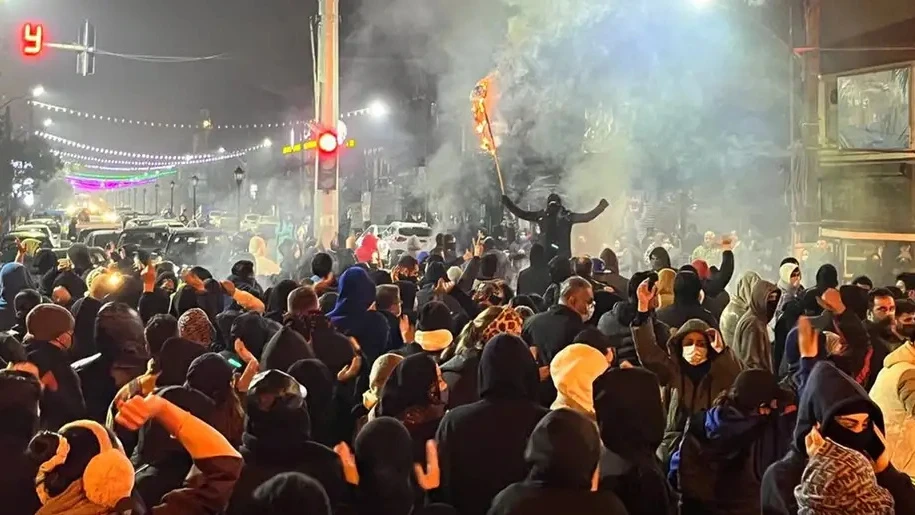
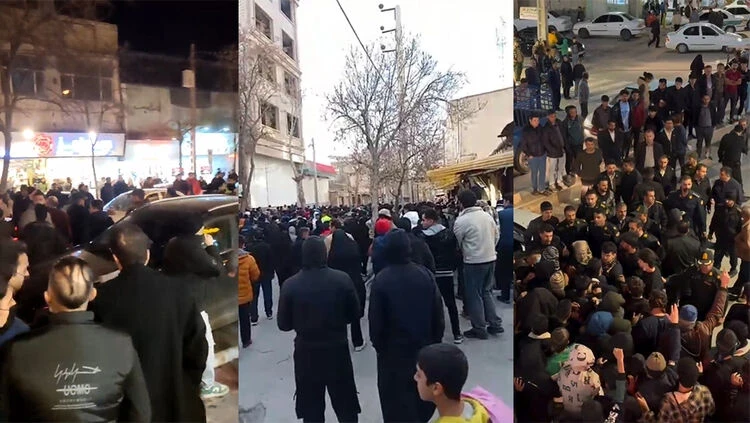
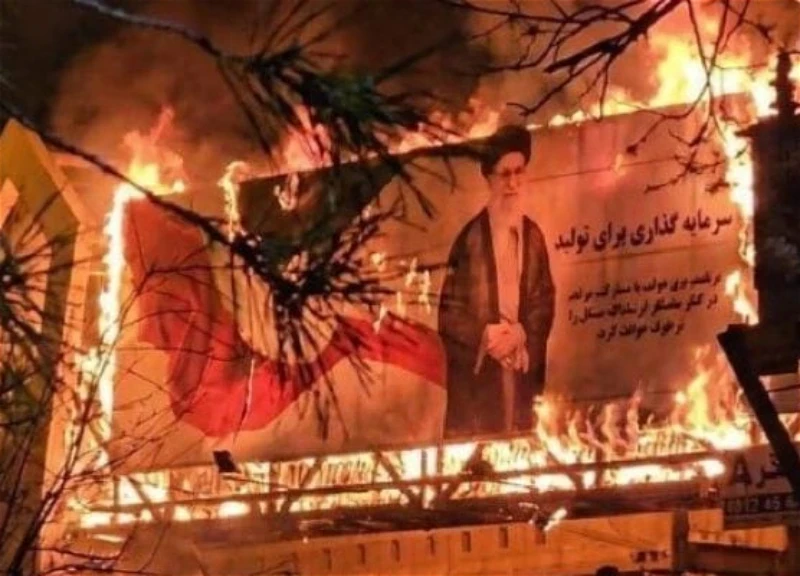
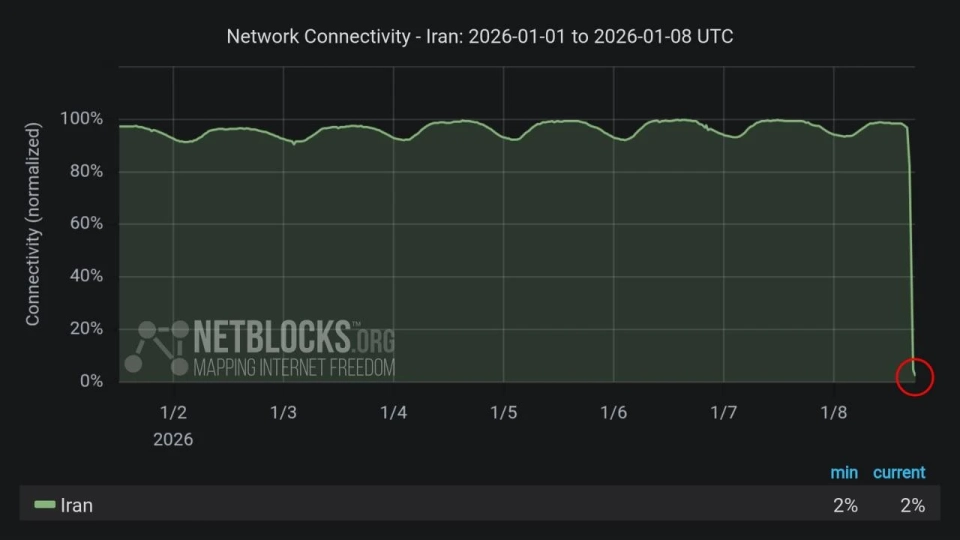
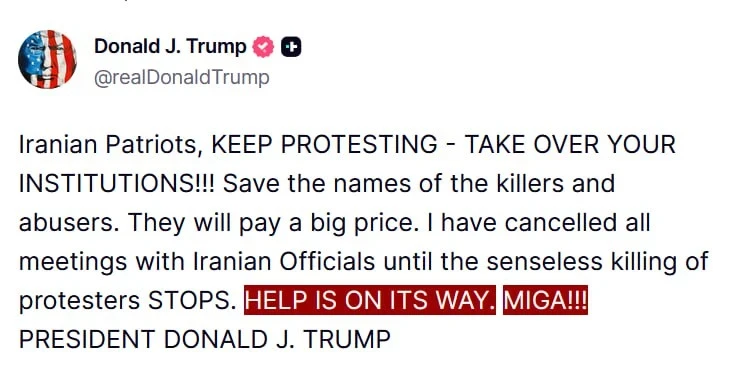
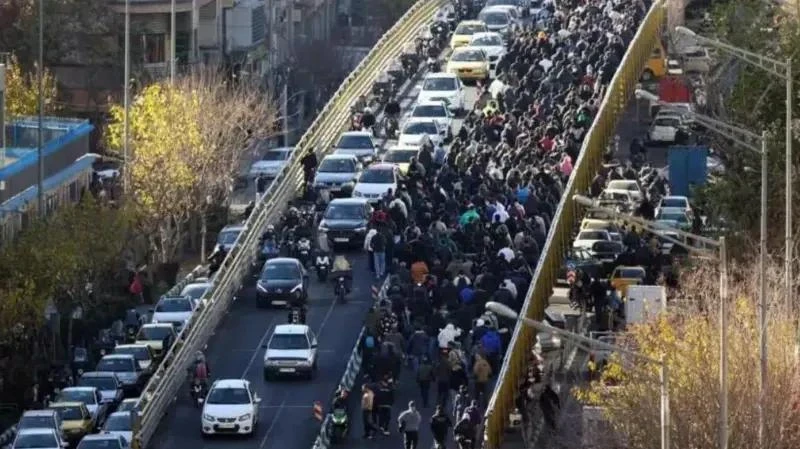
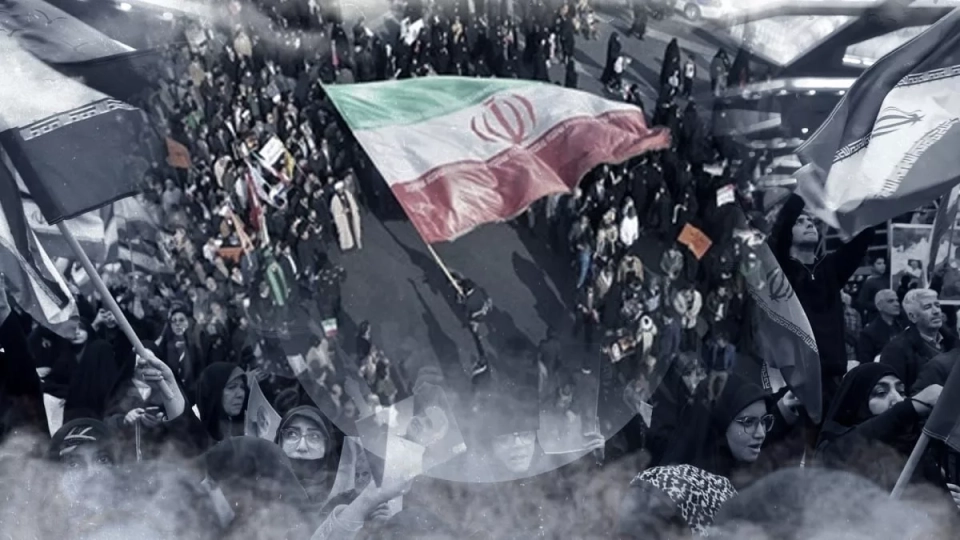
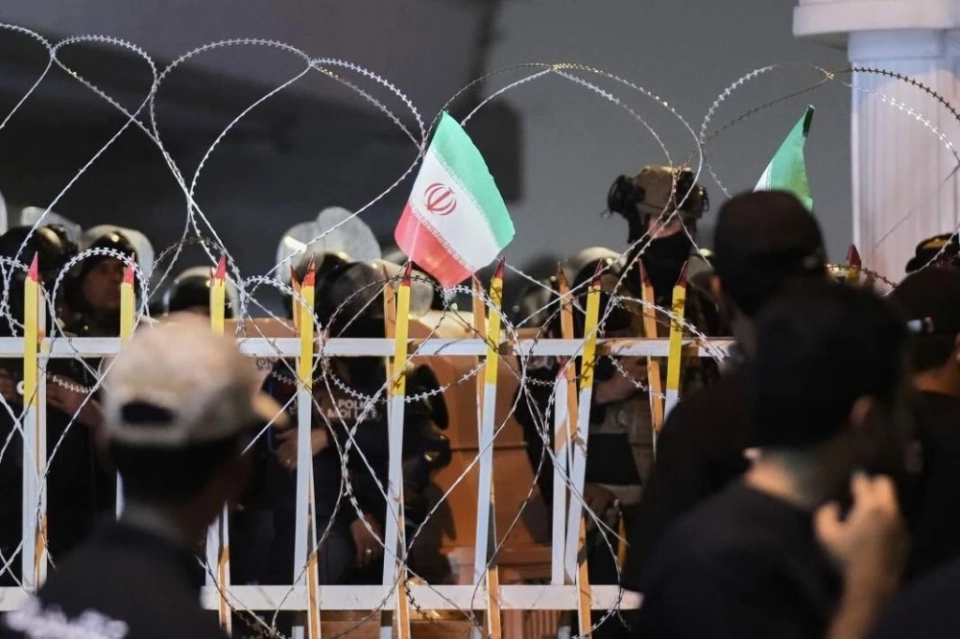
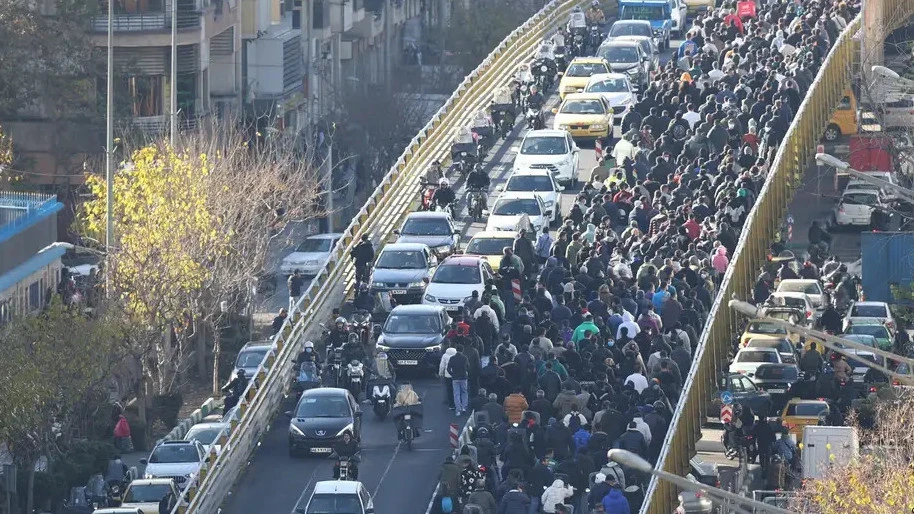
The internet situation in Iran has worsened since the shutdown began on January 8, which continued amid large-scale anti-government protests. Thousands of people have died as a result of the repression, which seems to have halted protest sentiments.
This internet shutdown is one of the largest in history and is prolonged, surpassing the shutdown in Egypt during the protests in Tahrir Square in 2011. Reports indicate that government sources have stated that international internet access will remain unavailable at least until Nowruz, which is celebrated on March 20.
A former U.S. State Department official specializing in internet censorship noted that Iran's intention to completely disconnect from the global network seems "plausible and frightening," but also financially burdensome.
"While this may be feasible, it is important to understand that the economic and cultural consequences could be enormous, and the authorities may be overestimating their capabilities," he added.
Rashidi also noted that the authorities seem satisfied with the current state of internet connectivity and believe that the shutdown has helped them regain control of the situation.
The current internet shutdown is the result of 16 years of efforts to strengthen regime control over the internet in the country. One of the directions of this control has been the traffic filtering system, which allows a limited number of people to access the global internet, while other users are cut off — this practice is called "whitelisting."
According to researchers from Project Ainita and Outline Foundation, the creation of this system may have been made possible by technologies supplied by China. They note that high-performance intermediary devices allow the authorities to control internet traffic and spy on users, blocking access to certain websites and VPNs.
"In fact, censorship equipment is installed in every network, allowing the government to block connections in both directions," they added.
There is also a national internet network available only within Iran, which provides access to a number of websites and applications developed by the regime. These include Iranian messengers, search engines, navigation applications, and streaming video services similar to Netflix. This network is strictly controlled and has no connection to the global internet.
Iran began working on creating its national internet network in 2009, after the authorities shut down the internet during mass protests triggered by Mahmoud Ahmadinejad's reelection, realizing that a complete shutdown would lead to enormous losses.
"At that moment, they shut down the internet without proper discussion. They had never done this before," noted researchers from Outline Foundation and Project Ainita. "This effectively paralyzed the internet and caused serious damage to many systems on their side."
By 2012, the Supreme Council of Cyberspace was established, which began developing plans for creating a fragmented internal network. Over time, the authorities improved their shutdown methods, blocking services such as Facebook, Twitter, and Google during the 2012 protests, while keeping other economically important services operational.
According to researchers, over the next ten years, Iranian authorities employed a "carrot and stick" approach, encouraging online companies, banks, and internet providers to relocate their infrastructure inside the country. The authorities offered tax incentives to those who agreed and banned operations for those who refused.
In 2015, a group of researchers used bitcoins to purchase server space in Iran and began researching the country's IP addresses.
They made a surprising discovery: Iran is creating an internal internet network, completely isolated from the outside world, using the same protocols as for connecting corporate or home networks.
"It's similar to office networks, where you have file servers, and if you're outside the office, you can't access them because they're on a closed network. It's impossible to establish an external route," explained one of the researchers.
Iran has managed to create such a network. It has functioned during all protests and is now the primary method of internet access for most Iranians. Although it is likely to evolve, access to it remains closed to external users.
A former U.S. State Department official noted that Iran's capabilities in internet control, demonstrated in recent days, significantly exceed those of some other authoritarian regimes seeking similar measures.
However, it remains to be seen whether Iran can create a new stable online reality. "The digital rights advocacy community rightly expresses concern. However, the consequences of this will be serious for the Iranian authorities, who will bear responsibility for the damage caused to the economy," he concluded.