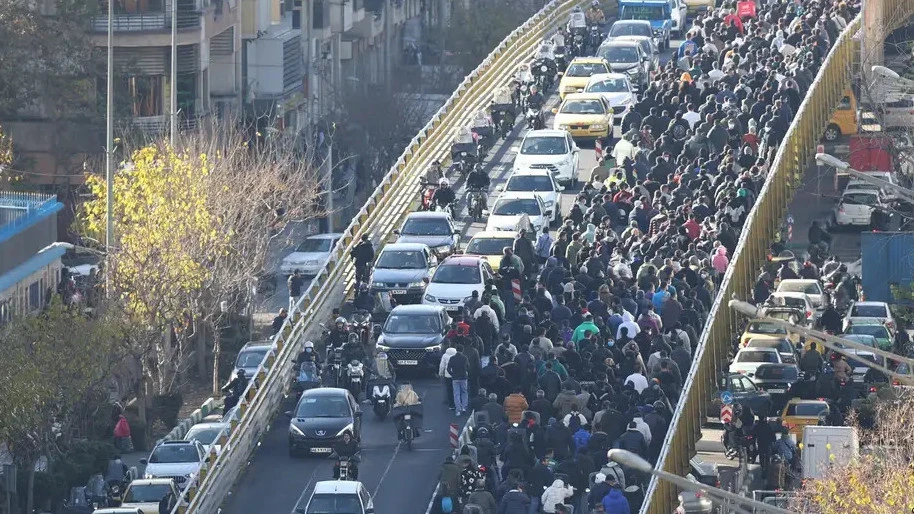
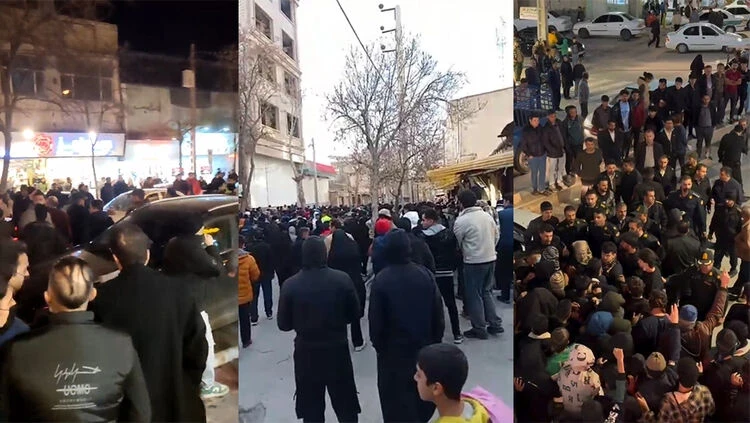
The document emphasizes that peaceful gatherings in Iran have a legal status and there are legal mechanisms in place for expressing demands and protests.
Furthermore, the embassy categorizes the events that occurred into four key stages.
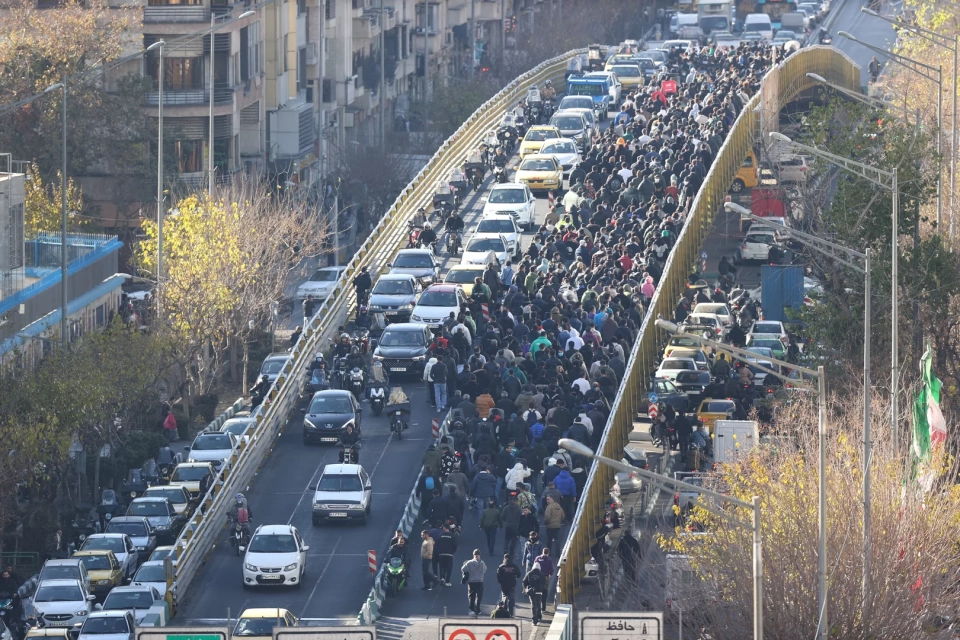
The first stage, which lasted from December 28 to 31, was characterized by peaceful actions organized in markets and among trade unions.
During this period, the government initiated a dialogue with representatives of trade unions and entrepreneurs, listening to their requests, as a result of which some were included in the agenda, and protests gave way to negotiations, the press release states.
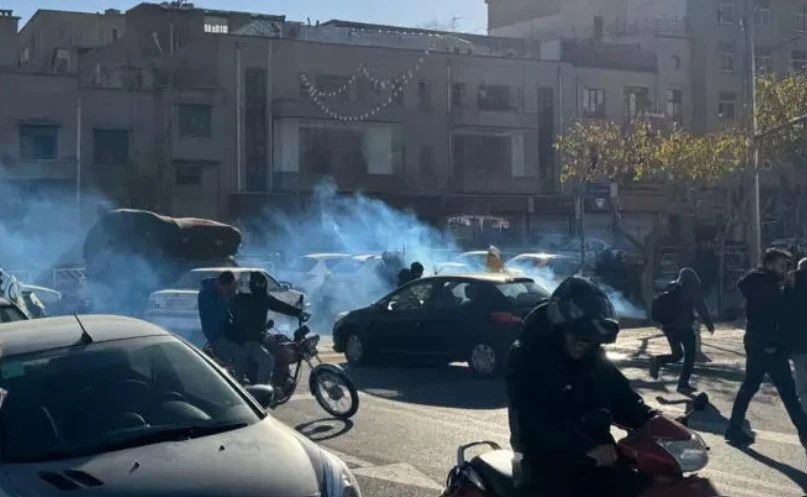
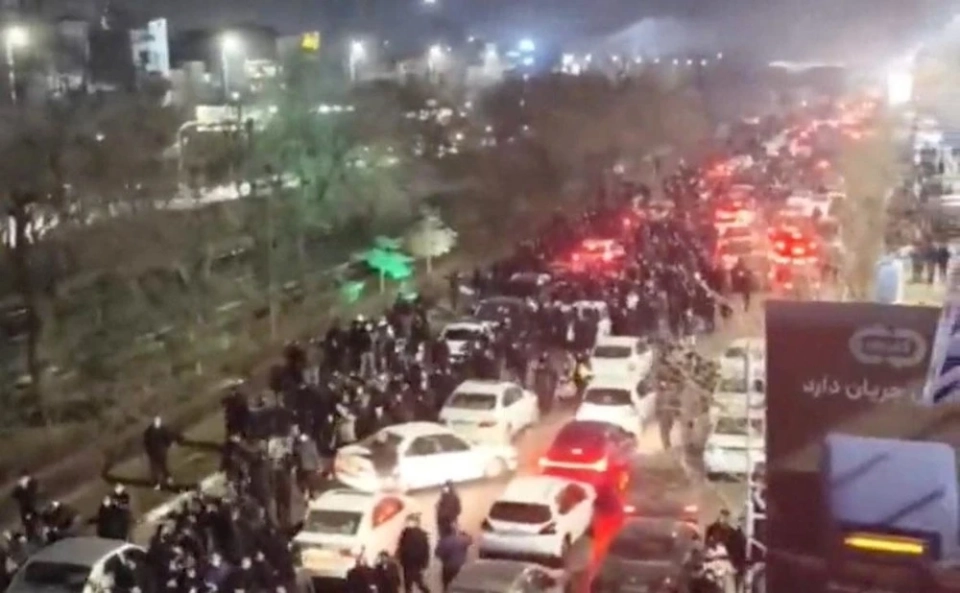
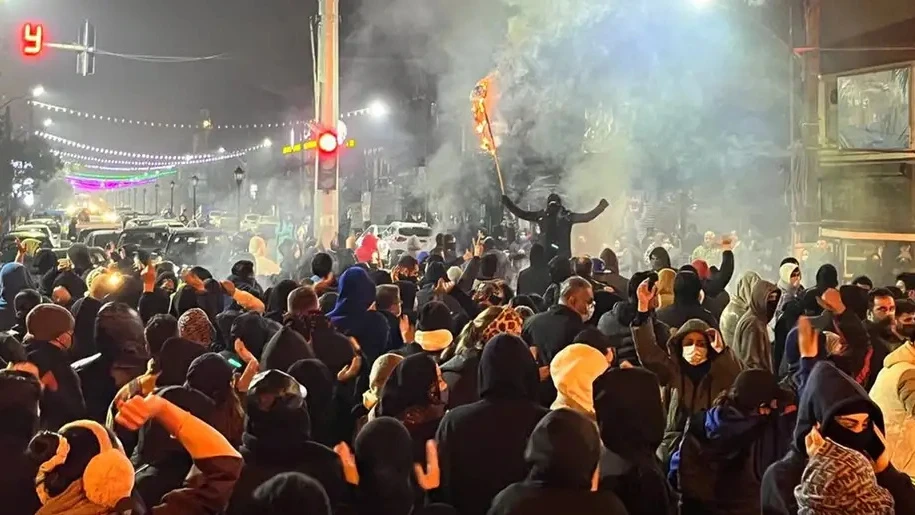
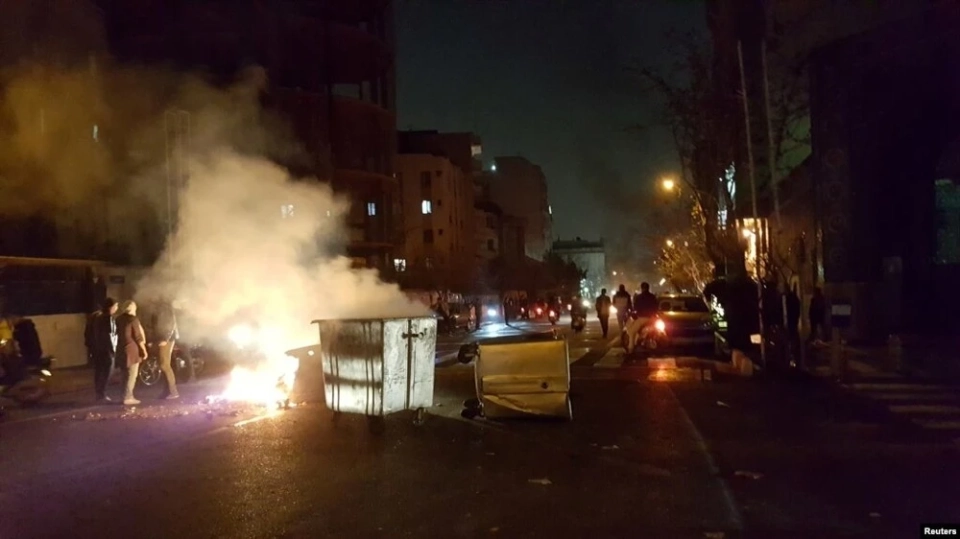
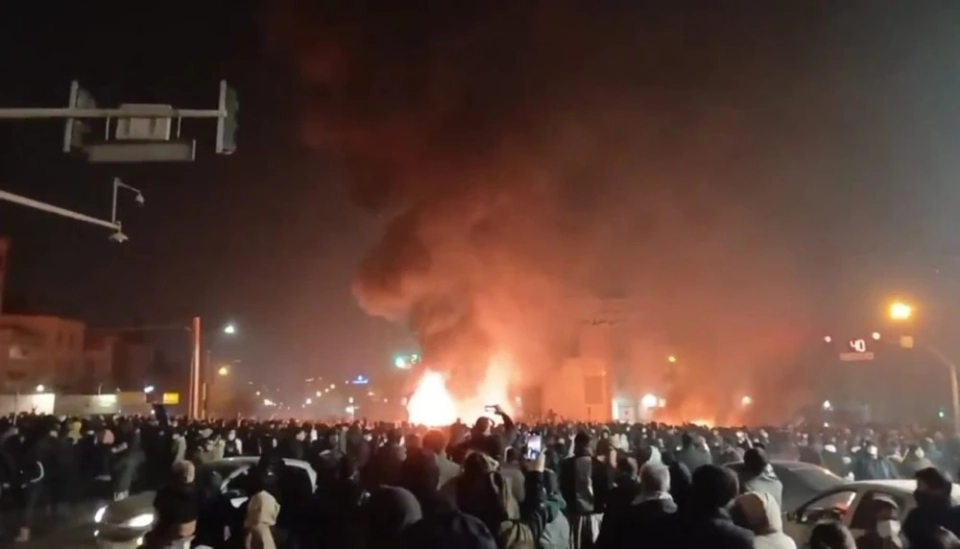
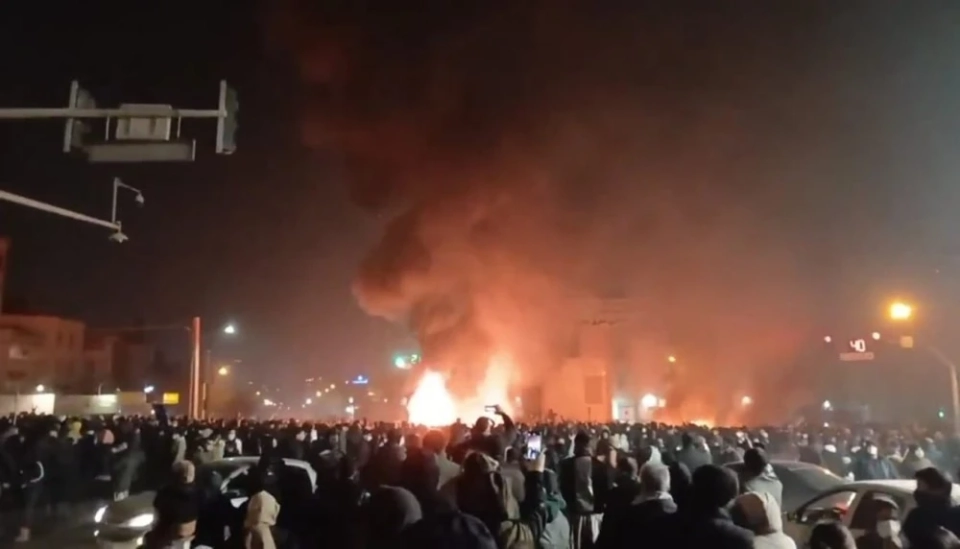
In the second stage, covering the period from January 1 to 7, the protests escalated, with new participants joining, leading to violence.
From January 8 to 10, the embassy reports that armed terrorists infiltrated the ranks of the protesters, opening fire on police and peaceful citizens.
From January 10, according to the embassy, the situation was brought under control.
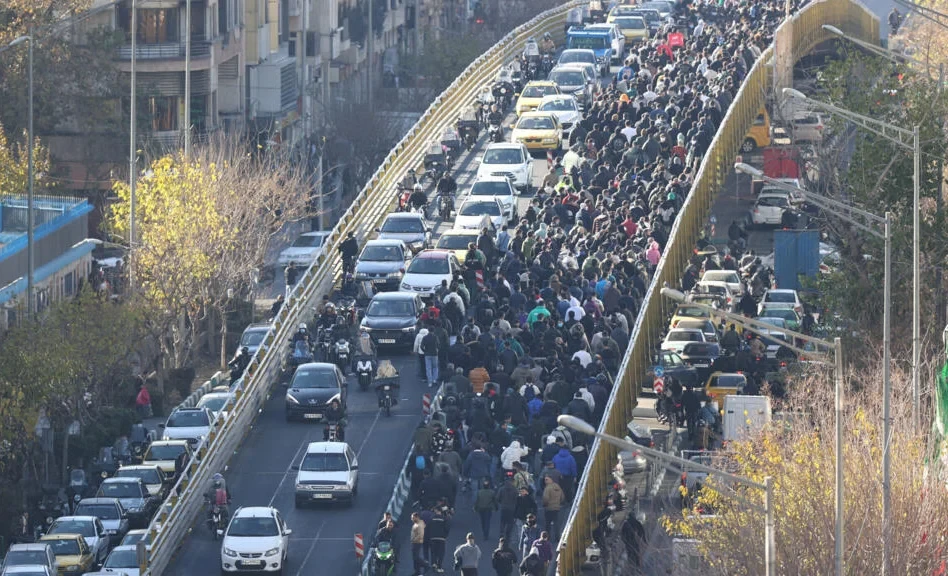
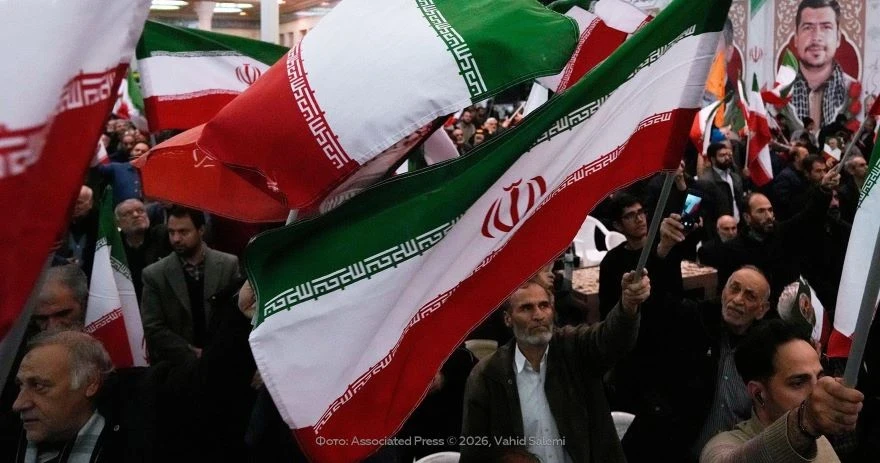
The press release also notes that one of the reasons for the unrest is foreign interference, against which peaceful protests were held on January 12.
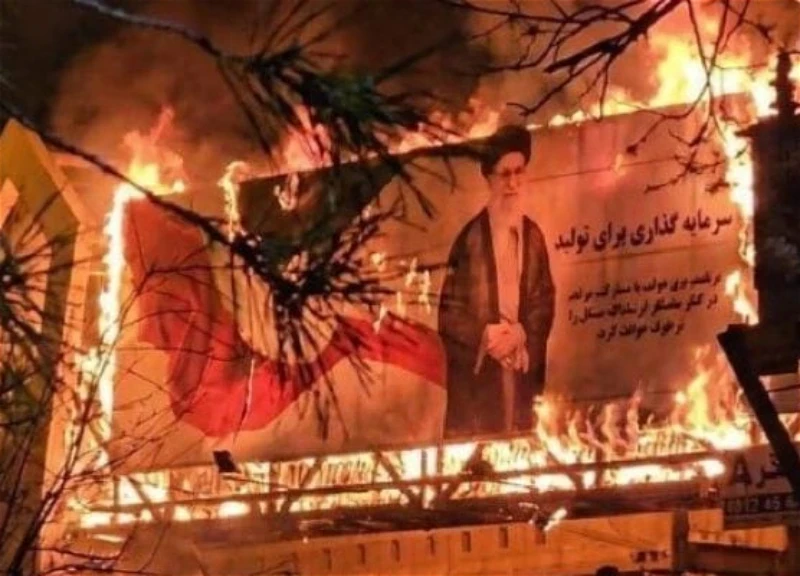
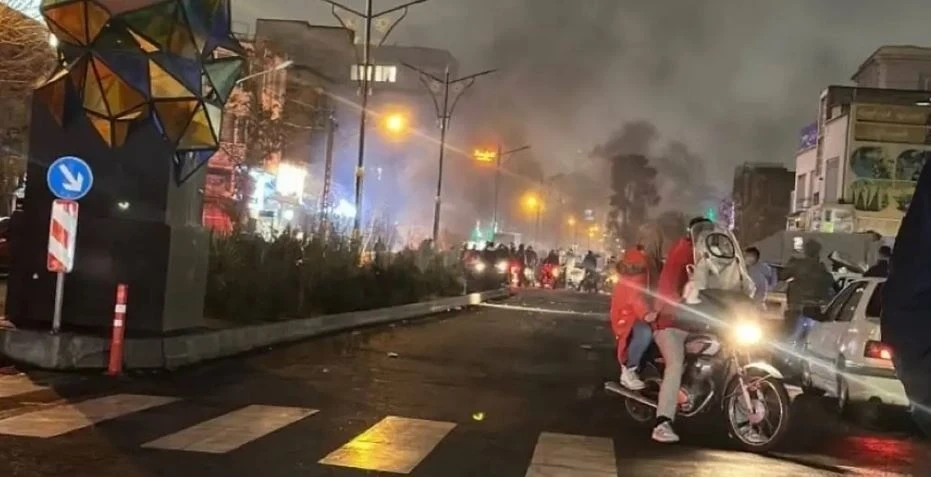
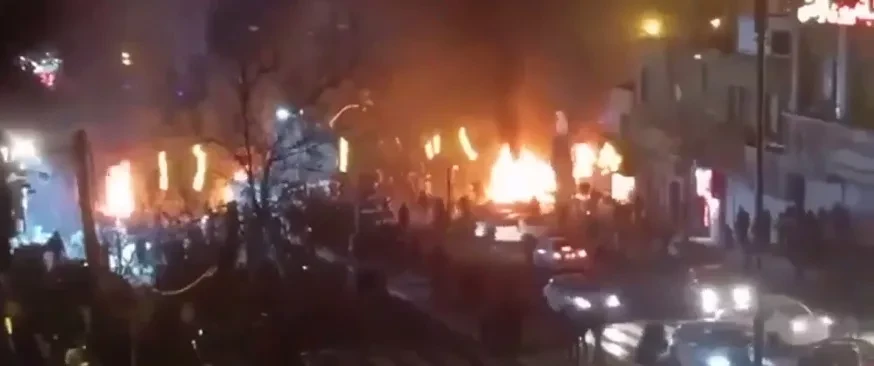
The embassy also reported extensive destruction, including:
- the arson of nearly 200 shops in various cities;
- attacks on 53 fire trucks, 8 of which were completely disabled, as well as the arson of 180 ambulances;
- destruction of 26 banks in the capital;
- destruction of 25 mosques in the capital;
- damage to 53 mosques across the country;
- attacks on government buildings, police stations, and state property, with armed terrorists having seized more than 1300 units of weapons.